The PixelForce app design process is seven steps in the same order every time: preliminaries, two strategic workshops, the Business Requirements Document and replay, UX/UI design in Figma, the Product Requirements Document, then the Statement of Work.
Seven steps, in the same order every time.
1. Preliminaries. You complete the Blueprint Preliminaries covering business objectives, target users, success metrics, design preferences and success sliders - eighteen points distributed across six levers, so we know whether speed, budget or scope is the one that cannot move.
2. Strategic workshop one. Business requirements. What the product must achieve commercially, who it is for, and what problem it removes.
3. Strategic workshop two. Product requirements, design direction and the scope of version one. Priorities locked, trade-offs agreed on the record.
4. Business Requirements Document and replay. We write it up and replay it to you with three options under the 1-3-1 method - one problem, three options with their consequences, one recommendation across budget, timeline and scope.
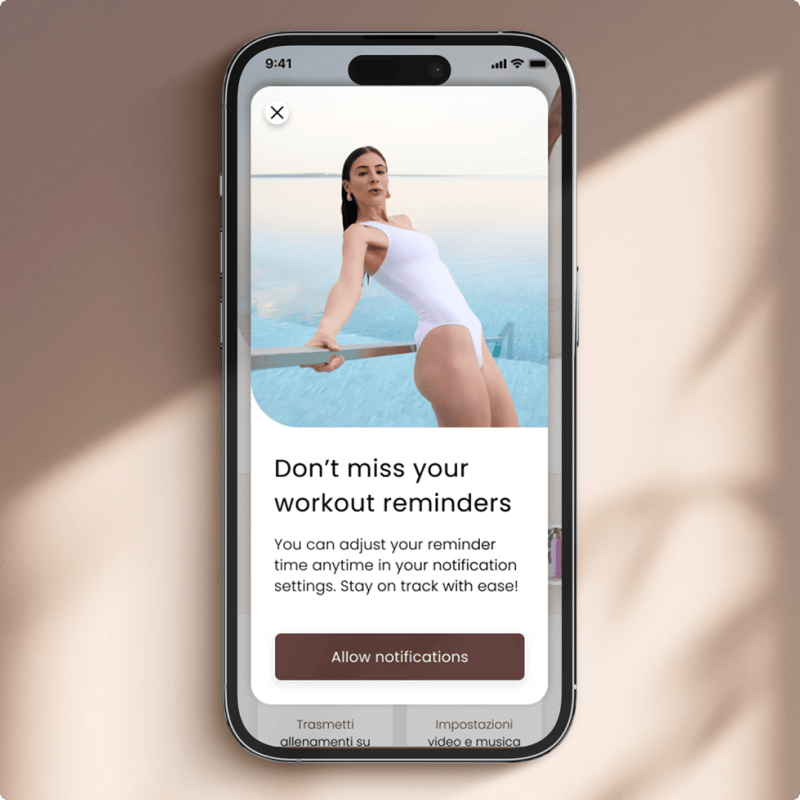
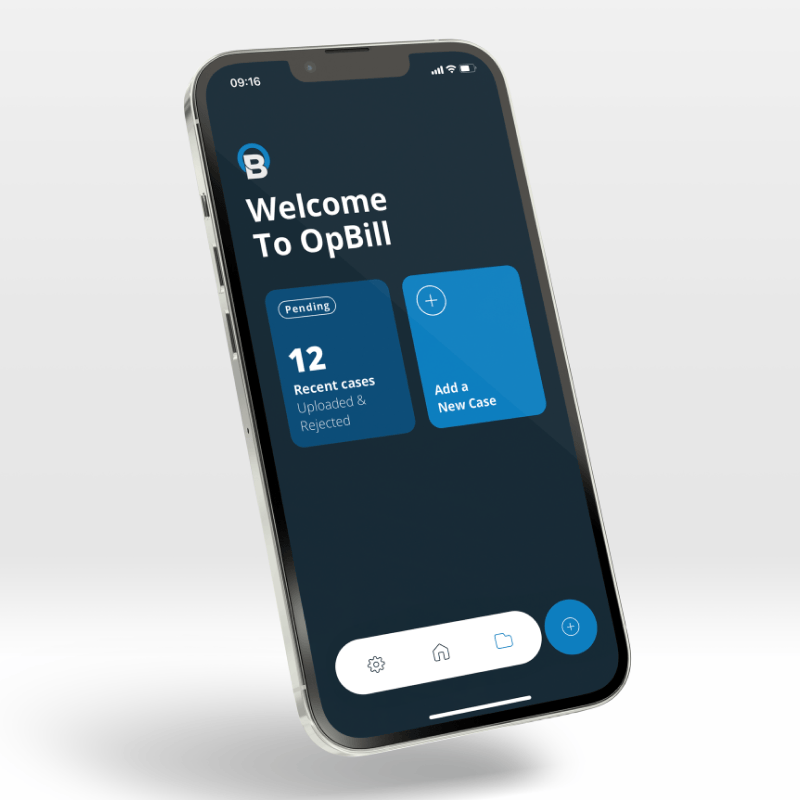
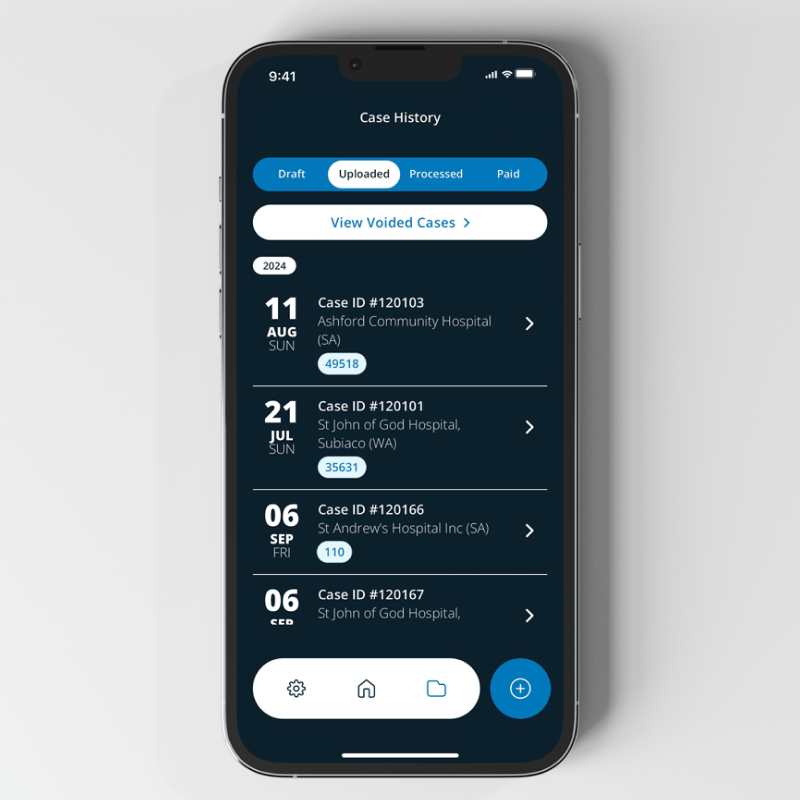
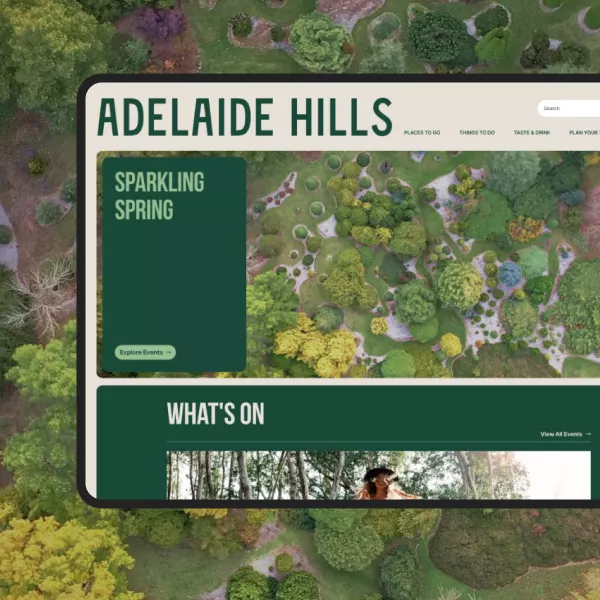
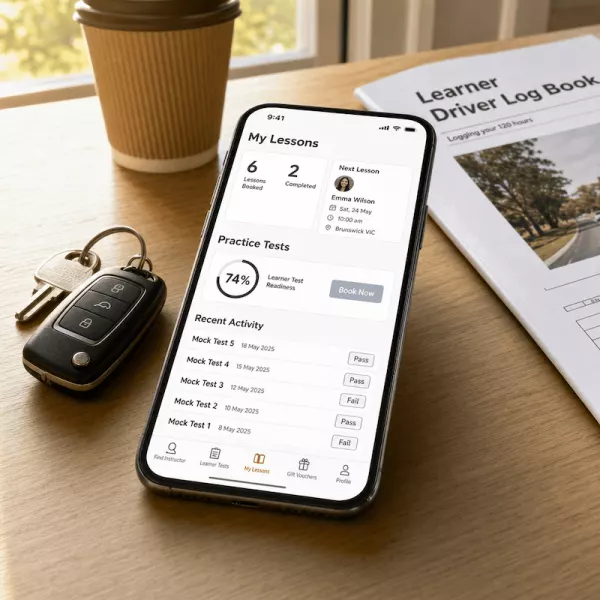
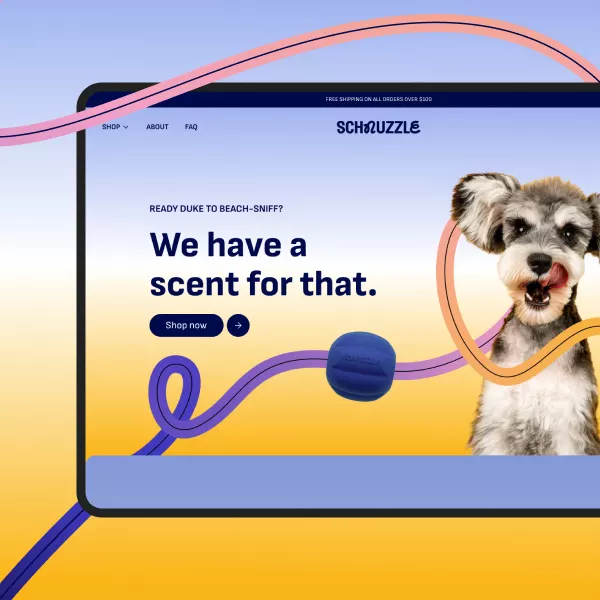
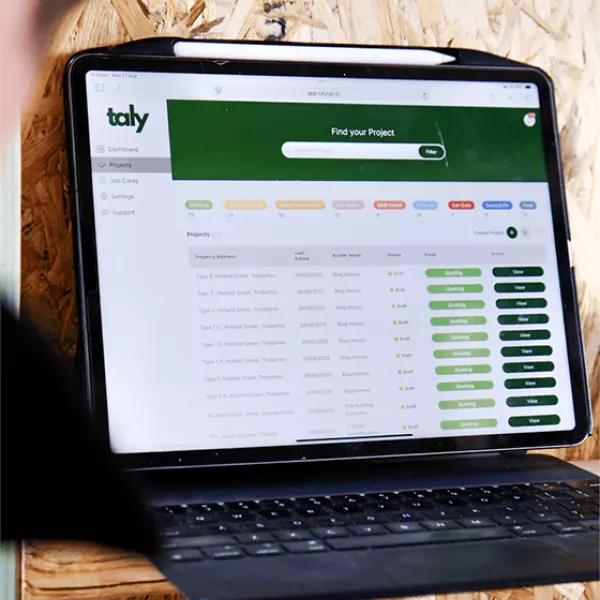
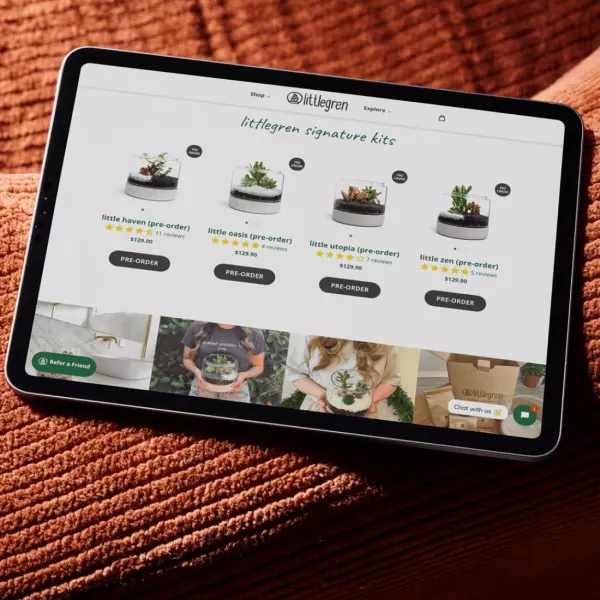
5. UX/UI design in Figma. The design system first, then high-fidelity designs for every consumer screen and the key admin portal screens, with the full user journey mapped end to end.
6. Product Requirements Document. The technical blueprint - feature logic, integrations, technology choices, and everything that cannot be captured visually - reviewed and approved by an Engineering Manager.
7. Statement of Work and final review. A fixed-cost, fixed-scope development contract with schedule, milestones and deliverables, plus stakeholder review and approval.
The whole process is run by the same 100% in-house Adelaide team that would build the product, which is why the designs are development-ready rather than aspirational.