




Custom app development company behind $1.5B+ in client revenue.

PixelForce is an Australian custom app development company. We design and build bespoke iOS, Android and web products for founders, operators and enterprise teams - scoped properly before a line of code is written, built by our own in-house team in Adelaide, and supported after launch. 100+ products shipped since 2013.

  • $1.5B+ client revenue across 100+ products shipped

  • 100% in-house development · Adelaide HQ

  • AWS Advanced Tier Partner · 15+ accredited engineers

  • 98% first-time app store approval · 99.99% uptime

$1.5B+Client revenue facilitated
100+Products shipped since 2013
50M+Users served
98.2%Client satisfaction rate

Three bespoke platforms that could not have been bought.

The plainest test of whether you need a custom app development company is whether the thing you are describing exists on a pricing page somewhere. None of the three below did. SWEAT was built and scaled from launch to a $400M acquisition by iFIT, reaching 30 million users across 155 countries, and the platform passed Big 4 due diligence at exit. EzLicence is a two-sided driving-lesson marketplace with its own instructor supply model, booking economics and canonical double-entry credit ledger, now processing $100M+ in annual bookings across 250,000+ lesson hours a year. Fitstop runs a member app and a franchisee operations portal across 100+ gyms and 50,000+ active members, and lifted user retention by more than 10 percent. Three completely different commercial models, one common feature: the software encodes the way that specific business works, which is exactly the thing an off-the-shelf platform cannot do and the reason bespoke app development gets commissioned at all. If you want the wider view of how we work across every service line, our app development company overview covers it, and app developers in Australia covers where and how we deliver nationally.

A marketplace no platform sold: $100M+ a year.

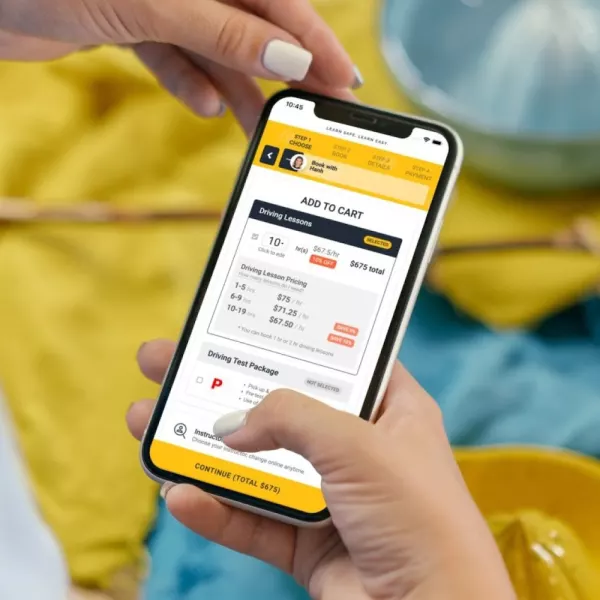
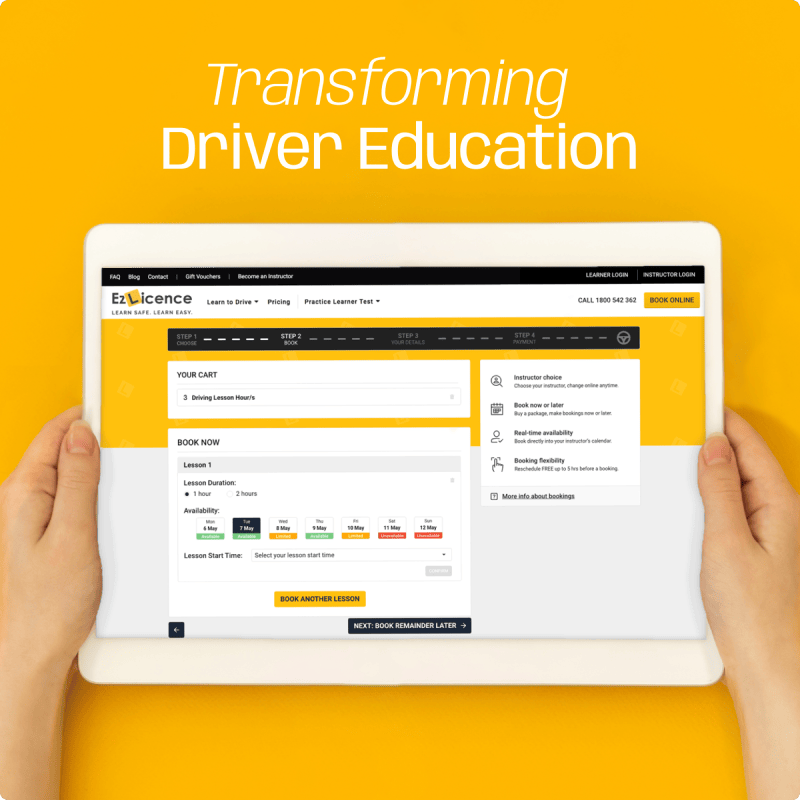
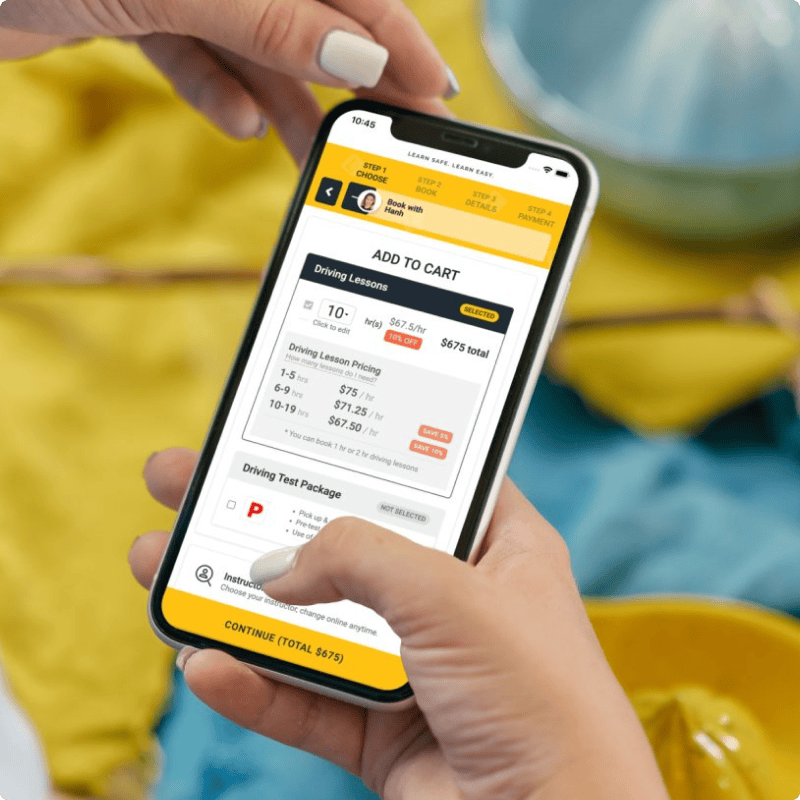
EzLicence processes $100M+ in annual bookings and 250,000+ lesson hours a year on the platform we built and still operate. Nothing about it came out of a box. Learner drivers and independent instructors have to be matched against licence class, location, transmission type and availability; instructors set their own supply; money moves between three parties across bookings, cancellations and credits. When the financial reports would not balance, the answer was not a plugin - we replaced report-time reconstruction across a dozen unrelated tables with a canonical double-entry credit ledger covering 18 event types, with real-time capture and idempotent reprocessing. Every liability report now draws from one reconcilable source, the finance discrepancy complaints stopped, and outstanding credit is aged into time buckets and categorised by source so the business can make cash-flow decisions from it. That is what custom app development is for. A generic booking platform would have handled the calendar and quietly broken on the economics, which is the part that actually is the business.

EzLicence driving lesson booking screen EzLicence instructor availability and booking management screen
Built by PixelForce $100M+ annual bookings · 250,000+ lesson hours a year

Recognition you can verify independently.

Independent recognition for the team behind SWEAT, EzLicence, Fitstop, OpBill and SuspectED - Apple Best of Developers, Apple Watch and TV App of the Year, and Top Clutch App Development, Android App Development and iPhone App Development Company in Australia for 2026. This matters more than it looks when you are choosing between mobile app development companies, because most of what an agency says about itself cannot be checked and this can. PixelForce has won more than 30 global awards, ranks number 1 on Clutch.co, and is an AWS Advanced Tier Partner with 15+ AWS-accredited engineers. Across 100+ shipped products we hold a 99.99 percent uptime rate and a 98 percent first-time app store approval rate, and we have served 50M+ users. Apps we have built have reached number 1 in App Store rankings on multiple occasions. Read those as a track record rather than a promise - that is what they are, and it is the only form of evidence worth weighting.

Apple Watch App of the Year
Clutch Top User Experience Company
Apple TV App of the Year
Apple Best of Developers
Clutch Top App Development Company
Clutch Top Software Developers
Australian Technology Services Achiever
Web Excellence Awards (Website)
Web Excellence Awards (App)
ACS Digital Disruptor Gold Award
Clutch Top Android App Development
Clutch Top iPhone App Development

Custom app development versus off-the-shelf software.

The honest comparison, including the cases where you should not build. Most agencies answer this question with a brochure. The useful version is a straight read of where each option genuinely wins, because a custom build is a capital decision with a multi-year tail and buying a subscription is not. The short rule: if the process is the same one every business in your category runs, buy the platform. If the process is your competitive advantage, if the integration surface between four subscriptions has quietly become the product, if per-seat licensing scales faster than your revenue does, or if the software is the business rather than support for it, then bespoke software is what you are actually shopping for. Weigh the row that matches your constraint hardest rather than counting ticks.

What you are weighingOff-the-shelf platformCustom app development
Upfront cost
Cash out in month one
Low. A subscription and a configuration project. High. Scoping and design $35,000 - $65,000, then a build from $100,000.
Cost over five years
Where the comparison usually flips
Per-seat or per-transaction licensing that scales with your growth, whether or not the value does. Capital spend up front, then a support or product retainer. Cost does not scale with headcount.
Time to live
First real users
Weeks. This is the strongest argument for buying. Typically four to eight months for a first version, after scoping and design.
Fit to your process
Who changes to suit whom
You change your process to fit the platform's model, or pay for workarounds that break on upgrade. The software encodes the process you actually run, including the parts that are your advantage.
Ownership
Code, data and IP
You licence access. The vendor owns the product, the roadmap and often the data model. You own the code, the design and the intellectual property, on your own cloud account.
Integrations
The hidden cost centre
Whatever the vendor's marketplace offers. Anything else is middleware you also pay for. Built to your systems directly - payments, identity, logistics, CRM, wearables, internal tools.
Roadmap control
Who decides what ships
The vendor's other customers. A feature you need may never arrive. Yours, prioritised against your own evidence in four-week cycles.
Valuation and due diligence
At a raise or an exit
Little defensible technology asset. Configuration is not equity. A real asset. The SWEAT platform passed Big 4 due diligence at a $400M acquisition.
Best fit
Choose on this row first
Solved, undifferentiated processes - accounting, payroll, standard storefronts, generic CRM. Marketplaces, multi-sided platforms, regulated workflows, franchise operations, anything that is the business itself.

When we tell clients not to build

Recommending against a build is a valid outcome of a discovery call here, and it happens. If the process you are describing is the one every business in your category runs, a subscription will put you where a $200,000 build would, in a fortnight, for a fraction of the money. If the real problem is that three existing systems do not talk to each other, integration and automation work is a far cheaper answer than replacing all three. And if the commercial case rests on an assumption nobody has tested with real users, the honest next step is a proof of concept or a lean first version, not a full platform. We take on five to ten clients a year rather than running high volume, which is what makes it possible to turn work down.

  • Undifferentiated process - buy the platform instead
  • Systems that do not talk - integrate, do not rebuild
  • Untested assumption - proof of concept before platform
  • Budget aligned at the first consultation, not after a proposal

What actually moves a custom build's price

Two products that sound identical in a first conversation can differ by more than $150,000, and the causes are almost always the same handful. How many platforms it ships on, because iOS, Android and web is three surfaces sharing a backend rather than one product. How many screens and flows there are, since each is a separate design and build job. What the backend genuinely has to do, because a content app reading an application programming interface is not a marketplace with payments, matching and dispute handling even when the visible app looks the same. How many third-party integrations it carries, each with its own build, testing and failure modes. And whether it handles health, financial or personal information, which shapes the architecture from day one rather than being added later.

  • Platform count, screen count and backend complexity
  • Integrations: payments, identity, mapping, wearables, CRM
  • Regulated data obligations, designed in from the start
  • Excludes app store fees, cloud hosting and licences

Why clients choose this custom app development company.

Four structural reasons founders, operators and enterprise teams pick PixelForce over a generalist agency or an offshore build shop. None of them are claims about talent, because every agency makes those and none of them can be checked. These are things about how the business is set up that you can verify before you sign anything: who employs the people writing the code, what has to exist before a build price is quoted, who owns the output, and what the relationship looks like once the launch is old news. PixelForce is 100 percent Australian-owned, founded in Adelaide in 2013, takes five to ten clients a year, and 90 percent of those clients arrive by referral.

100% in-house, Adelaide headquartered

Every product is built by our own employees - the same people from the first call to launch, with no subcontracting chain between the conversation and the commit and no timezone gap that turns a two-minute clarification into a two-day round trip. On a bespoke build this matters more than on a configuration project, because a custom product is a continuous stream of small decisions about how your business actually works, and those decisions arrive faster than a distributed supply chain can process them. Cadence is fixed and visible: squad sessions every 2 weeks, planning every 4 weeks, and sprint demos you attend rather than a status email you read.

  • 100% in-house development, never subcontracted
  • 100% Australian-owned, founded in Adelaide in 2013
  • Squad every 2 weeks, planning every 4 weeks
  • Sprint demos you attend, not a status email

No Blueprint, no Build - and no guessed quotes

We do not issue a development quote before Phase 1 Scoping & Design is complete, and we do not make exceptions. Quoting a bespoke build from a feature list and a phone call is guessing, and a guessed number is the single most common reason custom software projects overrun. Every significant decision comes back to you under the 1-3-1 method: one clearly stated problem, three options with their real trade-offs, and one recommendation across budget, timeline and scope. Phase 1 is a standalone commitment - you own the business requirements document, the full design, the product requirements document and the costed build plan, and you can take them to another team.

  • No development quote without a completed Phase 1
  • 1-3-1: one problem, three costed options, one recommendation
  • Fixed-cost Statement of Work against an agreed scope
  • You own the Phase 1 output either way

Architecture that survives due diligence

The value of a bespoke platform is realised at a funding round, an acquisition or an audit, and every one of those events involves somebody reading the architecture and the ownership position carefully. The SWEAT platform we built and scaled passed Big 4 due diligence at a $400M acquisition by iFIT. We build layered, tested architectures on your own cloud account with the intellectual property transferring to you, and PixelForce is an AWS Advanced Tier Partner with 15+ AWS-accredited engineers holding a 99.99 percent uptime rate across 100+ shipped products. Under our Smart Engineering model, products launch with 40 percent fewer bugs and reach 95 percent test coverage, subject to agreed scope and engagement.

  • Your own AWS account, IP transfers to you
  • 99.99% uptime across 100+ shipped products
  • 40% fewer bugs at launch under Smart Engineering
  • 95% test coverage, subject to agreed scope and engagement

We are still here in year three

PixelForce client partnerships run 7+ years on average and we still operate platforms we launched years ago, including EzLicence. That changes what gets built, because a team that will be maintaining the decision in three years makes a different decision than a team that will not. A development shop optimises for delivery; a product partner optimises for what the platform is worth later. It also means the post-launch roadmap is driven by evidence rather than by opinion - Fitstop lifted user retention by more than 10 percent across 100+ gyms and 50,000+ members through iteration after launch, not through the launch build itself. 98.2 percent client satisfaction, and 90 percent of new clients arrive by referral.

  • 7+ year average client partnership
  • Platforms we launched and still operate today
  • 98.2% client satisfaction rate
  • 90% of clients arrive by referral

Custom app development services we deliver.

Six services that make up a bespoke engagement, listed roughly in the order they run. Take one, or combine several into a single engagement scoped in Phase 1 - most clients need three or four of the six, sequenced rather than bought at once. If your question is really about the first version rather than the full platform, our MVP and startup app development service covers that ground. If you already have a platform and it is the problem, start with app rescue and modernisation instead, because an audit is a cheaper first move than a rebuild.

Product discovery, scoping and design

The mandatory first phase, and the one that decides whether the rest works. Two strategic workshops establish the problem, the users, the commercial goal and the priorities, and produce a Business Requirements Document, a complete enterprise-grade UX/UI design covering every consumer screen and the key admin screens, a Product Requirements Document, and a fixed-cost Statement of Work for development. This is also where the platform decision is made and written down rather than assumed, so it survives a change of stakeholder. You can stop here if the evidence says stop, and you own everything it produces.

  • Two strategic workshops, priorities locked
  • BRD, PRD and full UX/UI design
  • Platform decision documented with trade-offs
  • Fixed-cost SoW for development

Custom mobile app development for iOS and Android

Bespoke consumer and operational mobile products, built native in Swift and SwiftUI or Kotlin and Jetpack Compose, or cross-platform in Flutter and Dart where one product team shipping to both stores is the better commercial model. Which of those you should use is a Phase 1 decision made against your roadmap and hiring plan, not a house preference. See iOS app development, Android app development and Flutter app development for the platform-specific detail. We hold a 98 percent first-time app store approval rate across 100+ shipped products.

  • Native Swift and SwiftUI, or Kotlin and Jetpack Compose
  • Cross-platform Flutter where the model fits
  • Platform decision made in Phase 1, not assumed
  • 98% first-time app store approval

Custom web applications and admin portals

The surface most briefs underestimate. Almost every bespoke mobile product also needs a place where your own team runs the business - approving, moderating, refunding, configuring, reporting - and that portal is a real product with real users, not an afterthought bolted on at the end. We build customer-facing web applications, internal operations portals, franchise and multi-site consoles, and business intelligence surfaces. Fitstop's franchisee operations portal spans 100+ gyms. Where a product does not need an app store at all, a progressive web app is frequently the honest answer.

  • Customer-facing web applications
  • Internal operations and moderation portals
  • Franchise and multi-site consoles
  • Reporting and business intelligence surfaces

Backend, API and cloud engineering

The part nobody sees and everything depends on: application programming interfaces, data models, authentication and permissions, background processing, and the cloud infrastructure underneath it. Built on your own Amazon Web Services account with continuous integration and delivery, monitoring and alerting, so a fix takes hours rather than a fortnight. PixelForce is an AWS Advanced Tier Partner with 15+ AWS-accredited engineers. This is also where cost discipline lives: we have cut a client's cloud hosting costs by over 50 percent, saving more than $10,000 every month, and decreased another client's per-user cloud costs by 60 percent.

  • APIs, data models, authentication and permissions
  • Your own AWS account, CI/CD, monitoring and alerting
  • AWS Advanced Tier Partner, 15+ accredited engineers
  • Hosting costs cut by over 50% on one client platform

Systems integration and workflow automation

Frequently the cheapest high-value work available, and worth checking before you commission a platform. Connecting the systems you already run - payments, logistics, marketing, customer relationship management, internal tools - often removes the manual process the new build was meant to fix. For Crop Shop Boutique we connected ShipBob, Klaviyo and Shopify in a 2-week development cycle: 100 percent of pre-shipment customer notifications automated and the manual CSV export workflow eliminated. For EzLicence we shipped an artificial-intelligence knowledge system in 4 weeks delivering a 50 percent efficiency gain across workflows.

  • Payments, logistics, CRM and marketing platforms
  • Manual export and re-keying workflows removed
  • Crop Shop Boutique: 100% of notifications automated in 2 weeks
  • EzLicence: 50% efficiency gain from an AI knowledge system

Release, support and the post-launch roadmap

App Store and Google Play submission handled end to end - signing, release pipelines, listing metadata, privacy declarations and data-safety forms, TestFlight and Play testing tracks, and liaison through review. After launch there are two ways to engage: Warranty, Monitoring & Support at $4,000 per month, or the Product Retainer from Steady $10,000 to Momentum $50,000 per four-week cycle, which includes everything in the warranty option and adds a roadmap workshop in month one, continuous sprints and quarterly business reviews. Revia reached number 3 in Apple's Health and Fitness category within 48 hours of launch.

  • Both store submissions handled end to end
  • Warranty, Monitoring & Support from $4,000 per month
  • Product Retainer from $10,000 per four-week cycle
  • Roadmap driven by launch evidence, not opinion

From a first version to a $400M exit.

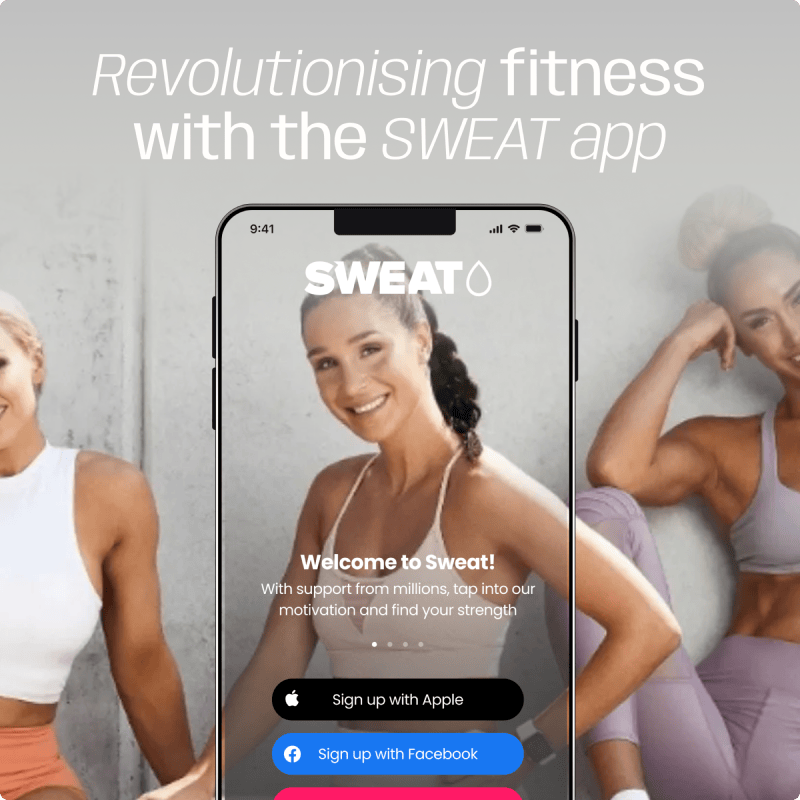
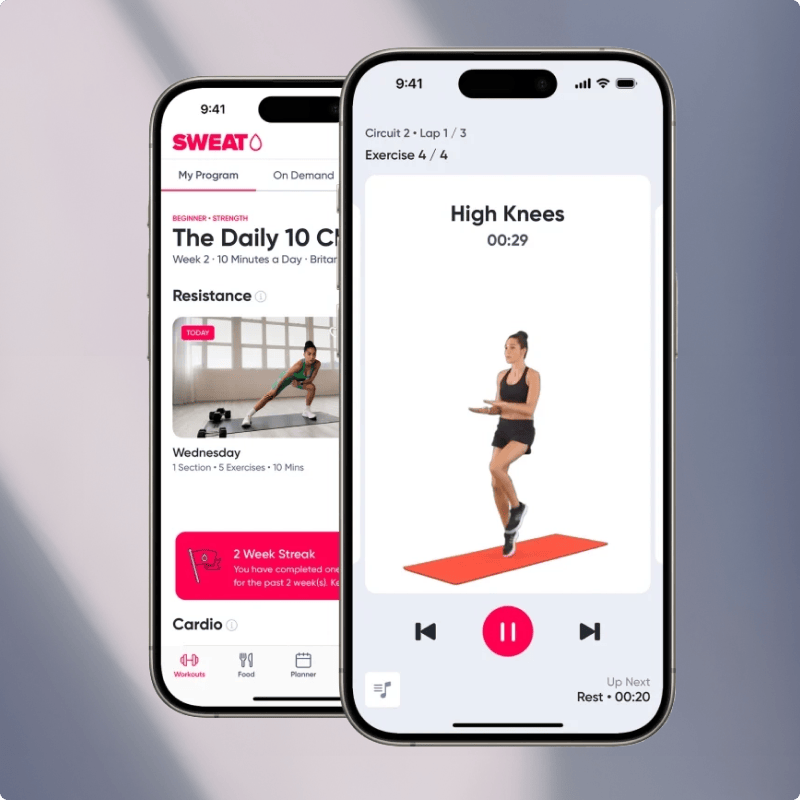
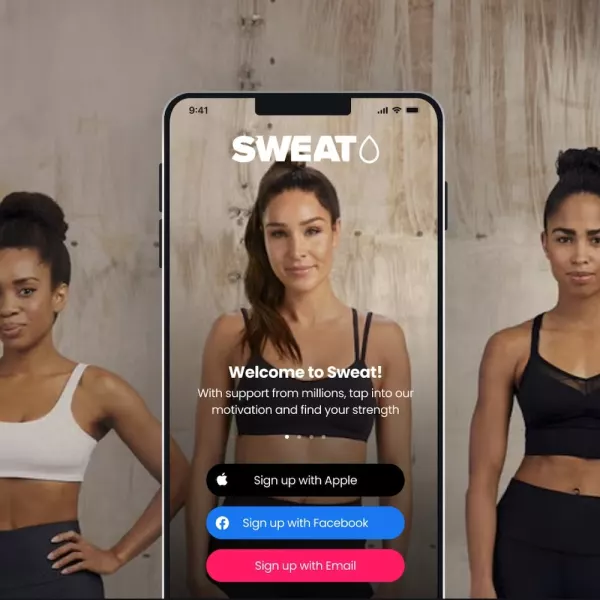
We built and scaled SWEAT, the platform behind Kayla Itsines and Tobi Pearce, from launch to a $400M acquisition by iFIT, reaching 30 million users across 155 countries. Sweat with Kayla generated $17 million in revenue in its first year after its 2015 launch, and in 2016 it generated more revenue than any other fitness app. The number that should matter most to anyone weighing a custom build, though, is a quieter one: the platform passed Big 4 due diligence at exit. That is the moment a bespoke product either is an asset or is not, and it is decided years earlier by choices about architecture, data ownership and code quality that feel abstract while you are making them. We also added multilingual support across eight languages, which lifted retention 25 percent and engagement 40 percent. Tobi Pearce is now a strategic investor and advisor to PixelForce, which is the clearest endorsement of a custom mobile app development company we can point at: the client who took the exit came back as an owner.

SWEAT app workout programme screen SWEAT app community and progress tracking screen
Built by PixelForce $400M acquisition by iFIT · 30 million users

How a custom build is scoped and priced.

Three phases, in the order they run. Every figure below is an envelope shaped by scope, never a fixed quote off a rate card, which is exactly why Scoping & Design comes first and why no development quote is issued without it. Custom app development cost is driven by what is actually being built - how many user roles, how many integrations, how much regulated or financial logic sits underneath, whether there is an admin portal and a web surface as well as the mobile stores - and none of that is knowable from a feature list. Read the first two numbers together, because a real product needs both phases.

Phase 1 · Scoping & Design

$35,000 to $65,000

The mandatory first phase of every custom build, and a standalone commitment. Preliminaries and two strategic workshops produce the Business Requirements Document, a complete enterprise-grade UX/UI design covering every consumer screen and the key admin screens, a Product Requirements Document, and a fixed-cost Statement of Work for development. This is where the platform decision is made and written down with its trade-offs, and where the scope is cut back to what the first version genuinely needs. You can stop here if the evidence says stop, and you own the output whether or not we build it. No Blueprint, no Build.

  • Two strategic workshops, priorities locked
  • BRD, PRD and full UX/UI design
  • Platform decision documented with trade-offs
  • Fixed-cost SoW for development

Phase 3 · Post Launch Support

From $10,000 per 4 weeks

Two options after launch. Option 1, Warranty, Monitoring & Support, is $4,000 per month and covers the critical-bug warranty, 24/7 infrastructure monitoring, business-hours incident response, advance notice of required third-party updates, technical support capped at seven hours per month and a monthly Platform Health Report. Option 2, the Product Retainer, includes everything in Option 1 and adds a roadmap workshop in month one, continuous sprints shipping designed features into production, and quarterly business reviews. It is priced per four-week cycle against a committed story-point capacity: Steady $10,000, Growth $20,000, Scale $30,000, Velocity $40,000, Momentum $50,000, Enterprise on application.

  • Option 1 - Warranty, Monitoring & Support, $4,000 per month
  • Option 2 - Product Retainer, from $10,000 per four-week cycle
  • Roadmap workshop in month one, then continuous sprints
  • Priorities set by launch evidence, not by opinion

What goes into a custom app that holds up.

Six layers that appear in nearly every bespoke product we build, whatever the market. This is the part worth looking hardest at when you compare custom app development companies, because the difference between a platform that ages well and one that becomes a rewrite lives underneath the screens - in how the data model is shaped, how permissions are enforced, how the release pipeline is wired, and whether anybody instrumented the product well enough to learn anything from launch week.

Architecture and the data model

The layer that decides whether year three is maintenance or a rewrite. Get the data model wrong and every later feature pays a tax. Move With Us is the cautionary example we fixed: the core workout table shrank from 42GB to 0.9GB once duplicated per-user data became templates.

  • Layered architecture, presentation through to data
  • A data model built for the business, not the first screen
  • Typed models and real automated test coverage
  • Documented so the next team can read it
  • Database CPU peaks cut from 40% to under 5% on one rescue

Onboarding, accounts and permissions

Nothing else matters if people do not reach the core action, and on a bespoke platform there is rarely only one kind of user. We build the shortest credible path from install to value for each role, and enforce permissions in the backend rather than by hiding buttons.

  • Email, social, Sign in with Apple and passwordless
  • Role-based permissions enforced server side
  • Shortest path from install to first value
  • Profile, account recovery and deletion flows
  • Drop-off instrumented at every step

Payments, billing and money movement

Where bespoke platforms most often outgrow an off-the-shelf answer. Subscriptions, in-app purchase, marketplace payouts, credits and refunds each carry their own failure cases, and the failure cases are where the money leaks. Processor and store fees change, so check each provider's current pricing.

  • Subscriptions, in-app purchase and card payments
  • Marketplace splits, payouts and escrow flows
  • Entitlement, trial and renewal logic
  • Declines, retries, refunds and chargebacks handled
  • A reconcilable ledger where money moves between parties

Integrations and the admin surface

Your team has to be able to run the business without a developer. That means a real operations portal, and integrations to the systems you already depend on, each with its own retry, timeout and failure behaviour specified rather than discovered in production.

  • Operations portal built as a real product
  • Payments, identity, logistics, CRM and marketing
  • Retry, timeout and failure behaviour specified
  • Webhooks and background job processing
  • Audit logging on actions that change money or access

Analytics, crash reporting and performance

A product without instrumentation is an expensive opinion. Success metrics are defined during Scoping & Design and the tracking that measures them is built alongside the features, so launch week produces evidence rather than anecdotes and the retainer has something real to prioritise against.

  • Success metrics defined before the build starts
  • Funnel, activation and retention events
  • Crash reporting with usable stack traces
  • Startup time and API latency tracked
  • Reporting split by platform and by user role

Infrastructure and the release pipeline

Cloud infrastructure, continuous integration and delivery, and monitoring on your own AWS account, with a pipeline that builds, signs and ships from one commit. This is the layer that decides whether a fix takes hours or a fortnight, and whether a launch spike holds.

  • Your own AWS account, IP transfers to you
  • One pipeline building, signing and shipping
  • Auto-scaling that survives a launch spike
  • Monitoring, alerting and incident response
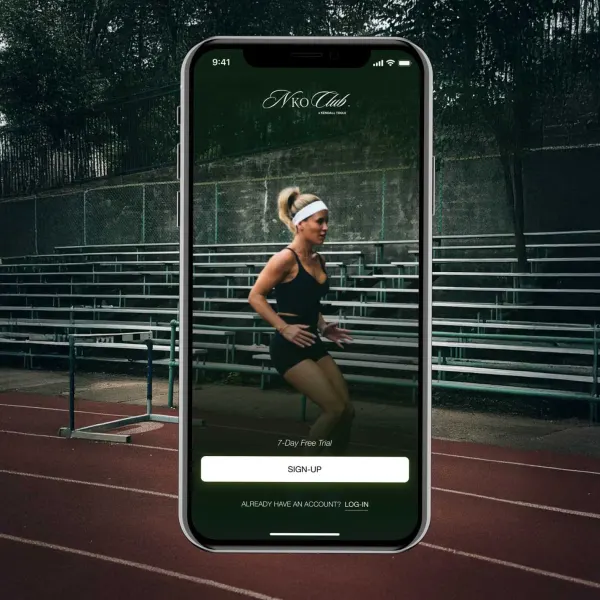
  • NKO Club held 10,000+ members within 24 hours of launch

One conversation.
Three phases.
Built to grow.

The same canonical PixelForce engagement model behind 100+ shipped products and $1.5B+ in combined client revenue, applied to your custom app. The 1-3-1 method runs through every conversation - one problem, three options with honest trade-offs across budget, timeline and scope, one recommendation. No Blueprint, no Build.

  1. 0
    Free

    Discovery call

    A free, no-obligation conversation to find the right path for your custom app before you commit a dollar.

    • Mutual NDA signed up front
    • 1-3-1 method: one problem, three options, one recommendation
    • Honest trade-offs across budget, timeline and scope
    • A straight answer on what a credible build looks like
  2. 1
    4-8 weeks

    Scoping & Design

    Everything you need to build with total confidence - a fully costed, designed plan with no scope surprises.

    • Strategic workshops and BRD
    • Full UX/UI design system, every screen built
    • PRD and a fixed-cost Statement of Work
    • No Blueprint, no Build - Phase 1 before any Phase 2 quote
  3. 2
    3-6 months

    Development, QA and Release

    From approved designs to your live custom app, built and tested at a steady sprint cadence.

    • Sprint cadence with regular demos
    • QA across iOS, Android and the edge cases
    • End-to-end App Store and Google Play submission
    • Built to scale from 1,000 to 1,000,000 users
  4. 3
    Ongoing

    Post Launch Support

    We do not disappear at launch - monitoring, warranty, and an optional retainer keep your custom app growing.

    • 24/7 monitoring and a critical-defect warranty
    • Ongoing technical support
    • Optional Product Retainer: four-week sprints and quarterly reviews
    • The model that grew SWEAT to a $400M platform

Custom app development case studies.

Selected bespoke work, built by a 100% in-house Adelaide team you would actually work with on your product. Read these for the decisions rather than the screenshots - what shipped in version one, what was deliberately held back, what the first month of real usage changed, and in a few cases what had to be rebuilt because somebody else got the data model wrong. Between them they cover the profiles we see most often: marketplaces where the economics are the product, franchise and multi-site operations, regulated workflows, creator platforms launching into an existing audience, and platforms rescued from a previous developer.

EzLicence

EzLicence Connecting Learners & Instructors

Adelaide, Australia EzLicence

How we built EzLicence, Australia's largest marketplace for driving lessons

SWEAT

SWEAT The World's #1 Female Fitness App

Adelaide, Australia Sweat

How we helped build SWEAT, from an Adelaide startup to a global fitness platform

NKO Club

NKO Club A Country Club for Misfits

United States NKO Club

How we built Kendall Toole's holistic wellness platform - movement, mindset and nutrition - in five months

Move With Us

Move With Us From Technical Debt to a Platform Built to Scale

Brisbane, Australia Move With Us

A faster, more stable Move With Us, rebuilt on solid foundations without disrupting a single member.

CSB

CSB The gap between paid and delivered

Gold Coast, Australia CSB

ShipBob, Klaviyo and Shopify connected in a two-week development cycle, and a spreadsheet removed from the middle of the customer experience.

Fitstop

Fitstop From a Queensland garage to a four-country franchise

Brisbane, Australia Fitstop

One member app and one franchisee operations portal, running across 100+ gyms and 50,000+ active members.

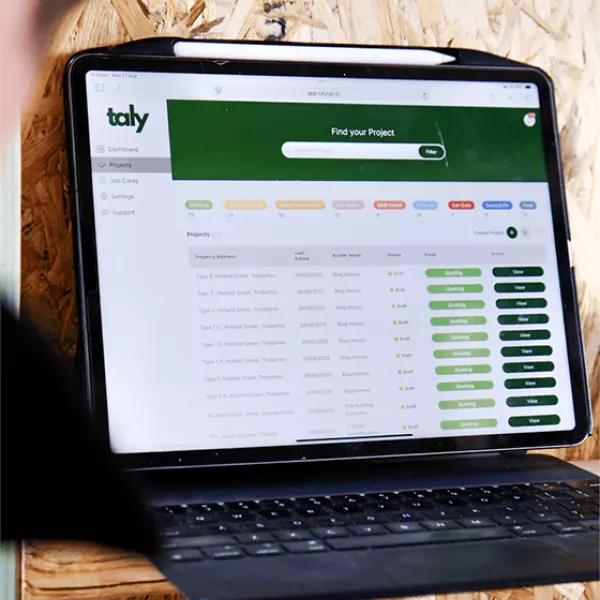
Taly

Taly Off the paper plan, into one platform

Adelaide, Australia Taly

The plan, the job card and the numbers in one place, live for the office and the site at once.

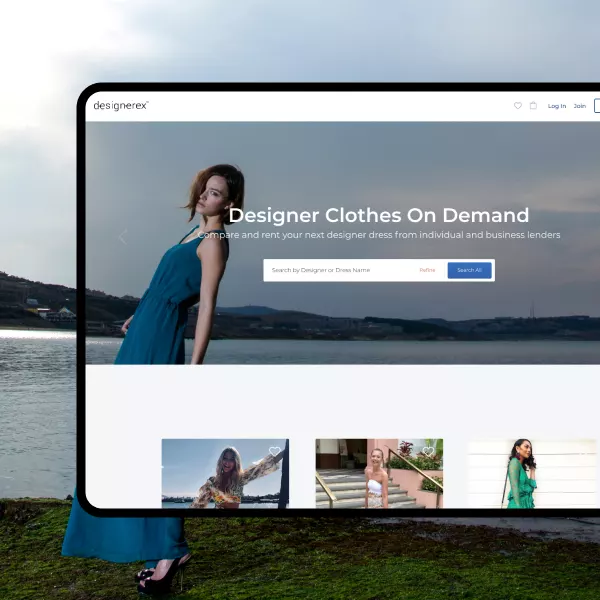
Designerex

Designerex From offshore drift to onshore control

Sydney, Australia Designerex

An onshore rescue and replatform of a peer-to-peer designer dress-sharing marketplace, without taking a live marketplace offline.

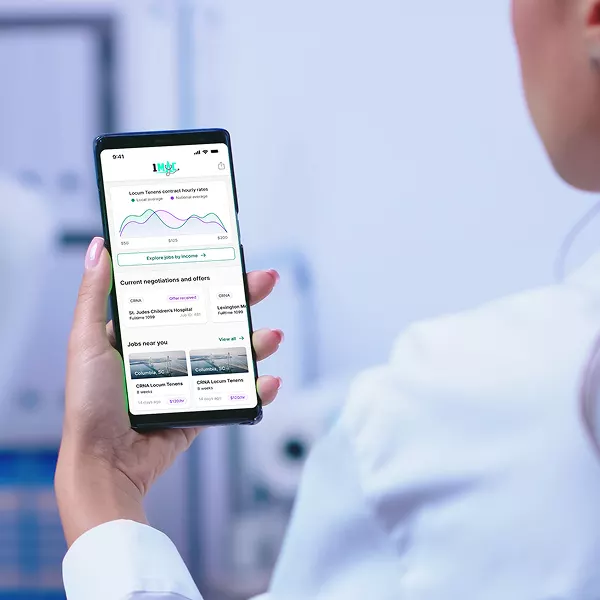
1MAC Anesthesia

1MAC Anesthesia A direct line into anaesthesia coverage

United States 1MAC Anesthesia

How we built a two-sided marketplace where anaesthesia providers and United States healthcare facilities deal with each other directly.

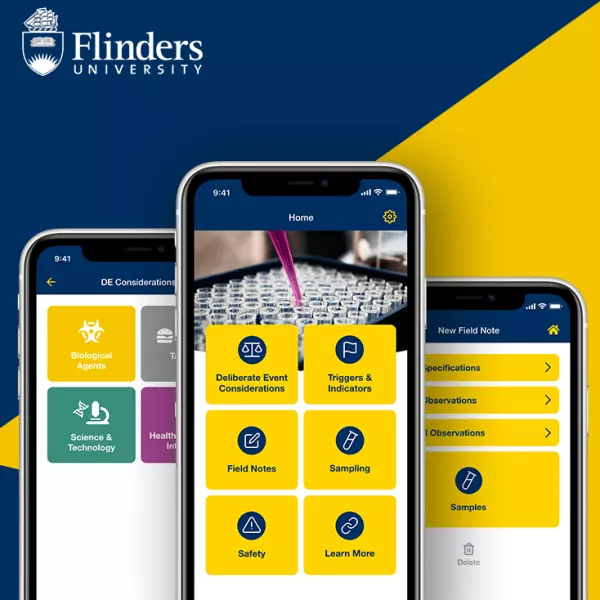
SuspectED

SuspectED A forensic field kit in a phone

Adelaide, Australia Flinders University

How we turned a smartphone into a forensic-grade field tool for recording biological threats, working with no network at all.

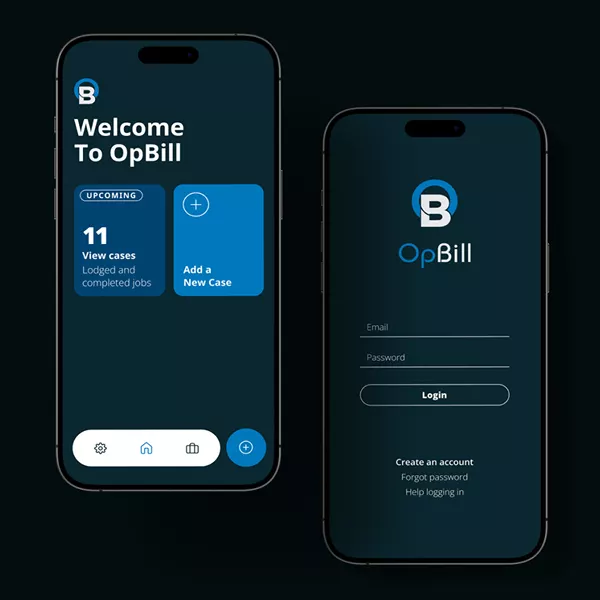
OpBill

OpBill Snap, Scroll, Done

Adelaide, Australia OpBill

An AI-powered OCR claiming flow that made medical billing 90 percent faster, built in 4 months.

Custom app development questions.

The questions clients ask before committing to a bespoke build - what a custom app development company actually does, what custom app development costs in Australia, how to choose between custom and off-the-shelf, how long a build takes, what makes a custom mobile app development company different from a development shop, who owns the code and the intellectual property, which platforms we build for, what happens after launch, whether we can take over somebody else's platform, and how to choose between mobile app development companies at all. If your question is not here, ask it on a discovery call - that call exists for exactly this.

A custom app development company builds software that does not exist yet, shaped around one organisation's process rather than a generic market. In practice that means four things. First, working out what should be built at all - the problem, the users, the commercial goal, and the smallest version that proves it. Second, designing every screen and flow, including the admin surfaces your own team will live in. Third, engineering the product: the mobile or web application, the backend services and application programming interfaces, the databases, the integrations and the cloud infrastructure. Fourth, releasing it, measuring it and keeping it current as operating systems, devices and regulations move underneath it.

The part that separates a real custom build from a rebadged template is the second and third of those. Off-the-shelf platforms make you change your process to fit their model. Custom software encodes the process you actually run, including the parts that are your competitive advantage. That is why the scoping work comes first at PixelForce: no development quote is issued without it, because quoting a bespoke build from a feature list and a phone call is guessing.

Scoping and design typically runs $35,000 to $65,000, and the build that follows typically runs $100,000 to $350,000. Those are envelopes shaped by scope, not a rate card, and they are wide on purpose - a two-screen internal tool and a payments-carrying marketplace are both honestly described as "an app".

What moves the number is consistent across projects: how many platforms it ships on, because iOS, Android and web is three surfaces sharing a backend rather than one product; how many screens and flows there are; what the backend genuinely has to do; how many third-party integrations it carries, each with its own build, testing and failure modes; and whether it handles health, financial or personal information, which shapes the architecture from day one.

The $350,000 figure is a recommendation rather than a ceiling. Even with a larger budget we normally advise capping version one near it and putting the remainder into evidence-led iteration after launch, because a bigger budget should buy a longer runway rather than a bigger version one. Full detail sits on our app development cost in Australia page.

Start with a blunt test: is the process you are automating a source of competitive advantage, or is it the same process every business in your category runs? If it is the latter, buy the platform. Accounting, payroll, generic customer relationship management and standard e-commerce storefronts are all solved problems, and paying to rebuild them is spending capital to end up where a subscription would have put you in a fortnight.

Custom is the right answer when the platform market forces you to change how you operate, when the integration surface between four subscriptions has become the actual product, when per-seat licensing scales faster than your revenue does, when you need to own the data model and the intellectual property, or when the thing you are building is the business rather than support for it. EzLicence is the clearest example we can point at - a two-sided driving-lesson marketplace with its own credit ledger, instructor supply model and booking economics, now processing $100M+ in annual bookings. No off-the-shelf platform was going to be that.

We are happy to tell you the answer is "buy, do not build". It costs us a project and saves you a great deal more.

Phase 1 Scoping & Design typically runs six to ten weeks depending on the size of the surface being designed. Phase 2, the build itself, typically runs four to eight months for a first version, and the range is set by scope rather than by ambition.

Real reference points from our own work: OpBill went from a paper-and-spreadsheet claiming process to a shipped product with artificial-intelligence-powered optical character recognition in four months. Revia reached number three in Apple's Health and Fitness category within 48 hours of launch after a four-month build. Pilates Obsession went live within 12 weeks and on budget. SuspectED, built for Flinders University with forensic-grade chain-of-custody and full offline operation, took ten months because that is what the requirement was.

What extends a timeline is almost never engineering speed. It is unresolved scope, decisions that arrive late, and integrations with third parties who move at their own pace. Scoping and design exists specifically to move those problems to the front, where they are cheap.

Three structural differences, all of which you can check.

The first is that we are 100% in-house. Every product is built by our own employees from an Adelaide headquarters - the same people from the first call to launch, with no subcontracting chain between the conversation and the commit. We take on five to ten clients a year rather than running high volume, and 90 percent of our clients come from referrals.

The second is that we will argue with your brief. The 1-3-1 method means every significant decision arrives as one clearly stated problem, three options with their real trade-offs, and one recommendation across budget, timeline and scope. Declining a project, or recommending against building at all, is a valid outcome here.

The third is that we stay. PixelForce client partnerships run 7+ years on average, and we still operate platforms we launched years ago. A development shop optimises for delivery; a product partner optimises for what the platform is worth in year three. Independent verification: we rank number 1 on Clutch.co and hold Top Clutch awards for App Development, Software Developers, User Experience, Android App Development and iPhone App Development in Australia.

Yes. You own the code, the design assets and the intellectual property, and infrastructure runs on your own cloud account rather than ours. That is a deliberate structural choice, not a concession we make when asked.

It matters for a reason that only becomes obvious later: the value of a custom platform is realised at a funding round, an acquisition or an audit, and every one of those events involves somebody reading the ownership position carefully. The SWEAT platform we built and scaled passed Big 4 due diligence at a $400M acquisition by iFIT. A product with a murky intellectual property trail, code sitting in an agency's repository or infrastructure on an agency account is a problem discovered at exactly the worst moment.

The same applies if you decide to leave. Phase 1 Scoping & Design is a standalone commitment and you own its output - the business requirements document, the full user experience and interface design, the product requirements document and a costed build plan - whether or not we build it. You can take it to another team.

All of them, and which ones you should actually ship on is a Phase 1 decision rather than a preference we bring to the table.

Native iOS is built in Swift and SwiftUI, native Android in Kotlin and Jetpack Compose. Where one product team shipping to both stores is the better commercial model, we build cross-platform in Flutter and Dart - see Flutter app development. Web applications, admin portals and customer-facing sites are built as full web products, and where an app store is not needed at all, a progressive web app is often the honest answer. Backend services and cloud infrastructure run on Amazon Web Services; PixelForce is an AWS Advanced Tier Partner with 15+ AWS-accredited engineers.

Most products need fewer surfaces at launch than the brief assumes. Shipping to one platform first, learning from real usage, then following with the second is usually cheaper and better than launching everywhere at once with half the evidence.

Launch is the start of the expensive part, and there are two ways to engage with it.

Option 1, Warranty, Monitoring & Support, is $4,000 per month. It covers the critical-bug warranty, 24/7 infrastructure monitoring, business-hours incident response, advance notice of required third-party updates, technical support capped at seven hours per month, and a monthly Platform Health Report.

Option 2 is the Product Retainer. It includes everything in Option 1 and adds a roadmap workshop in month one, continuous sprints shipping designed features into production, and quarterly business reviews. It is priced per four-week cycle against a committed story-point capacity: Steady $10,000, Growth $20,000, Scale $30,000, Velocity $40,000, Momentum $50,000, and Enterprise on application.

The reason we push clients towards the retainer is evidence. Version one of a custom product is a hypothesis, and the first three months of real usage will tell you things no amount of pre-launch research would have. Fitstop lifted user retention by more than 10 percent across 100+ gyms and 50,000+ active members through exactly that kind of iteration, not through the launch build.

Yes, and it is a substantial part of what we do. We have rescued 15+ platforms in the past three years: app ratings recovered from 3.8 to 4.6 stars, crash rates typically cut 50 to 70 percent within two weeks, and feature development 60 to 80 percent faster after modernisation.

The entry point is a technical audit rather than a quote, because the honest answer is sometimes that a targeted fix beats the rebuild you have already budgeted for. Move With Us came to us with a 200,000+ user platform: crash rates fell 50 percent, performance improved 40 percent, user satisfaction rose 30 percent, and there was zero business interruption during the fix. On the same platform we refactored the user program engine from duplicated per-user data to templates - the core workout table shrank from 42GB to 0.9GB and database CPU peaks fell from 40 percent to under 5 percent. Train With Cass took a 90 percent crash reduction, 99 percent uptime and a 50 percent maintenance cost cut through a seamless handover from the previous developer.

Detail on how a takeover runs is on our app rescue and modernisation page.

Ask five questions, and weigh the answers rather than the pitch deck.

Who actually writes the code, and are they employees or subcontractors? Ask for the specific team, not a company capability statement. What happens if this project is harder than the brief suggests - has this company ever told a client not to build? What does the process produce before a build quote exists, and do you own it if you walk away? Who owns the code, the design and the cloud account? And what does the relationship look like in year three, when the launch is old news and two annual operating system releases have landed on it?

Then check the claims independently. Third-party recognition, app store rankings, named clients with numbers attached, and a track record that survives due diligence are all verifiable; "world-class team" is not. Our own position, for what it is worth: 100+ products shipped since 2013, $1.5B+ in facilitated client revenue, 50M+ users served, a 98 percent first-time app store approval rate, 99.99 percent uptime, and 30+ global awards including Apple Best of Developers. If you want the general version of this decision, our app development company overview covers how we work end to end.

Build the custom app your business actually needs.

Start with a free consultation. We will talk through the problem you are solving, what a custom build would have to do, where the budget realistically sits and whether custom software is even the right answer for you. If an off-the-shelf platform would serve you better, we will say so. If a custom app is the right call, the next step is Phase 1 Scoping & Design, and you own everything it produces whether or not we build it.

  • Top Clutch App Development Company · Australia
  • 100% in-house development · Adelaide HQ
  • $1.5B+ client revenue across 100+ products shipped
  • AWS Advanced Tier Partner · 15+ accredited engineers