An international working group identified a gap in how biological threats get recorded in the field. The responders who arrive first - public health officers, veterinarians, in-field investigators - were working with handwritten notes, photographs taken on a separate device, and reporting paths that varied by country and by agency. Every one of those seams is a place where information is lost or where the evidentiary trail breaks, and a broken trail matters twice over: it slows the public health response, and it can make the evidence unusable if the event turns out to be deliberate. The gap was sharpest in exactly the places with the fewest resources and the least reliable connectivity.

How we turned a smartphone into a forensic-grade field tool for recording biological threats, working with no network at all.
A forensic field kit in a phone
PixelForce built SuspectED for the Torrens Resilience Institute at Flinders University: a field app for iOS and Android that walks a responder through See, Record, Collect and Report, works entirely offline, and produces documentation with forensic-grade chain-of-custody. It was built in 10 months and has been deployed in developing countries including India, Pakistan and Indonesia.
Concept to release 10 months
Offline capability 100%
Deployed in 3+ countries
The Problem
The Solution
PixelForce built SuspectED for the Torrens Resilience Institute at Flinders University as a native app for iOS in Swift and Android in Kotlin, structured around a four-step field workflow: See, Record, Collect, Report. The decision that governs the whole build is that it works entirely offline. Everything is captured and held on the device, so a responder in a location with no signal follows exactly the same procedure as one standing next to a base station, and the app brings itself up to date with current international guidance whenever a connection appears.
The Outcome
SuspectED was built in 10 months. It was trialled in Australia in late 2019 and internationally in the early months of 2020, and published free on both app stores. It has been deployed in developing countries including India, Pakistan and Indonesia, which Flinders University identified as the countries engaging most with the app. It was funded through the Government of Canada's Weapons Threat Reduction Program.
A gap in how the first hour gets recorded
The Torrens Resilience Institute at Flinders University in Adelaide works on disaster preparedness and global health security. Through an international working group it identified a specific and unglamorous problem: the tools frontline responders use to record a suspected biological event are inconsistent, mostly analogue, and rarely designed for the conditions the work actually happens in. A veterinarian investigating an unexplained livestock death and a public health officer responding to a cluster of human cases are doing versions of the same job, and both need the same things - a record of what was observed, photographs tied to a place and a time, samples labelled correctly, and a report that can be handed to a laboratory or an authority without the chain breaking.
The Institute approached PixelForce with funding from the Government of Canada's Weapons Threat Reduction Program to build that tool as a smartphone app. Two requirements sat above all the others. It had to work with no network, because the environments that most need it are the ones least likely to have one. And the documentation it produced had to be good enough to survive scrutiny in a criminal investigation, not merely good enough to jog somebody's memory later.
No network, and no excuse
The app had to run completely offline. Remote locations, damaged infrastructure and countries with patchy coverage are the normal case for this work, not the exception.
Evidence that survives scrutiny
If an event turns out to be deliberate, the field record becomes evidence. Chain-of-custody, verifiable metadata and mandatory fields had to be built into the workflow rather than left to the user's discipline.
Used under pressure, sometimes for the first time
A responder may be wearing protective equipment, working quickly, and using the app for the first time in a real incident. Anything requiring training to operate would fail at the moment it mattered.
Nothing leaves the device by accident
Field records can contain identifiable personal information from a live investigation. The architecture keeps data on the device, with the user deciding what is sent and to whom.

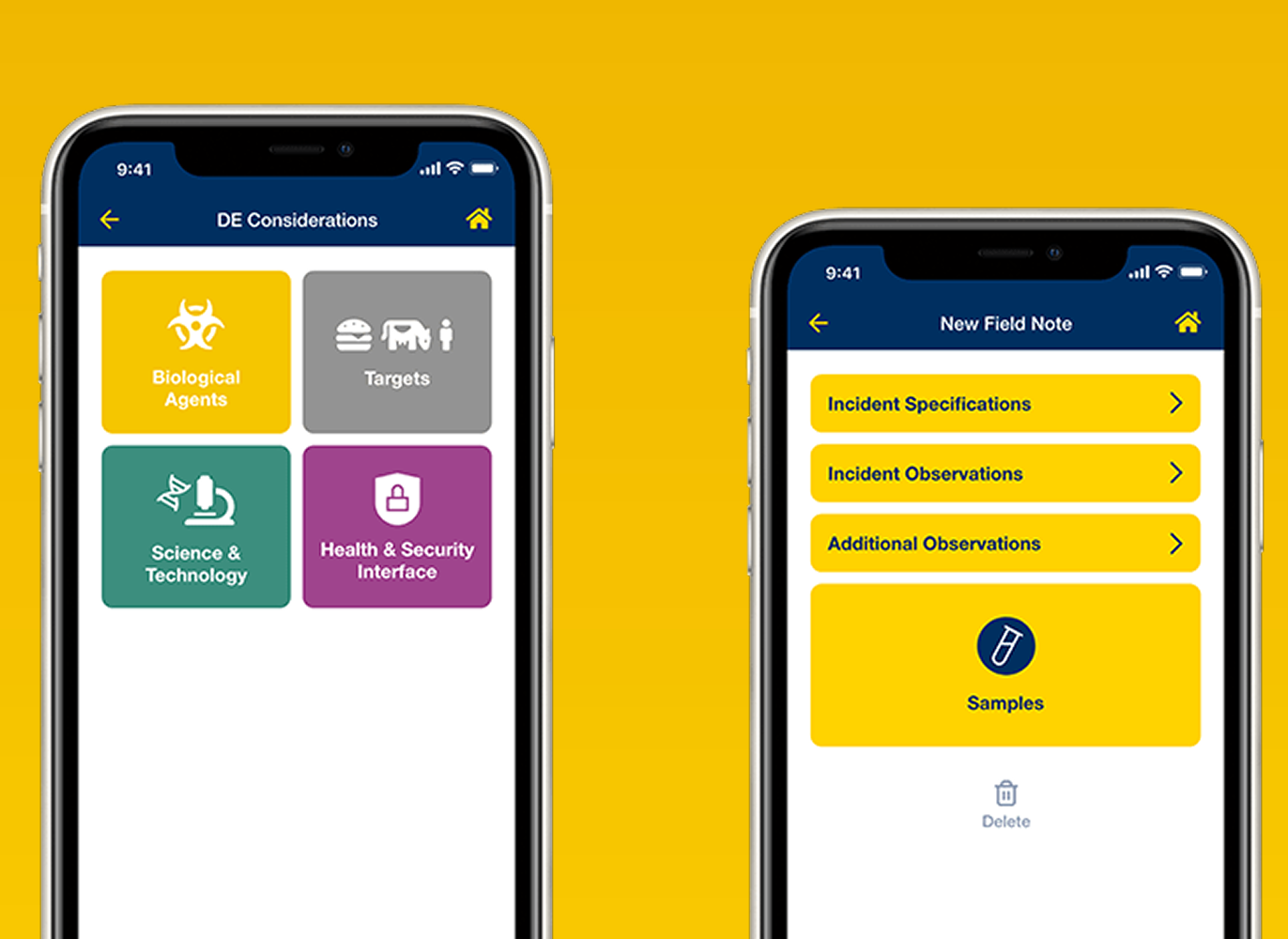
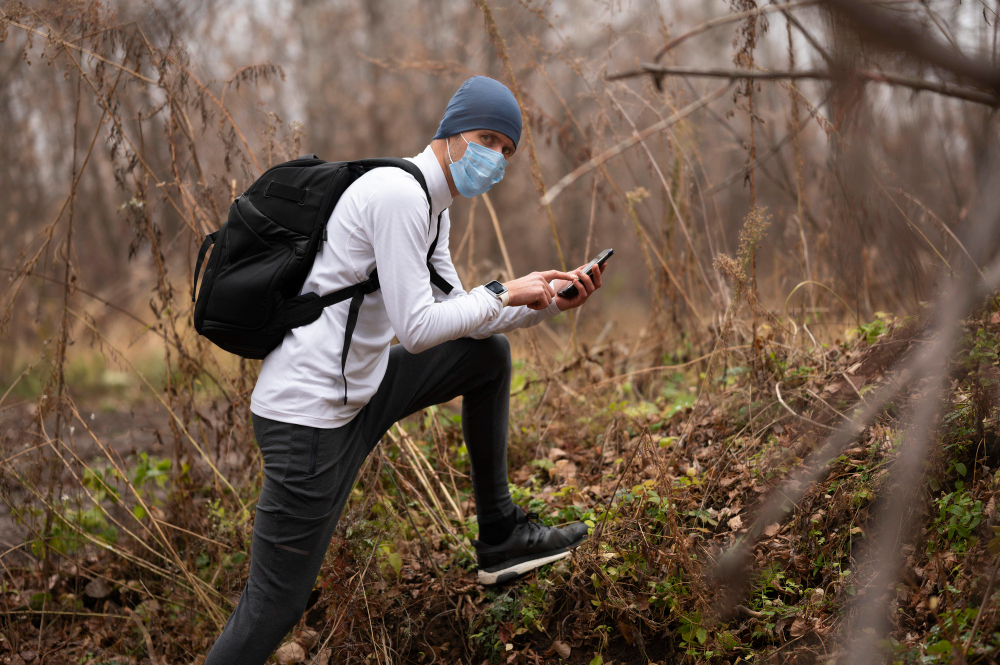
Flinders University is in Adelaide and so is PixelForce, which made this a genuinely co-located engagement. The Institute brought the protocol and the field expertise; PixelForce brought the judgement about what a person can actually be asked to do on a phone while wearing gloves. The productive tension was between completeness and speed: the researchers wanted every field a full investigation might need, and much of the design work was establishing which of those a responder can be required to fill in before the app lets them continue.
Hinney Lo Founder & CEO, PixelForce
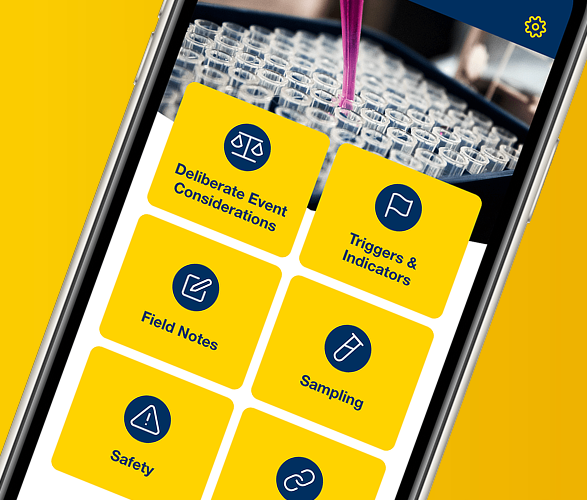
Book a consultationAs an incident investigation tool, the design of the UX/UI needed to be quick and easy to use. A simple interface and a streamlined user flow mean that in just a few minutes investigators can create a highly informative field report that captures all the key details needed in an incident report.
Swipe to explore
Building for the worst conditions first
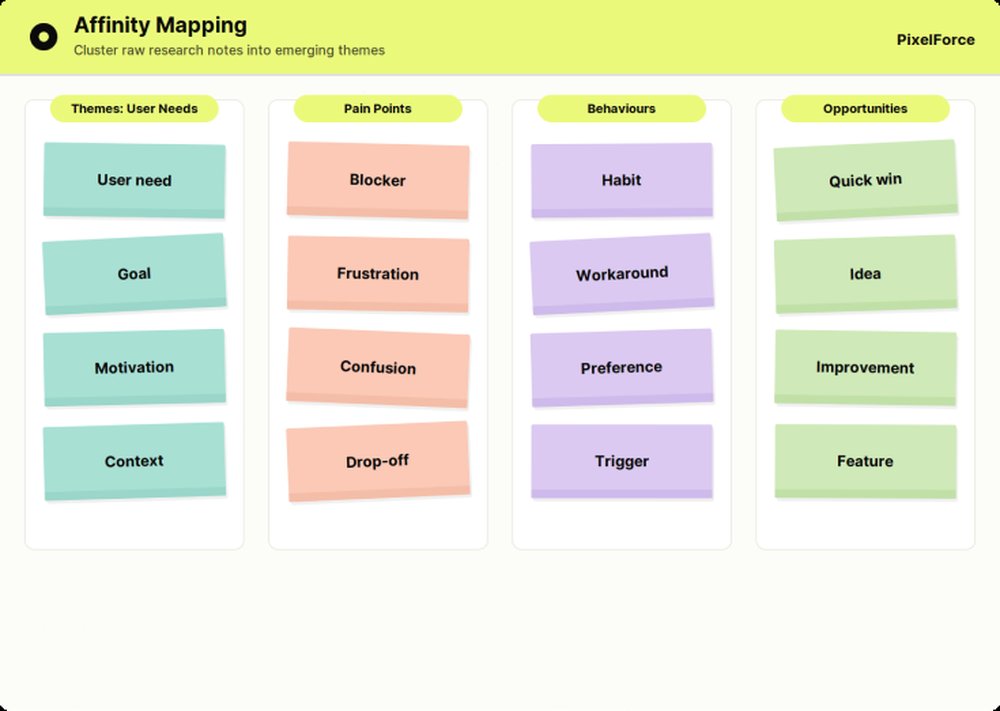
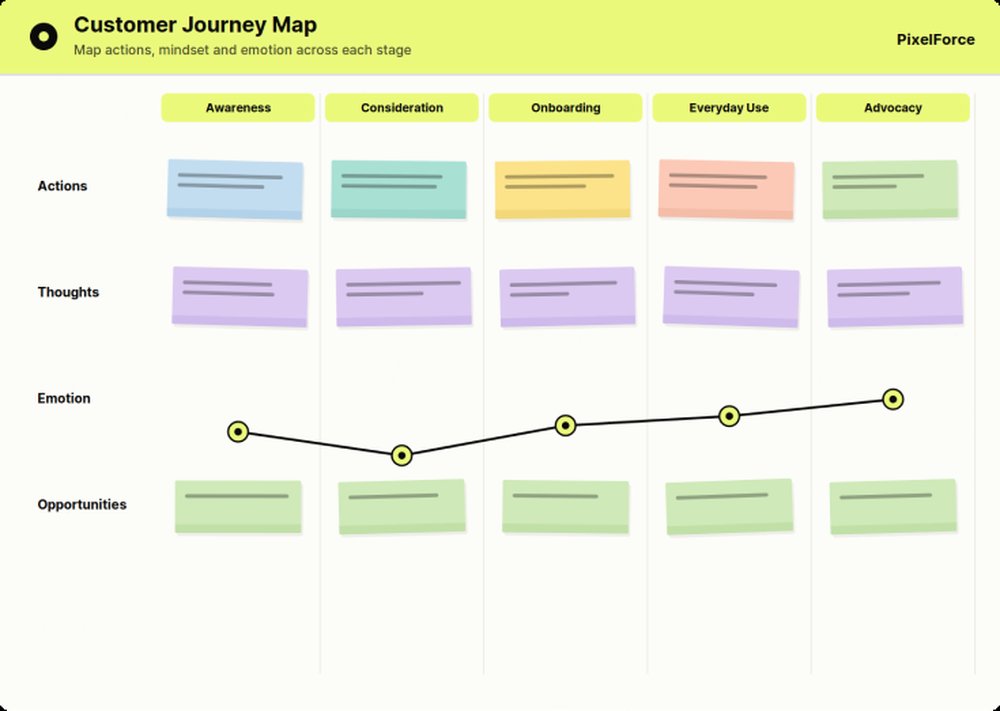
The engagement ran through Phase 1 Scoping and Design before development started. Workshops with the Institute translated a public health and law enforcement procedure into a Business Requirements Document, a full UX/UI design, a Product Requirements Document and a fixed-cost Statement of Work. Scoping and design always precedes development at PixelForce, and here that phase was doing something unusual: turning an internationally agreed protocol into a sequence of screens without losing anything the protocol requires.
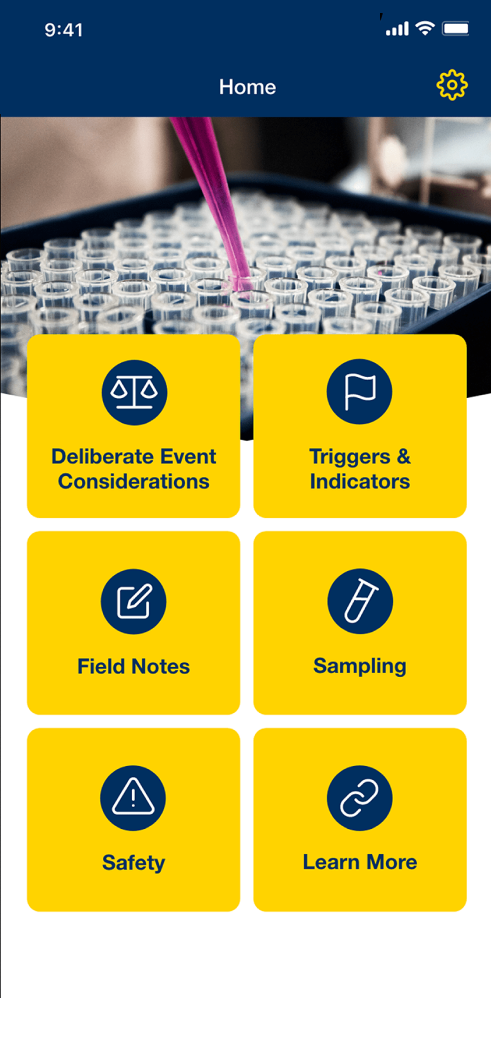
The app is native on both platforms, Swift on iOS and Kotlin on Android, and offline is the default state rather than a degraded mode. All data is written to the device, and the app self-updates its embedded guidance when it detects a connection, so a responder always has current international protocols without ever depending on having one. Photographs are stamped automatically with date, time and GPS coordinates at the moment of capture, which is what turns a picture into evidence. The workflow enforces mandatory fields and photographic evidence, so a report cannot advance while it is incomplete - a deliberate constraint, and the kind that only survives design review when everyone understands why it is there.
Sample handling follows the same logic. The app takes the responder through labelling, protective equipment, collection technique and transport against international standards, and produces a PDF handover report a receiving laboratory can print and sign, closing the chain of custody with a physical signature where one is required. Privacy shaped the architecture: personally identifiable information stays on the device and is never transmitted to a server, and the user decides what is sent, by email or secure messaging, with or without photographs depending on available bandwidth. Every release went through structured quality assurance, which on a tool for high-risk environments has to include the paths where nothing works: no signal, no storage, an interrupted capture.
See · Record · Collect · Report
Four steps, no signal required.
Evidence that holds up, captured where there is no network to send it over.
- The four-step workflow
- Fully offline
- Stamped photographic evidence
- Chain of custody
- Safety and sampling guidance
- Triggers and indicators
01 06
The four-step workflow
See, Record, Collect, Report. The app walks a responder through the same four stages regardless of the incident or the country, which is the point: a standardised sequence means two investigators in different parts of the world produce records that can be read against each other.
02 06
Fully offline
Offline is the normal state, not a fallback. Everything is captured and stored on the device, so the app behaves identically with no signal, and it self-updates its embedded international guidance whenever a connection is available. The environments that most need this tool are the ones least likely to have coverage.
03 06
Stamped photographic evidence
Photographs taken through the app are automatically stamped with date, time and GPS coordinates at the moment of capture. That is the difference between a photograph and a piece of evidence, because the metadata is generated by the tool rather than recalled by a person afterwards.
04 06
Chain of custody
Sample labelling, handover and documentation follow strict procedure, and the app produces a PDF handover report a receiving laboratory can print and sign. Where a physical signature closes the chain, the app produces the document that carries it rather than pretending the digital record is enough.
05 06
Safety and sampling guidance
The app carries guidance on protective equipment, collection technique and transport, referencing international standards, so a responder who has never handled a particular sample type is taken through it in the moment.
06 06
Triggers and indicators
Between incidents the app works as a training resource. Triggers and indicators checklists help a user judge whether what they are looking at suggests an emerging or a deliberate biological event - the judgement the whole workflow depends on being made early.
Services in the SuspectED build
Frequently Asked Questions
SuspectED is a smartphone app built for the Torrens Resilience Institute at Flinders University that lets frontline responders - public health professionals, veterinarians and in-field investigators - detect, document and report biological threats with forensic-grade chain-of-custody. It runs a four-step See, Record, Collect and Report workflow, works entirely offline, and was funded through the Government of Canada's Weapons Threat Reduction Program.
PixelForce, an Australian digital product agency, built SuspectED with the Torrens Resilience Institute at Flinders University in Adelaide. Flinders University named PixelForce as the web and mobile developer on the project. It was built in 10 months as a native app, in Swift for iOS and Kotlin for Android.
By treating offline as the normal state rather than a degraded one. In SuspectED every capture, every form and every piece of reference guidance lives on the device, so the workflow does not change when there is no signal. Connectivity is used only opportunistically: when the app detects a connection it refreshes its embedded international guidance, and the user chooses when to send a completed report.
By generating the evidentiary metadata at the moment of capture and by refusing to let the record be incomplete. Photographs are stamped with date, time and GPS coordinates by the app itself, mandatory fields and photographic evidence are enforced before a report can advance, and sample handover produces a PDF a receiving laboratory can print and sign. The constraint on the user is the feature.
SuspectED took 10 months from concept to release. Institutional builds spend more of that time in definition than a consumer product does, because the software has to encode an agreed protocol rather than a product idea. PixelForce runs a free consultation, then Phase 1 Scoping and Design, then Phase 2 Development, QA and Release, then Phase 3 Post Launch Support, with the timeline fixed at the end of Phase 1.
Scoping and development are priced separately at PixelForce. Phase 1 Scoping and Design comes first and produces a Business Requirements Document, UX/UI design, a Product Requirements Document and a fixed-cost SoW. Phase 2 Development, QA and Release is quoted against that SoW. A native build on two platforms with strict offline and evidentiary requirements costs more than a single-platform app, because the constraints, not the feature count, drive the work.
SuspectED was published free of charge on the Apple App Store and Google Play. As at 26 July 2026 it is no longer listed on either store, so anyone seeking access should contact the Torrens Resilience Institute at Flinders University, which owns and operates the tool. PixelForce built the app for the Institute and does not control its distribution.
Yes. Phase 3 Post Launch Support is part of every PixelForce engagement, offered either as a warranty, monitoring and support arrangement on a flat monthly fee, or as a full product retainer priced per four-week cycle against a committed story-point capacity, in tiers named Steady, Growth, Scale, Velocity and Momentum, with Enterprise on application. For a tool carrying embedded standards and guidance, ongoing support matters because the standards themselves change.
Up next
More products we have designed, built and launched end to end.