










Melbourne App Developers Behind $1.5B+ in Client Revenue

PixelForce is an award-winning app development company working with Melbourne startups, scale-ups and enterprises to design, build and scale iOS, Android and web apps. We deliver as a senior in-house Australian team from our Adelaide headquarters, half an hour behind Melbourne, so the working day overlaps completely. For Pilates Obsession we built and launched a full-featured platform within 12 weeks and on budget, with users taking their first class within 30 seconds. Across the firm our clients' apps have generated more than $1.5 billion in revenue.

  • SWEAT - built and scaled to a $400M acquisition
  • EzLicence - $100M+ in annual bookings
  • 100+ products shipped · 99.99% uptime
  • AWS Advanced Tier Partner - fully AWS certified
$1.5B+Client revenue generated
100+Products shipped
99.99%Uptime in production
50M+Users served

Trusted by the founders and teams behind category-leading apps.

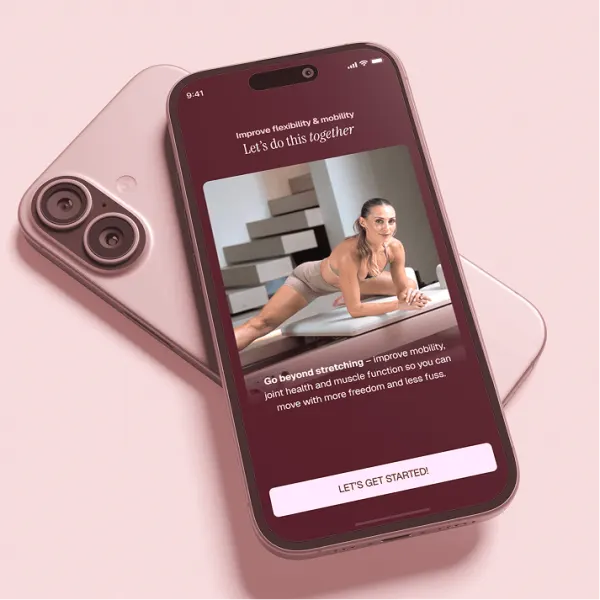
A Melbourne audience judges a product on craft, and it does so quickly. As app developers, PixelForce has shipped 100+ products across 13 years for startups, scale-ups and enterprises, generating more than $1.5 billion in combined client revenue. Pilates Obsession is the Melbourne example: a full-featured Pilates platform with structured programmes, professional video and reliable infrastructure, live within 12 weeks and on budget, with users taking their first class within 30 seconds and videos loading in under two seconds.

RAA - PixelForce's Client
SWEAT - PixelForce's Client
One Playground - PixelForce's Client
CSB - PixelForce's Client
BHP - PixelForce's Client
Jones Radiology - PixelForce's Client
EzLicence - PixelForce's Client
Traininpink - PixelForce's Client
Move With Us - PixelForce's Client
Government of South Australia - PixelForce's Client
Adelaide Airport - PixelForce's Client
and many more …

App developers built for Melbourne's market.

Yes - PixelForce works with Melbourne businesses as their app developers, a senior in-house Australian team delivering from our Adelaide headquarters rather than a local reseller. Melbourne carries a deep health and medical technology base around the Parkville biomedical precinct, the head offices of several of Australia's largest retail and e-commerce groups, and a dense startup cluster in Cremorne and across Richmond, Collingwood and Fitzroy, with corporate headquarters in the CBD, Docklands and Southbank. It also has a deep design and creative sector, which sets a high floor on interface quality. Adelaide sits half an hour behind Melbourne, so there is a full working day of overlap and no offshore hand-off. Competing here takes product strategy, retention design and engineering that holds up under real user load.

How we work with Melbourne businesses

Melbourne clients get a dedicated senior squad on a fixed cadence and direct access to the people writing the code. The half-hour time difference means a question raised at your stand-up is answered before lunch, and the flight down for a workshop is short enough that we make it when a project genuinely calls for one. There is no offshore hand-off and no account manager sitting between you and the engineers. Whether you are validating a first release or scaling a platform serving millions, you get weekly demos, transparent progress and a product lead who owns the outcome.

  • Senior in-house Australian squad, no offshore hand-off
  • Half an hour apart, so a full day of working overlap
  • Direct access to designers and engineers
  • A product lead accountable for outcomes

Built for Melbourne startups and scale-ups

Cremorne and the inner north hold a dense concentration of venture-backed startups, and Melbourne investors read a product's craft as a proxy for the team behind it. We help founders move from an idea to a fundable, launch-ready product without the technical debt that sinks a second raise. Our accelerated component library shortens the build and our 98 percent first-time app store approval rate keeps launch dates intact. Pilates Obsession went from brief to a full platform live in 12 weeks, on budget, which is the pace a Melbourne consumer launch usually needs.

  • Idea to fundable, launch-ready product
  • Accelerated delivery on a reusable component library
  • 98 percent first-time app store approval rate
  • Pilates Obsession: full platform live in 12 weeks

Enterprise-grade for Melbourne organisations

Melbourne's established organisations - the retail groups, health and medical technology institutions and enterprise headquarters across the CBD, Docklands and Parkville - come to us to build revenue platforms and to rescue ones that are underperforming. As an AWS Advanced Tier Partner with 15+ AWS-accredited engineers, we build on infrastructure holding 99.99 percent uptime across 100+ shipped products, with 50M+ users served. Health and retail platforms in particular tend to arrive with data problems rather than feature problems, so we run a technical audit first and recommend the smallest change that fixes the real cause.

  • AWS Advanced Tier Partner - fully AWS certified
  • 99.99 percent uptime across 100+ shipped products
  • Platforms serving 50M+ users
  • A technical audit before any Melbourne rebuild

Why Melbourne founders pick our app development team.

Four reasons Melbourne founders, product leads and enterprise teams keep choosing PixelForce ahead of the agencies in Cremorne and the CBD. The short version: a track record that survives due diligence, a senior in-house team you actually work with, technical range across iOS, Android, web and cloud, and a partner who argues about retention and unit economics rather than feature counts.

A verifiable track record

We built and scaled SWEAT to a $400M acquisition - 30 million users across 155 countries - and the platform passed Big 4 due diligence at exit. We built and still operate EzLicence, Australia's number-one driver-education marketplace, processing $100M+ in annual bookings. Across 13 years and 100+ products, our clients' apps have generated more than $1.5 billion in revenue. Melbourne buyers tend to shortlist on portfolio quality, and ours is checkable against the public record rather than a case-study deck.

  • SWEAT: built and scaled to a $400M acquisition
  • EzLicence: $100M+ in annual bookings
  • $1.5B+ combined client revenue
  • 100+ products shipped over 13 years

A senior in-house team

Melbourne clients work with a 100% in-house Australian team of product strategists, designers, engineers and QA specialists, not a rotating cast of offshore contractors. The people who scope your app are the people who build it. That continuity is why we hold 99.99 percent uptime across 100+ shipped products, and why clients such as SWEAT stayed with us for 7+ years rather than changing agencies between releases. In a market with as much agency churn as Melbourne has, a team that is still there for version three is worth more than a cheaper version one.

  • 100% in-house Australian team
  • Designers, engineers and QA on every project
  • 99.99 percent uptime across 100+ shipped products
  • Clients who stay 7+ years

Deep technical range

Native iOS and Android, cross-platform builds in Flutter, progressive web apps, and the AWS infrastructure underneath them. Melbourne products are frequently video-heavy or content-heavy, and that is where performance work pays: on Pilates Obsession users take their first class within 30 seconds and videos load in under two seconds. On another platform we shrank the core workout table from 42GB to 0.9GB and cut database CPU peaks from 40 percent to under 5 percent.

  • Native iOS, Android, Flutter and web apps
  • AWS Advanced Tier, 15+ accredited engineers
  • Infrastructure tuned for scale and cost
  • Root-cause engineering, not quick patches

Business fluency

We talk in retention, LTV, CAC, activation and revenue per user, the numbers a Melbourne board asks about at the second meeting. Every engagement opens with a fixed-scope Scoping and Design phase and our 1-3-1 method: one clear problem, three costed options, one honest recommendation. You get a plan tied to commercial outcomes, and a written scope, before a line of production code is written.

  • Retention, LTV, CAC and activation modelling
  • Fixed-scope Scoping and Design first
  • The 1-3-1 method: one problem, three options, one recommendation
  • A plan tied to commercial outcomes

App development services for Melbourne.

Six services Melbourne businesses engage us for, from a first MVP through to enterprise platforms and rescues. Health technology, retail and e-commerce, and subscription content products make up most of what this city asks us to build. Each service is delivered by the same senior team on the same fixed cadence - take one, or combine them into an end-to-end build.

iOS app development

Native iPhone and iPad apps built in Swift and tuned for performance, battery life and App Store approval. We handle HealthKit, push notifications, in-app purchases, offline-first data and Apple Watch companions. HealthKit in particular matters to the health and fitness products Melbourne keeps producing, where the app has to sit inside a user's wider health data rather than beside it. Our 98 percent first-time approval rate keeps launch dates intact, and our apps have earned Apple Best of Developers recognition.

  • Native Swift for iPhone and iPad
  • HealthKit, IAP and Apple Watch support
  • Offline-first data with reliable sync
  • 98% first-time App Store approval

Android app development

Native Android apps in Kotlin, built for the full spread of devices a Melbourne audience carries. Material Design interfaces, Google Play billing, background services and Google Fit integration. For retail and logistics products serving a wide customer base, Android is often where the volume sits rather than the revenue, and both matter. We optimise across low-end and flagship hardware alike and manage the Play Console release process end to end.

  • Native Kotlin, Material Design interfaces
  • Google Play billing and Google Fit
  • Optimised across the device spectrum
  • Managed Play Console release process

Cross-platform (Flutter)

One codebase for both platforms - the right call when time-to-market and budget matter more than platform-specific extremes. We shipped Traininpink on iOS and Android simultaneously with Flutter in 3.5 months. For a Melbourne studio, retailer or creator taking a first product to market, cross-platform roughly halves the build cost without costing the experience users feel.

  • One Flutter codebase for iOS and Android
  • Faster time-to-market, lower build cost
  • Near-native performance and feel
  • Ideal for MVPs and market validation

Web app development

Progressive web apps, dashboards, marketplaces and customer portals on modern, maintainable stacks. Melbourne's retail and e-commerce operators come to us for the layer their storefront cannot handle: for Crop Shop Boutique we connected ShipBob, Klaviyo and Shopify in a 2-week development cycle, automating 100 percent of pre-shipment customer notifications and eliminating the manual CSV export workflow. We integrate cleanly with the tools a Melbourne business already runs.

  • Progressive web apps and dashboards
  • Two-sided marketplaces and portals
  • Built for real transaction volume
  • Clean integration with existing tools

MVP & startup builds

A focused first release that proves the idea and stands up to investor scrutiny. We scope ruthlessly to the features that matter, ship fast on our component library, and instrument the product so you learn from real users rather than from opinions. Melbourne founders use our MVPs to raise, validate and grow, then scale the same codebase into v2 rather than starting over.

  • Ruthlessly scoped first release
  • Investor-ready quality and analytics
  • Fast delivery on a reusable component library
  • Scales into v2 without a rebuild

App rescue & cloud

Inherited an underperforming app, or a cloud bill that keeps climbing? We have rescued 15+ platforms in the past 3 years: app ratings recovered from 3.8 to 4.6 stars, crash rates typically cut 50 to 70 percent within 2 weeks, and feature development 60 to 80 percent faster after modernisation. We also reduced one client's cloud hosting costs by over 50 percent, saving them more than $10,000 every month. A technical audit tells a Melbourne team exactly what to fix before anyone touches the code.

  • 15+ platform rescues in the past 3 years
  • Ratings recovered from 3.8 to 4.6 stars
  • Crash rates typically cut 50 to 70 percent within 2 weeks
  • One client's hosting costs cut by over 50 percent

App development in Melbourne, platform by platform.

The platform decision is a market decision, and it is made before anyone writes code. Where your users are, what they will tolerate, and what the product has to do to the device all point at native iOS, native Android, one cross-platform codebase or the web. Below is what each of those actually involves when PixelForce builds it for a Melbourne business, and where the national service page goes into more detail.

Mobile app developers in Melbourne

Most Melbourne businesses that come to us for mobile do not open with a platform question, they open with a market question: who are the users we need, and what will they put up with. We answer that first. A consumer product facing a design-literate audience usually justifies native iOS ahead of anything else, because that is where the higher expectations and the paying users sit. A retail, logistics or field-services product usually justifies Android first, or both together, because that is where the volume is. Either way you get the same senior in-house squad from first call to launch, and the same discipline underneath it: a fixed-scope Scoping and Design phase before any build, dedicated QA engineers testing on real devices in real conditions, and a release run through App Store Connect and the Play Console by people who have done it more than a hundred times. Our first-time app store approval rate is 98 percent, and PixelForce holds Top Clutch awards for both iPhone App Development and Android App Development in Australia. If you are weighing native against cross-platform, we will tell you which one the product needs rather than which one is easier for us to staff.

  • Native Swift and native Kotlin, built in-house
  • Platform choice argued out during scoping, not mid-build
  • QA on real devices, not simulators alone
  • 98% first-time app store approval across 100+ products

Android app development in Melbourne

Android is where a Melbourne audience is broadest and most fragmented, and it is the platform where a careless build shows first. We write native Android in Kotlin and use Material Design so the interface behaves the way Android users expect, rather than the way an iOS design behaves once it has been translated. The work that decides whether an Android app succeeds is rarely the screens. It is Google Play billing and subscription state that survives a lapsed card, background services and scheduled jobs that keep syncing when the operating system decides to sleep the app, offline-first data with a sync strategy that resolves conflicts predictably, and permission and battery behaviour that does not get the app throttled by the system. We test on real hardware across the spread of devices your users actually carry rather than the flagship sitting in the studio, and we run the Play Console release process end to end, including staged rollouts so a bad build reaches one percent of users instead of all of them. For Melbourne retail, logistics and health products we also handle Google Fit, Firebase Cloud Messaging and Play Integrity. PixelForce holds a Top Clutch award for Android App Development in Australia.

  • Native Kotlin with Material Design interfaces
  • Play billing, background sync and offline-first data
  • Tested across low-end and flagship hardware
  • Staged Play Console rollouts, managed end to end

Cross-platform app development in Melbourne

When time to market and budget matter more than platform-specific extremes, one Flutter codebase serving iOS and Android is usually the right call, and for a first Melbourne release it often is. We shipped Traininpink on iOS and Android simultaneously with Flutter in 3.5 months. It went on to become the number one female-focused Pilates and fitness app in Italy, serving over 182,000 women, and since 2021 the platform has helped acquire over 40,000 paying subscribers. One build rather than two makes cross-platform materially cheaper than shipping separate native apps, and it does not cost the experience users feel, because the things that make an app feel native - gesture behaviour, transitions, keyboard handling, list performance - are all reachable in Flutter when someone builds them deliberately rather than accepting the defaults. What we will not do is recommend it automatically. Heavy device integration, sustained high-frame-rate rendering, complex background processing and deep platform APIs are all reasons to go native, and we say so during Scoping and Design rather than eight weeks into a build. For a Melbourne founder validating a product, cross-platform is usually the cheaper route to a real answer, and the same codebase scales into version two instead of being thrown away.

  • One Flutter codebase for iOS and Android
  • Traininpink: both platforms shipped in 3.5 months
  • Lower build cost, faster route to market
  • An honest native-versus-cross-platform recommendation

Web app development in Melbourne

A Melbourne retailer, marketplace or subscription business usually needs more than a storefront. It needs the admin platform, the customer portal, the dashboard, the booking or fulfilment layer, or the integration glue between systems that were never designed to talk to each other. That is web app work, and it is a large share of what this city asks us to build. For Crop Shop Boutique we connected ShipBob, Klaviyo and Shopify in a 2-week development cycle, automating 100 percent of pre-shipment customer notifications and eliminating the manual CSV export workflow. After we rebuilt littlegren's online store, sales increased 300 percent year on year. The One Playground site we built scores 100 out of 100 on Lighthouse best practices, with a 45-second content publish pipeline. Underneath all of it is infrastructure we run ourselves: PixelForce is an AWS Advanced Tier Partner with 15+ AWS-accredited engineers, and across 100+ shipped products we hold 99.99 percent uptime having served 50M+ users. Progressive web apps, two-sided marketplaces, internal tools and customer portals all sit in this bracket, and for a Melbourne business that already has customers they are frequently the fastest route to revenue.

  • Portals, dashboards, marketplaces and progressive web apps
  • Crop Shop Boutique: 100% of notifications automated in 2 weeks
  • littlegren: sales up 300 percent year on year
  • AWS Advanced Tier Partner, 99.99% uptime across 100+ products

App designers in Melbourne.

PixelForce is an app design team as well as an app development team, and in Melbourne that distinction matters more than it does anywhere else we work. Melbourne has a deep design and creative sector, and consumer expectations to match it, so an interface that would pass elsewhere gets deleted here. Our app designers sit inside the same senior in-house squad as the engineers, which is the difference between a design that looks finished in Figma and one that survives contact with real data, real devices and the edge cases nobody drew. Design is not a decorative phase bolted on at the end either - it is the fixed-scope Scoping and Design phase at the start, and you own the output whether or not we go on to build it. Apps we have designed and built have won more than 30 global awards, including Apple Best of Developers, Apple Watch App of the Year and Apple TV App of the Year.

What our app designers produce

A Scoping and Design engagement ends with artefacts you can act on, not a mood board. User research and the flows that come out of it, an information architecture, wireframes, the full high-fidelity interface for every screen and state, an interactive prototype you can put in front of real users, a component library the engineers build against, and the technical architecture and costed build plan that sit underneath. You own all of it. Melbourne founders regularly use that package to raise, because it is the clearest thing you can hand an investor short of a working product.

  • Research, flows, wireframes and full UI
  • Interactive prototype for real user testing
  • Component library the build runs on
  • You own the output either way

Design that earns retention

Downloads are cheap and retention is not, so the design questions we spend the most time on are the ones that decide whether someone comes back. How fast can a new user reach the thing they came for, what does the empty state teach them, where does the product ask for effort and what does it give back. Pilates Obsession is the Melbourne version of that work: users take their first class within 30 seconds and videos load in under two seconds, on a platform that went from brief to live in 12 weeks and on budget. For Fitstop we built the member app and the franchisee operations portal across 100+ gyms and 50,000+ active members, lifting user retention by more than 10 percent, and the retention gain was designed into the member journey rather than added to it later.

  • Onboarding designed to a measured first-value moment
  • Pilates Obsession: first class within 30 seconds
  • Fitstop: retention lifted by more than 10 percent
  • Instrumented so the next decision uses data

Design that survives the build

The common failure of agency app design in Melbourne is a beautiful file that no engineer can build to budget. It happens because the designers and the developers were never in the same team. Ours are, so the interface is pressure-tested against the platform conventions, the data model and the delivery estimate while it is still cheap to change. That means designing every state rather than the happy path, respecting iOS and Android conventions instead of forcing one design onto both, and specifying accessibility, typography and motion tightly enough that the built product matches the file. It is also why our first-time app store approval rate is 98 percent - a rejected build is very often a design decision, not a code defect.

  • Designers and engineers in one in-house team
  • Every state designed, not just the happy path
  • iOS and Android conventions respected separately
  • 98% first-time app store approval

What app development costs in Melbourne.

Scoping and design comes first, and the build that follows is sized from what that phase produces. Every engagement is scoped from real requirements rather than a rate card. Scope varies enormously, because a two-screen internal tool and a marketplace carrying payments and compliance obligations are both "an app". Where a Melbourne project lands depends on scope, how many platforms it ships on, how many integrations it carries and the standard it has to meet - none of which can be known from a page. Treat the stages below as a planning guide, not a quote.

StageWhat it covers
Discovery call
Always first
A structured conversation about the idea, the constraints and the commercial goal. No obligation either way.
Scoping and design
Mandatory before any build
Research, user flows, the full interface, an interactive prototype, technical architecture and a costed build plan. You own the output whether or not we build it.
Proof of concept build
Needs its own reduced scoping
A working test of the single riskiest assumption. Not a product, an answer. Right when the question is whether this can work at all.
MVP build
Where most projects land
Development, QA and release of a real product people pay for - iOS, Android, web, backend and infrastructure.
Product retainer
After launch
A dedicated squad on a four-week cycle covering features, fixes, infrastructure and iteration. Five tiers, Steady through Momentum.
Tech audit
Entry point for a rescue
An independent read on an existing codebase - what is salvageable, what is not, and what it will cost. For an inherited build or a previous agency's problems.
Project takeover
Follows the audit
Stabilising an existing platform and taking ownership of it, once the audit has established what is actually wrong.

What moves a Melbourne number up or down

Two apps that sound identical in a first conversation can differ enormously in cost. The decisions responsible are almost always the same handful: how many platforms it ships on, because iOS and Android and web is three products sharing a backend rather than one product; how many screens and flows there are, since each one is a separate design and build job; what the backend actually has to do, because a content app reading an API is not a marketplace with payments, matching and dispute handling even when the visible app looks the same; how many third-party integrations there are, each carrying its own build, testing and failure modes; and whether the product handles health, financial or personal information, which shapes the architecture from day one. Third-party costs such as app store fees, cloud hosting and licences sit outside this scope.

  • Platform count, screen count and backend complexity
  • Integrations: payments, identity, mapping, wearables, CRM
  • Regulated data obligations, designed in from the start
  • Excludes app store fees, hosting and licences

How we quote, and what we will not do

We do not quote a build price before the scoping work is done, and we do not make exceptions to that: no Blueprint, no Build. Quoting a build before the scope exists means guessing, and a guessed number is the single most common reason app projects overrun. Once the Scoping and Design phase is complete you get a costed plan under the 1-3-1 method - one clearly stated problem, three costed options, one honest recommendation - so the trade-offs are on the table rather than discovered in month four. Pricing is fixed against that scope, change is handled explicitly rather than through surprise invoices, and you own the IP and the code from day one. If the honest answer is that a targeted fix beats the rebuild you have already budgeted for, that is what the audit will say.

  • No Blueprint, no Build - no guessed build prices
  • 1-3-1: one problem, three costed options, one recommendation
  • Fixed against an agreed scope, no surprise invoices
  • You own the IP and the code from day one

A Melbourne-ready marketplace: $100M+ in bookings.

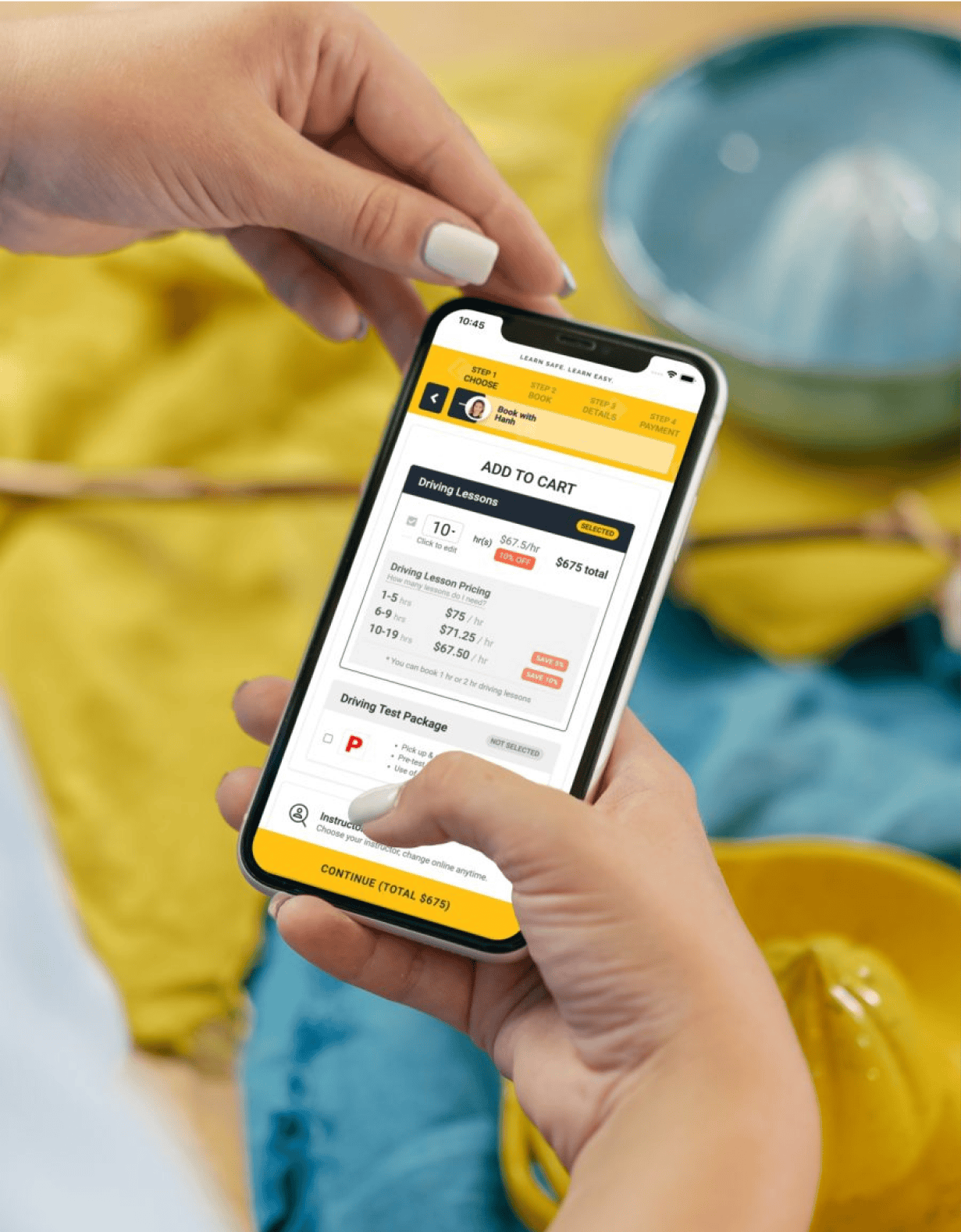
PixelForce built and still operates EzLicence, Australia's number-one driver-education marketplace. It processes more than $100 million in annual bookings, with 250,000+ lesson hours booked each year, 1,000 verified instructors, and 8,000+ five-star Google reviews on the platform. When EzLicence's financial reports would not balance, we replaced report-time reconstruction across a dozen unrelated tables with a canonical double-entry credit ledger, and every liability report now draws from one reconcilable source. A Melbourne marketplace or subscription business gets that same discipline: not a demo that looks good in a pitch, but a system whose numbers still reconcile at the end of the quarter.

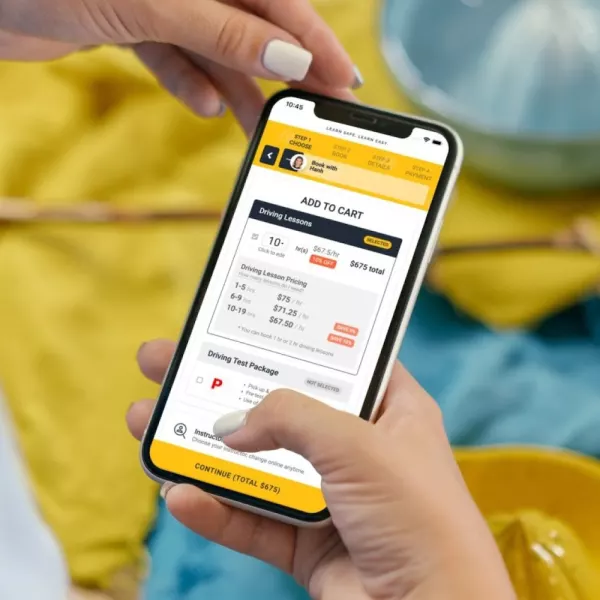
EzLicence marketplace app screen EzLicence booking flow screen
Built & operated by PixelForce $100M+ annual bookings · #1 in Australia

What it is like to work with us.

“PixelForce have been a key factor in our success. They have made our operations and systems seamless with data that enables the business and key stakeholders to make quick decisions.”
Simon Strode Managing Director, EzLicence
#1
  • Driver-education marketplace #1 in Australia
  • $100M+ in facilitated bookings
  • 250K+ lesson hours per year
  • 8,000+ five-star Google reviews

The team behind a $400M app.

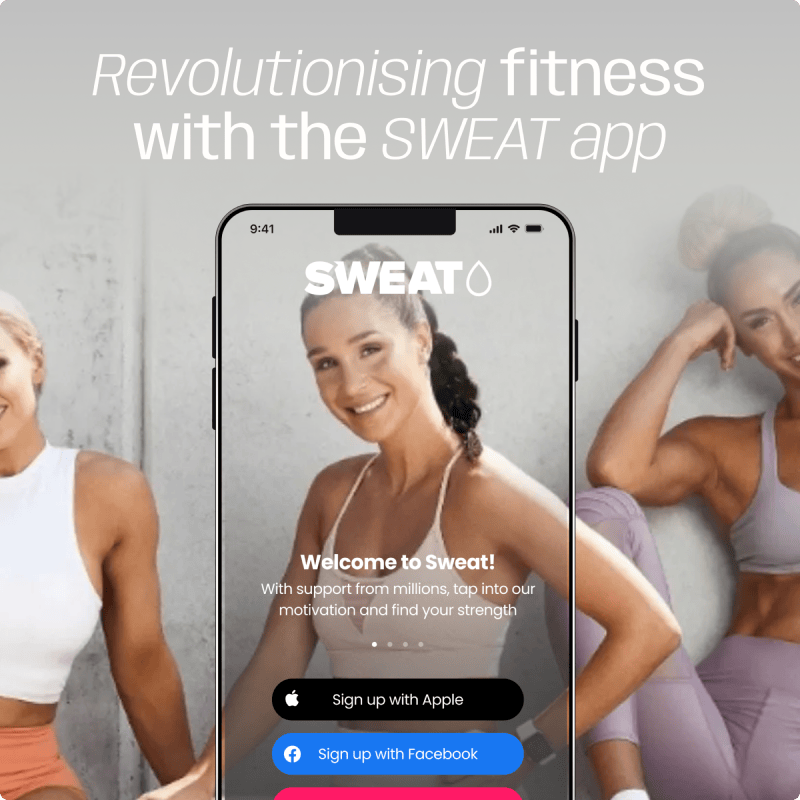
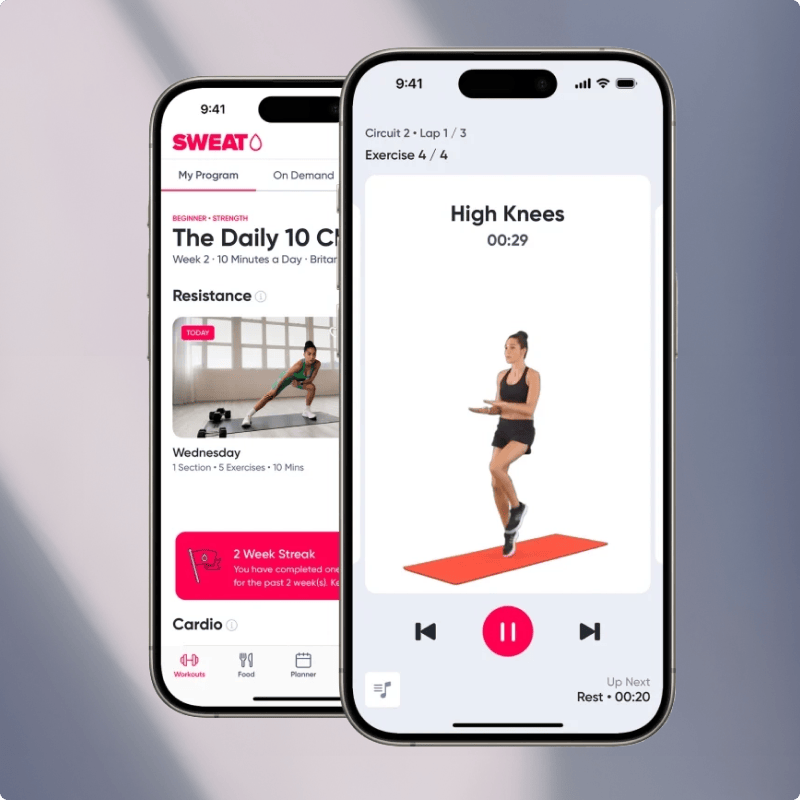
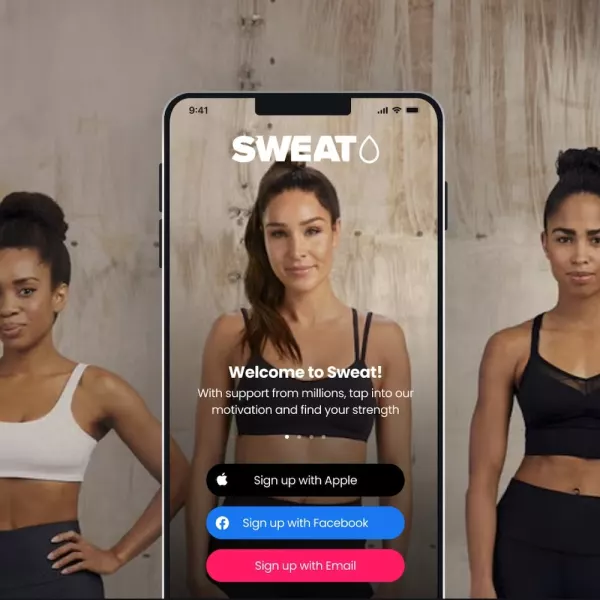
PixelForce built and scaled SWEAT, Kayla Itsines and Tobi Pearce's fitness app, from launch to a $400M acquisition by iFIT - 30 million users across 155 countries, and the platform passed Big 4 due diligence at exit. SWEAT co-founder Tobi Pearce is now a strategic investor and advisor to PixelForce. We later added multilingual support across eight languages, lifting retention 25 percent and engagement 40 percent. For a Melbourne founder with an international audience in mind, that localisation work is the difference between a product that travels and one that stalls at the border.

SWEAT app workout screen SWEAT app progress screen
Built by PixelForce $400M acquisition · 30M users, 155 countries

Recognised by Apple, Clutch and the clients who keep coming back.

Independent recognition a marketing budget cannot buy - Apple Best of Developers, Top Clutch App Development Company in Australia 2026, and consistent App Store and Google Play featuring. Melbourne buyers are rightly sceptical of agency self-description, so the Clutch reviews below are from real clients rather than from us.

Apple Best of Developers
Apple Watch App of the Year
Apple TV App of the Year
Clutch Top App Development Company
Clutch Top iPhone App Development
Clutch Top Android App Development
Clutch Top User Experience Company
Australian Technology Services Achiever
ACS Digital Disruptor Gold Award
Web Excellence Awards

One conversation.
Three phases.
Built to grow.

The same canonical PixelForce engagement model behind 100+ shipped products and $1.5B+ in combined client revenue, applied to your app. The 1-3-1 method runs through every conversation - one problem, three options with honest trade-offs across budget, timeline and scope, one recommendation. No Blueprint, no Build.

  1. 0
    Free

    Discovery call

    A free, no-obligation conversation to find the right path for your app before you commit a dollar.

    • Mutual NDA signed up front
    • 1-3-1 method: one problem, three options, one recommendation
    • Honest trade-offs across budget, timeline and scope
    • A straight answer on what a credible build looks like
  2. 1
    4-8 weeks

    Scoping & Design

    Everything you need to build with total confidence - a fully costed, designed plan with no scope surprises.

    • Strategic workshops and BRD
    • Full UX/UI design system, every screen built
    • PRD and a fixed-cost Statement of Work
    • No Blueprint, no Build - Phase 1 before any Phase 2 quote
  3. 2
    3-6 months

    Development, QA and Release

    From approved designs to your live app, built and tested at a steady sprint cadence.

    • Sprint cadence with regular demos
    • QA across iOS, Android and the edge cases
    • End-to-end App Store and Google Play submission
    • Built to scale from 1,000 to 1,000,000 users
  4. 3
    Ongoing

    Post Launch Support

    We do not disappear at launch - monitoring, warranty, and an optional retainer keep your app growing.

    • 24/7 monitoring and a critical-defect warranty
    • Ongoing technical support
    • Optional Product Retainer: four-week sprints and quarterly reviews
    • The model that grew SWEAT to a $400M platform

App development case studies.

Selected work built by our 100% in-house team for Melbourne clients and others across Australia, from startup MVPs to enterprise platforms and rescues. Pilates Obsession sits in this catalogue alongside SWEAT, EzLicence and Fitstop. Every project reflects a deliberate choice about product model, retention and scale, never a generic build.

Pilates Obsession

Pilates Obsession From Studio to Global Platform

Melbourne, Australia Pilates Obsession

How we turned Sara Colquhoun's studio expertise into a global Pilates platform in three months

The Recipe Hub

The Recipe Hub From recipe feed to nutrition platform

Gold Coast, Australia The Recipe Hub

From a 100,000-strong recipe following to a subscription nutrition app on iOS and Android.

EzLicence

EzLicence Connecting Learners & Instructors

Adelaide, Australia EzLicence

How we built EzLicence, Australia's largest marketplace for driving lessons

SWEAT

SWEAT The World's #1 Female Fitness App

Adelaide, Australia Sweat

How we helped build SWEAT, from an Adelaide startup to a global fitness platform

Move With Us

Move With Us From Technical Debt to a Platform Built to Scale

Brisbane, Australia Move With Us

A faster, more stable Move With Us, rebuilt on solid foundations without disrupting a single member.

Jones Radiology

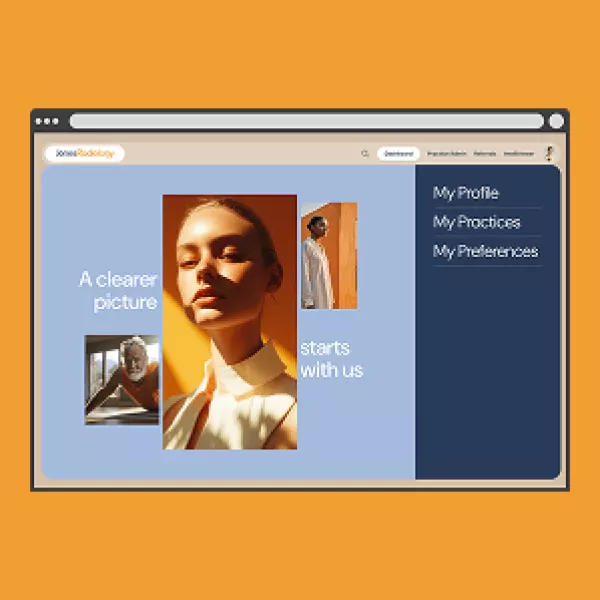
Jones Radiology Proving the product before committing to it

Adelaide, Australia Jones Radiology

A working prototype first, so the hard decisions were made before the expensive ones.

CSB

CSB The gap between paid and delivered

Gold Coast, Australia CSB

ShipBob, Klaviyo and Shopify connected in a two-week development cycle, and a spreadsheet removed from the middle of the customer experience.

OneCoach

OneCoach One brand, many programs, one CMS to run it

Sydney, Australia OneCoach

A fast coaching website - 100/100 for best practices - the OneCoach team updates in seconds

Adelaide Hills Tourism

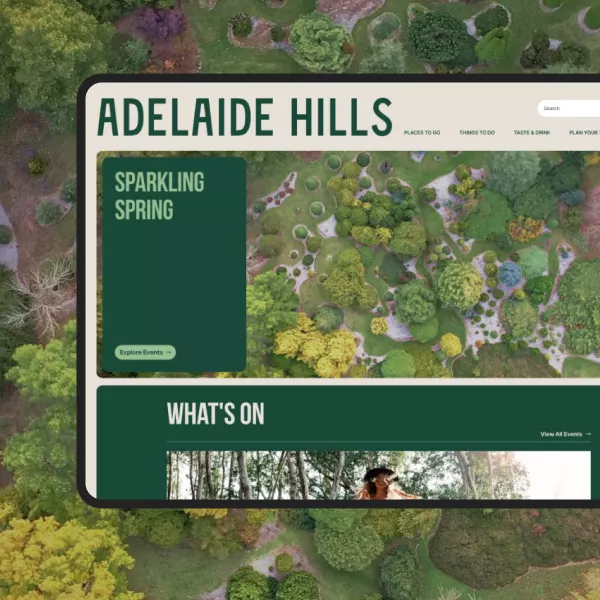
Adelaide Hills Tourism A region, not a brochure

Adelaide, Australia Adelaide Hills Tourism

One destination website carrying a whole region's operators, events and trails.

Train With Cass 2.0

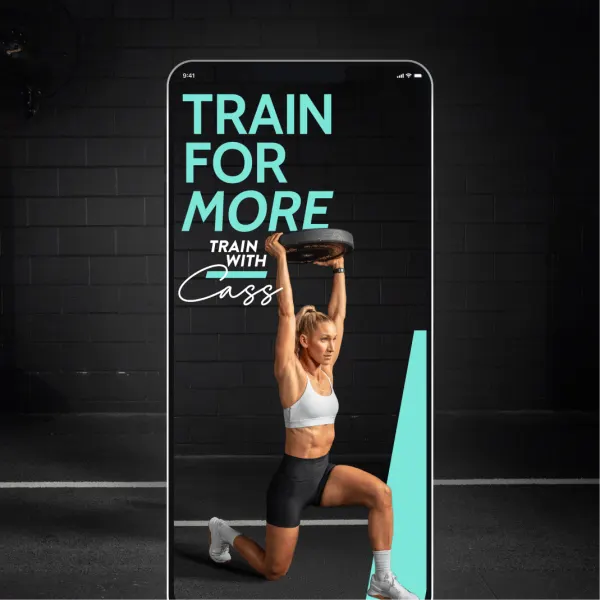
Train With Cass 2.0 One codebase, both platforms

Brisbane, Australia Train With Cass

Rebuilt on one Flutter codebase, and on Android for the first time ever on 25 March 2026.

Revia

Revia Hybrid training, without the intimidation

Brisbane, Australia Revie Jane

How we built Revia and put it at number 3 in Apple's Health and Fitness category within 48 hours of launch.

The Recipe Hub Branding

The Recipe Hub Branding From founder name to platform brand

Gold Coast, Australia The Recipe Hub

From a founder's name to a brand a whole platform could stand on.

App developers Melbourne - common questions.

What Melbourne founders, product leads and business owners ask before appointing an app development partner - cost, realistic timelines, how a remote senior team works in practice across a half-hour time difference, and what happens after launch. Straight answers from 13 years of shipping apps.

Yes. PixelForce delivers for Melbourne clients from our Adelaide headquarters with a senior in-house team, and the half-hour time difference means same-day answers rather than next-day ones. Pilates Obsession is our Melbourne case study, built and launched in 12 weeks, on budget. We hold weekly demos, keep dedicated channels for real-time communication, and fly down for workshops, launches and anything that genuinely needs a room. What we do not do is hand your project to an offshore team once the contract is signed.

We are judged on what the products did commercially, not on how the pitch looked. SWEAT, which we built and scaled, reached a $400M acquisition with 30 million users across 155 countries and passed Big 4 due diligence at exit. EzLicence, which we built and still operate, processes $100M+ in annual bookings. In Melbourne, Pilates Obsession went from brief to a full platform in 12 weeks with videos loading in under two seconds. We are an AWS Advanced Tier Partner with 15+ AWS-accredited engineers, and hold 99.99 percent uptime across 100+ shipped products.

With a fixed-scope Scoping and Design phase before any code, then discovery workshops, iterative prototyping, continuous stakeholder feedback and dedicated QA engineers testing every release across iOS, Android and the edge cases. Melbourne's health technology and retail platforms usually arrive with data problems rather than feature problems, so we run a technical audit that identifies architectural flaws, security vulnerabilities and performance bottlenecks before proposing work. Across 100+ shipped products we hold 99.99 percent uptime.

The full span from a first concept through to an enterprise platform, and the work of keeping it healthy afterwards. We deliver UX/UI app design, iOS app development and Android app development, cross-platform Flutter development, MVP and startup builds, enterprise app development, app rescue and modernisation, website design and development and progressive web apps, with managed cloud services and data analytics and insights underneath them. Melbourne clients come to us most often for health technology, retail and e-commerce, and subscription content products. Our approach is technology-agnostic: we recommend the stack your product needs, not the one that suits our margin.

Every project starts with a fixed-scope Scoping and Design phase, producing the blueprint and a fixed-cost Statement of Work before any build begins. Development is then quoted against that Statement of Work, shaped by scope: web or mobile, the number of user types, and integration and compliance needs. A Melbourne consumer product with a high design bar costs more than a functional internal tool, because the interface work is the product rather than decoration. We price with the 1-3-1 method: one clear problem, three costed options, one honest recommendation.

Timelines depend on scope and readiness. We deliver 3 to 4 month MVP launches for founders, 4 to 6 month builds for complex platforms, and 6 to 9 month enterprise solutions, each opening with a Scoping and Design phase of typically 6 to 8 weeks. Pilates Obsession is the useful Melbourne benchmark: a complete platform with structured programmes, professional video and reliable infrastructure, live within 12 weeks and on budget. For rescues we stabilise first, usually 4 to 8 weeks, before adding features.

Yes. Security updates, operating-system compatibility maintenance, performance optimisation, feature evolution, and infrastructure monitoring and alerting all continue after launch. Melbourne clients partner with us on product retainers priced per four-week cycle against a committed story-point capacity, in tiers named Steady, Growth, Scale, Velocity and Momentum, with Enterprise on application, and the tier follows from how much you intend to ship each cycle. Content-heavy and video-heavy Melbourne products need that ongoing attention more than most, because performance quietly degrades as a library grows. We have maintained platforms for 7+ years.

Any agency that answers that question with its own name is selling, so here are the three tests we would apply instead. First, ask for commercial outcomes rather than screenshots: PixelForce built and scaled SWEAT to a $400M acquisition with 30 million users across 155 countries, and built and still operates EzLicence, which processes $100M+ in annual bookings. Second, ask who actually does the work - every PixelForce product is built by a 100 percent in-house team, our own employees from first call to launch, never subcontracted. Third, ask for a track record you can check: 100+ products shipped, more than $1.5 billion in combined client revenue, number 1 on Clutch.co, and more than 30 global awards including Apple Best of Developers. Shortlist three Melbourne agencies against those tests and the answer tends to become obvious quickly.

Hiring one developer and engaging a product team are different purchases, and the comparison is usually made incorrectly. A senior mobile engineer in Melbourne carries a salary plus recruitment, on-costs, equipment and management, and the risk that they leave mid-build - and one engineer is still not a product, because you also need design, QA, backend, infrastructure and someone accountable for the release. PixelForce is engaged as a team against an agreed scope rather than by the hour: a fixed-scope Scoping and Design phase first, then a build quoted against the fixed-cost Statement of Work it produces, and a product retainer per four-week cycle afterwards if you want ongoing capacity. You are buying a shipped product rather than hours, and you get the costed comparison against a salaried hire in the first consultation.

Yes. We build native Android in Kotlin with Material Design interfaces, and PixelForce holds a Top Clutch award for Android App Development in Australia. For Melbourne retail, logistics and health products Android is often where the user volume sits, so we test on real hardware across the device spectrum rather than a single flagship in the studio. We handle Google Play billing and subscription state, background services and offline-first data with predictable conflict resolution, Google Fit and Firebase Cloud Messaging, and we run the Play Console release process end to end including staged rollouts. Android can be built natively or alongside iOS from one Flutter codebase, and we make that recommendation during Scoping and Design based on what the product actually needs. More detail on Android app development.

Yes, and the design work comes first. Every engagement opens with a fixed-scope Scoping and Design phase covering research, user flows, the full high-fidelity interface for every screen and state, an interactive prototype, a component library, and the technical architecture with a costed build plan. You own that output whether or not we go on to build it. Our designers and engineers sit in the same in-house team, which is why the interface that gets designed is the interface that gets built rather than a file the developers quietly renegotiate. Apps we have designed and built have won more than 30 global awards, including Apple Best of Developers, Apple Watch App of the Year and Apple TV App of the Year. More detail on app design and UX/UI.

Yes. One Flutter codebase serving both platforms is often the right call when time to market and budget matter more than platform-specific extremes. You are commissioning one build rather than two, so it costs materially less than shipping separate native apps, and it does not cost the experience users feel. We shipped Traininpink on iOS and Android simultaneously with Flutter in 3.5 months; it became the number one female-focused Pilates and fitness app in Italy, serving over 182,000 women, and since 2021 the platform has helped acquire over 40,000 paying subscribers. We will not recommend it automatically, though. Heavy device integration, sustained high-frame-rate rendering, complex background processing and deep platform APIs are all reasons to go native, and we say so during Scoping and Design rather than eight weeks into a build. See Flutter app development.

Yes, and for many Melbourne businesses the web app is the larger half of the project. Marketplaces, customer and admin portals, dashboards, booking and fulfilment layers, and the integration glue between systems that were never designed to talk all sit here. For Crop Shop Boutique we connected ShipBob, Klaviyo and Shopify in a 2-week development cycle, automating 100 percent of pre-shipment customer notifications and eliminating the manual CSV export workflow. After we rebuilt littlegren's online store, sales increased 300 percent year on year. The One Playground site we built scores 100 out of 100 on Lighthouse best practices with a 45-second content publish pipeline. We run the infrastructure underneath as an AWS Advanced Tier Partner with 15+ AWS-accredited engineers. See web design and development and progressive web apps.

It is the phase that decides whether the build succeeds, so it is fixed-scope and it is mandatory: no Blueprint, no Build. It covers discovery workshops on the business objective and the users, research, user flows and information architecture, the full high-fidelity interface for every screen and state, an interactive prototype you can put in front of real users, a component library, the technical architecture, and a costed build plan you can hold us to. It typically runs 6 to 8 weeks, it is quoted as a fixed cost before it starts, and it is a standalone commitment you can buy on its own. You own every artefact whether or not we build the product. Melbourne founders regularly use that output to raise, because it is the clearest thing you can show an investor short of a working app.

Yes. You own the intellectual property, the design files and the source code from day one, including everything produced during Scoping and Design whether or not we go on to build. There is no arrangement where the code stays with us and nothing is held back as leverage at renewal time. Repositories are yours, credentials are handed over, and documentation is written so another team could pick the project up if you ever wanted them to. It also means you are never locked in, which is the position we would rather earn than contract for: 90 percent of our clients come from referrals and our client partnerships run 7+ years on average.

Yes, and it is a large part of what we do. We have rescued 15+ platforms in the past 3 years, with app ratings recovered from 3.8 to 4.6 stars, crash rates typically cut 50 to 70 percent within 2 weeks, and feature development 60 to 80 percent faster after modernisation. It starts with a tech audit, quoted per platform, which reads the codebase, the architecture and the infrastructure and tells you what is salvageable and what is not. Frequently the honest answer is a targeted fix rather than the rebuild that was already budgeted for. For Move With Us, a platform with 200,000+ users, we cut crash rates 50 percent and improved app performance 40 percent with zero business interruption during the fix. See app rescue and modernisation.

We manage it end to end, which is more work than it sounds. Store listings and metadata, screenshots, privacy declarations and data-use disclosures, age ratings, subscription and in-app purchase configuration, TestFlight and internal testing tracks, phased release on iOS and staged rollout on Google Play, and the review correspondence when a reviewer asks a question. Our first-time app store approval rate is 98 percent across 100+ products shipped, which matters because a rejection is usually a two-week hole in a launch plan rather than a quick fix. If you do not yet have developer accounts we set them up, registered in your name and under your control.

Yes. A mutual NDA is signed up front, before the discovery conversation rather than after it. The discovery call itself is free and carries no obligation: we talk through what you are building, the constraints and the commercial goal, and use our 1-3-1 method to map the options across budget, timeline and scope. Nothing is quoted until a scope exists, because a quote without a scope is a guess. If you would prefer your own agreement in place rather than ours, send it through and we will work to it.

Yes, and that is often the right time to talk. Cremorne and the inner north hold a large, well-established cluster of venture-backed startups, and the output of a Scoping and Design engagement - the flows, the full interface, the prototype, the architecture and a costed build plan - is frequently what gets a Melbourne founder over the line with investors, because it turns an idea into something a partner can actually evaluate. We take on 5 to 10 clients per year rather than running high volume, so we are candid early about whether the scope and the budget can meet. If a proof of concept testing one risky assumption is the smarter first spend, we will say so rather than quote you an MVP.

What matters is the time zone, the seniority of the people on the work and who is accountable for the outcome - not a postcode. PixelForce delivers for Melbourne clients from our Adelaide headquarters with a 100 percent in-house team, half an hour behind you, so a question raised at your stand-up is answered before lunch rather than overnight. That overnight gap is the real risk people are trying to avoid when they search for a local developer, and it comes from offshore delivery rather than from interstate. You get weekly demos, direct access to the designers and engineers writing the code, and a product lead who owns the outcome, and we fly down for workshops, launches and anything that genuinely needs a room. What we do not do is hand your project to a subcontractor once the contract is signed.

Build your app with Melbourne's most trusted team.

Book a free, no-obligation consultation. We will scope your app, walk through the 1-3-1 options - one problem, three costed paths, one honest recommendation - and tell you what it takes to build and launch. You own the IP and the code from day one.

  • Free, no-obligation consultation
  • You own your IP and code
  • Top Clutch App Development Company, Australia
  • 13+ years, 100+ products shipped