Rachel Dillon is a three-time Bikini World Champion and the founder of Move With Us, a fitness platform she began in 2015 as Bodies By Rachel and grew from local bootcamps into an app used around the world. When the app moved to PixelForce, we inherited significant technical debt: outdated frameworks, inefficient code, and an application architecture with almost no documentation. Crashes struck at critical moments, class booking and workout loading were slow, and the platform could not reliably absorb the traffic spikes that followed Rachel's posts to an audience of more than two million. With a loyal, paying community depending on the app every day, instability was not a technical inconvenience - it was a direct threat to the business.

A faster, more stable Move With Us, rebuilt on solid foundations without disrupting a single member.
From Technical Debt to a Platform Built to Scale
Move With Us came to PixelForce with an established, much-loved fitness app carrying years of accumulated technical debt. Rather than a risky full rewrite, we ran a technology audit, prioritised the work by its impact on members, and modernised the platform incrementally - so the app stayed live for its global community throughout.
Fewer crashes 50%
Faster performance 40%
Transformations 200,000+
The Problem
The Solution
Rather than a high-risk rewrite, PixelForce modernised the platform incrementally, one feature area at a time, so the app never stopped serving its members. We prioritised the changes people would feel first: performance optimisation at the database layer, targeted refactoring of the worst code paths onto maintained libraries, and a safety net of automated tests to catch regressions before they reached anyone.
The Outcome
The modernised platform is materially faster and more dependable. In our own before-and-after measurements, app performance improved by around 40 percent and crash rates fell by roughly half, while member satisfaction rose about 30 percent as reliability improved. Just as important, the codebase is now documented, tested, and able to scale - so a launch to Rachel's audience is an opportunity rather than a risk.

An inherited app under strain
Rachel Dillon is an Australian fitness entrepreneur, a three-time Bikini World Champion, and the founder of two businesses: the activewear label Crop Shop Boutique and the fitness platform Move With Us. She started Move With Us in 2015 as Bodies By Rachel, coaching clients locally through bootcamps and one-to-one sessions, then took the method online as demand outgrew what she could deliver in person. Today the fitness app offers more than 25 home and gym programs, over 100 on-demand video workouts spanning Pilates, yoga, running, and mobility, and more than 1,500 dietitian-curated recipes, supported by an online community of over 95,000 people. Behind every launch sits Rachel's personal following of more than two million.
By the time the app reached PixelForce, that success carried a cost. The platform had changed hands and accumulated years of technical debt - outdated frameworks, inefficient queries, and an undocumented codebase where even small changes were risky. The constraint shaped everything: the app could not be taken offline or rebuilt from scratch, because a loyal, paying community relied on it every day. PixelForce needed to improve stability and performance for real members while re-establishing a foundation the platform could grow on, without a single disruptive big-bang release.
Inherited technical debt
Years of outdated frameworks and inefficient code had made the app unstable and slow to change.
No room for downtime
A loyal, paying community used the app every day, so nothing could be taken offline or rebuilt from scratch.
Launch-day traffic spikes
A post to an audience of more than two million could send a surge of new users to an app that could not reliably absorb it.
An undocumented codebase
Missing documentation made dependencies hard to trace and every change harder to test with confidence.



Move With Us is based in Brisbane, and PixelForce worked as a remote, embedded extension of the team, taking ownership of the platform end to end. The cadence was deliberate: prioritise the highest-impact debt, ship each change behind tests, measure the effect on real members, then move to the next area - so progress was continuous and never bet the whole app on a single release.
Hinney Lo CEO, PixelForce
Talk to our teamThe most expensive line of code is the one that should never have been written. With an inherited app, the discipline is knowing what to fix first - we let the cost-benefit analysis, not the temptation to rewrite, decide the order of the work.
Swipe to explore
Rescue by judgement, not by rewrite
PixelForce treats every technical decision as an investment decision, and platform rescue is a large part of what we do - close to a third of our work. We began not with code but with judgement: a technology audit and a cost-benefit analysis that ranked the accumulated debt by its impact on members, reliability, and future scale. A full rewrite is the tempting, high-risk option; instead we refactored incrementally, one feature area at a time, so the live app never stopped serving its community.
The first gains came at the database layer, where the slowest operations were doing far more work than they needed. We applied database optimisation - indexing, query restructuring, and a Redis caching layer - so browsing workouts and checking schedules felt immediate. Load testing revealed how the app behaved under the concurrent traffic of a promotional push, so we hardened the infrastructure with load balancing and auto-scaling to absorb spikes automatically, and added monitoring and logging to surface problems before members noticed them.
Underpinning the work was a safety net that had not existed before. We introduced automated unit, integration, and end-to-end testing across the codebase, restored disciplined version control and code review, and wrote the API documentation the previous team never left behind, so changes could be made with confidence rather than fear. Security was hardened in step, from secure coding practices to penetration testing of a platform that handles payments and personal fitness data. The result mirrors the way PixelForce runs every engagement - judgement and scoping first, disciplined build and QA second, and ongoing Post Launch Support to keep the platform reliable as it grows.
App modernisation
PixelForce has modernised and rescued platforms since 2013, turning inherited technical debt into products built to scale.
Rescue is close to a third of what we do



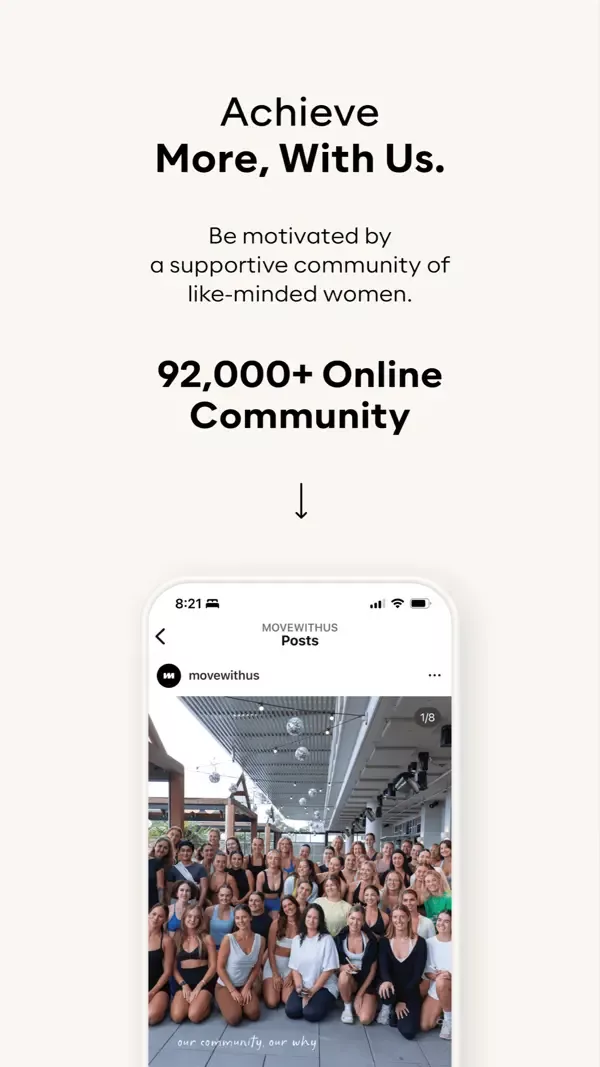

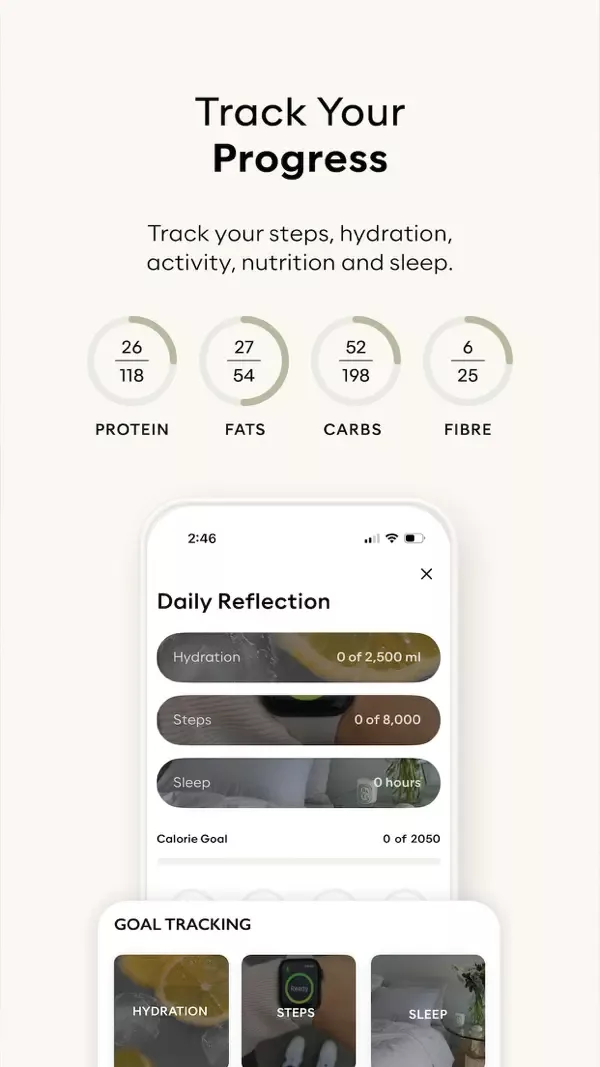
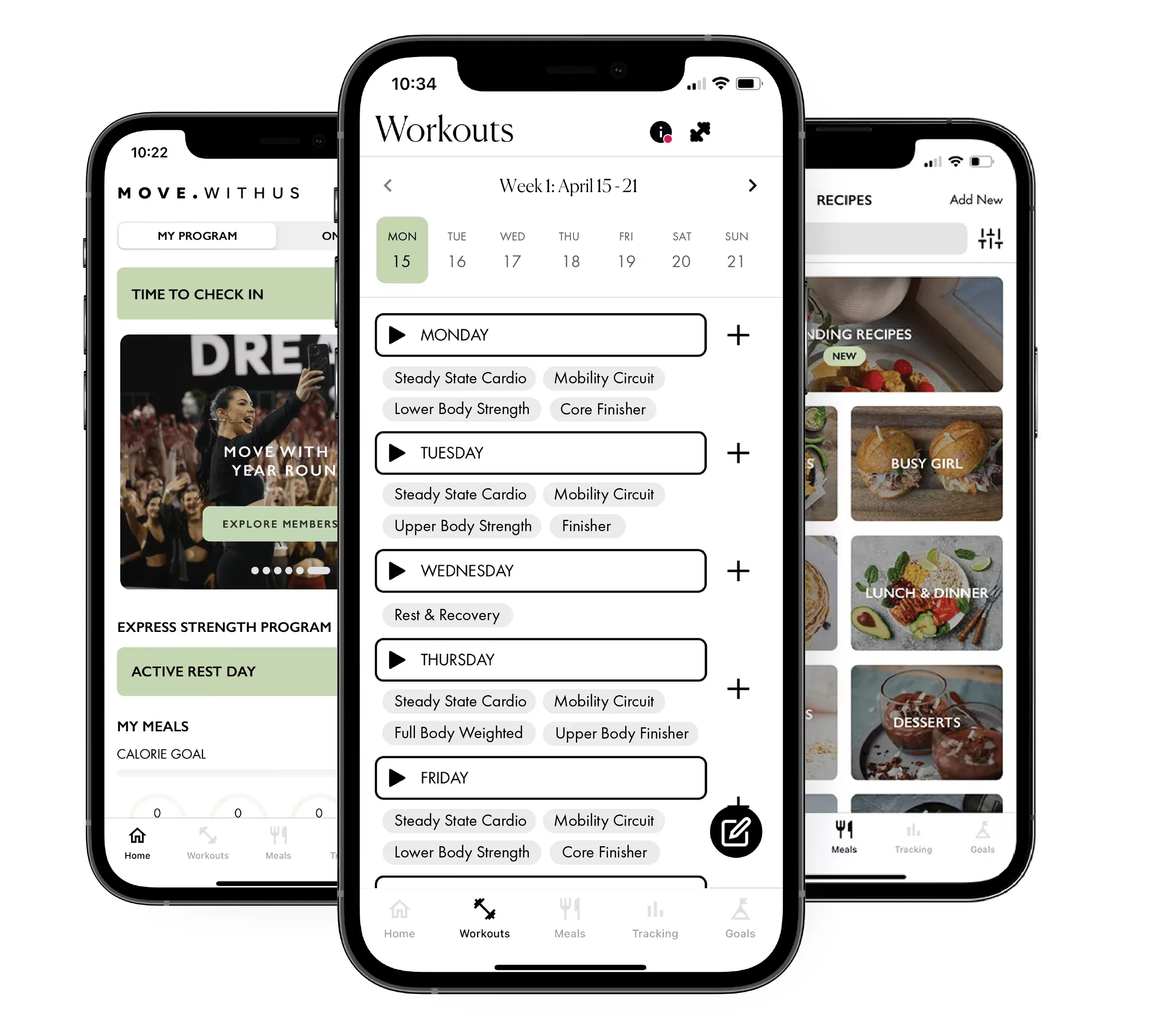
Inside the app
Members open Move With Us for guided workouts across Pilates, yoga, running, and mobility, structured training programs, dietitian-built meal plans, and progress tracking for steps, sleep, and macros - all now running on a faster, more stable foundation.
- Technology audit
- Performance
- Stability and scale
- Quality and testing
- Security
01 05
Technology audit
Every rescue begins with judgement. We audit the codebase and run a cost-benefit analysis that ranks technical debt by its impact on members, reliability, and scale - so the work is sequenced by value rather than by whatever is easiest to change.
02 05
Performance
We optimised the database layer with indexing, query restructuring, and caching, so the operations members use most - browsing workouts, loading videos, and booking sessions - respond quickly even under load.
03 05
Stability and scale
Load testing, load balancing, and auto-scaling let the platform absorb the traffic spikes that follow a launch to a two-million-strong audience, while real-time monitoring surfaces issues before members feel them.
04 05
Quality and testing
A new safety net of automated unit, integration, and end-to-end tests, with disciplined version control and code review, means changes ship with confidence instead of risk.
05 05
Security
Handling payments and personal fitness data demands care. We applied secure coding practices, hardened encryption and SSL, and ran penetration testing to close vulnerabilities before they could be exploited.
Services behind the Move With Us modernisation
Frequently Asked Questions
App modernisation improves an existing application's performance, stability, security, and maintainability without rebuilding it from scratch. For Move With Us, PixelForce reduced years of accumulated technical debt through a prioritised, incremental program of refactoring, performance, and infrastructure work while the app stayed live.
By avoiding a big-bang rewrite. PixelForce audits the codebase, ranks issues by their impact on users, and refactors one area at a time behind automated tests - so each change is verified and the app keeps serving its community throughout.
Yes. Platform rescue is close to a third of PixelForce's work. We regularly inherit apps, document the existing architecture, stabilise performance, and put the testing and monitoring in place to grow the product safely.
It depends on the scale of the technical debt and how the work is prioritised. Because PixelForce modernises incrementally, members feel the first improvements early while deeper structural work continues in the background.
In PixelForce's own before-and-after measurements, app performance improved by around 40 percent and crash rates roughly halved, with member satisfaction up about 30 percent. The platform can now absorb the launch-day traffic spikes that previously risked outages.
Cost depends on the size of the codebase and the debt within it. PixelForce begins with a technology audit and cost-benefit analysis so investment goes to the changes that return the most, and scopes the work before committing to it.
Up next
More products we have designed, built and launched end to end.