Fitstop grew from a single Queensland gym into a franchise network of more than 150 locations across Australia, New Zealand, Singapore and the United States. Expansion at that speed created a two-sided software problem. Members expected the booking and progress-tracking experience they were used to from national fitness chains. Franchise owners needed real visibility into how their own gym was performing, without waiting on head office to send it. Two audiences wanted very different things from the same platform, and in a membership business the cost of getting either one wrong is user retention.

One member app and one franchisee operations portal, running across 100+ gyms and 50,000+ active members.
From a Queensland garage to a four-country franchise
PixelForce built the Fitstop member app and the franchisee operations portal behind it - one platform covering session booking, member progress and the reporting franchise owners run their gyms on. It operates across 100+ gyms and 50,000+ active members, and lifted user retention by more than 10 percent.
Gyms on the platform 100+
Active members 50,000+
User retention increase 10%+
The Problem
The Solution
PixelForce designed and built both sides of the platform. The member app runs on iOS and Android from a single cross-platform codebase and covers session booking, live availability, waitlists, membership self-service and performance tracking. The franchisee operations portal gives owners the reporting they use to run their gym. Both read from the same data, so what a member books and what an owner reports on never drift apart.
The Outcome
The platform runs across 100+ gyms and 50,000+ active members, and lifted user retention by more than 10 percent. Fitstop has continued to expand into New Zealand, Singapore and the United States on the same foundation.
The opportunity
Fitstop was founded in 2013 by Pete Hull, a Queenslander whose motocross career ended after two serious accidents and who moved into training instead, starting with a handful of clients in his parents' garage. A second site followed, then franchising. The product is deliberately specific: the Fitstop Formula, a fusion of four session types - Lift, Perform, Condition and Sweat - run as team-based fifty-minute sessions and programmed in twelve-week blocks. Today Fitstop operates more than 150 locations across Australia, New Zealand, Singapore and the United States.
A franchise network changes what software has to do. Each gym trades semi-independently, but every member belongs to one brand and expects one experience, and every franchisee is running a business whose revenue is recurring. That makes the app the shared asset: it is where members book, train and see their progress, and it is where owners find out whether their gym is working. Fitstop came to PixelForce for a fitness app that served both audiences from one platform, and that would keep serving them as the network kept opening locations.
Two audiences, one platform
Members needed a fast way to book sessions and see progress. Franchise owners needed reporting on how their gym was performing. Both had to come out of the same system rather than two disconnected products.
A network that kept growing
Fitstop has passed 150 locations across four countries. Every new gym had to join the platform as a configuration change, not a development project.
Retention is the business model
Memberships are recurring revenue. Anything that made a session easier to book, or progress easier to see, went straight to the commercial result.
Booking under peak load
Sessions are fifty minutes and run to a fixed timetable, so demand arrives in spikes. Availability, waitlists and notifications had to hold up when a whole network books the same evening slot.

Fitstop runs from Brisbane and PixelForce works from Adelaide and Sydney, so the engagement was structured to be effective without a shared office. Requirements were settled in focused workshops rather than a long tail of meetings, and the product was defined in writing before development started, which is what makes a distributed engagement work. Decisions were tested against two questions throughout: what does this change for the member standing in the gym, and what does it change for the franchisee reading the numbers on Monday morning.
Hinney Lo Founder & CEO, PixelForce
Book a consultationFranchise software answers to two owners at once. The member judges it on whether a session takes ten seconds to book. The franchisee judges it on whether the numbers on the screen are numbers they can act on. Scoping is where you decide how to serve both from one platform, instead of building two products that disagree with each other.
Swipe to explore
How we built it
The engagement started with Phase 1 Scoping and Design. Workshops turned the brief into a Business Requirements Document, a full UX/UI design, a Product Requirements Document and a fixed-cost Statement of Work. Scoping and design always precedes development at PixelForce - no development quote is issued without a completed blueprint. On a two-sided platform that discipline matters more than usual, because the hard decisions are about which audience each shared piece of data serves first, and those decisions are cheap on paper and expensive in code.
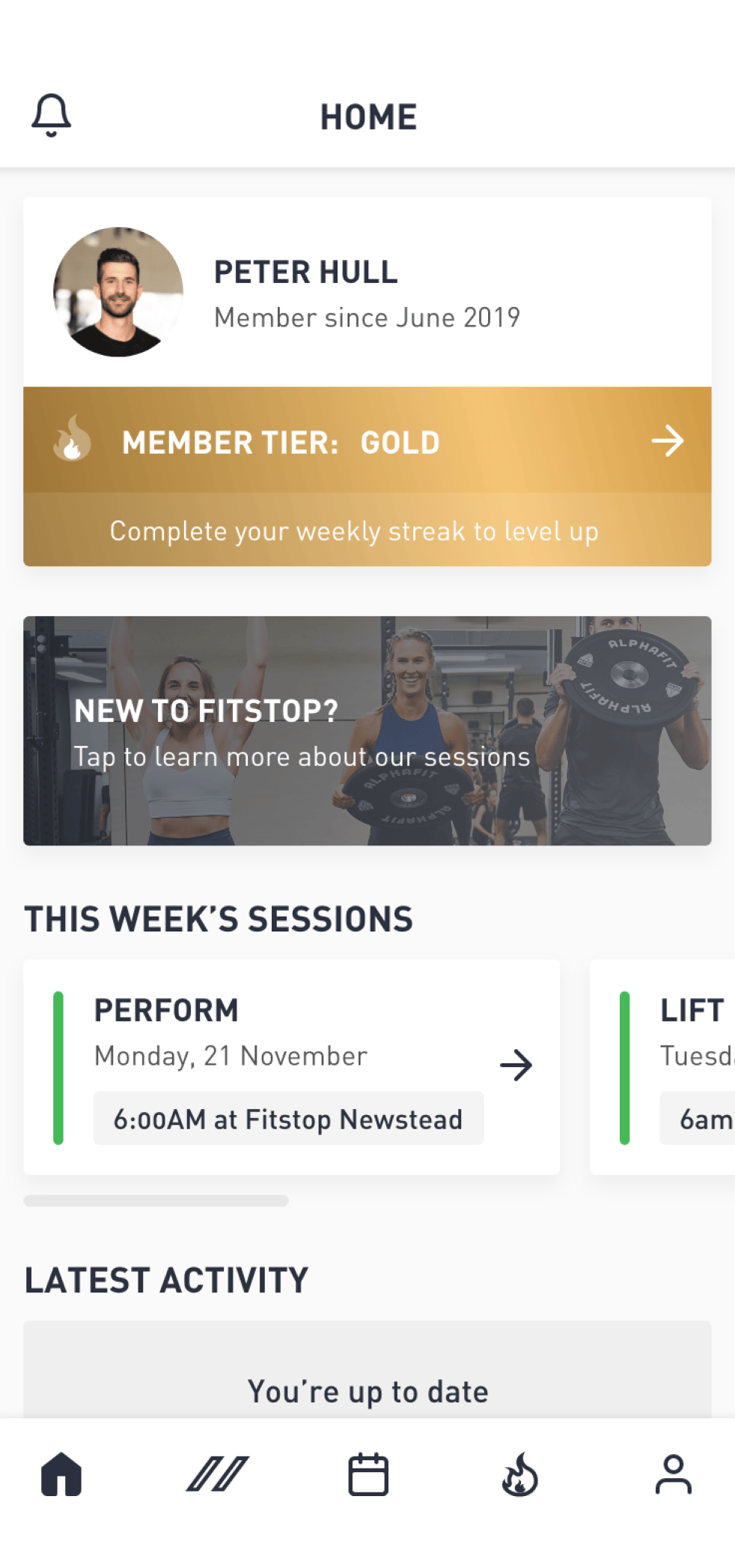
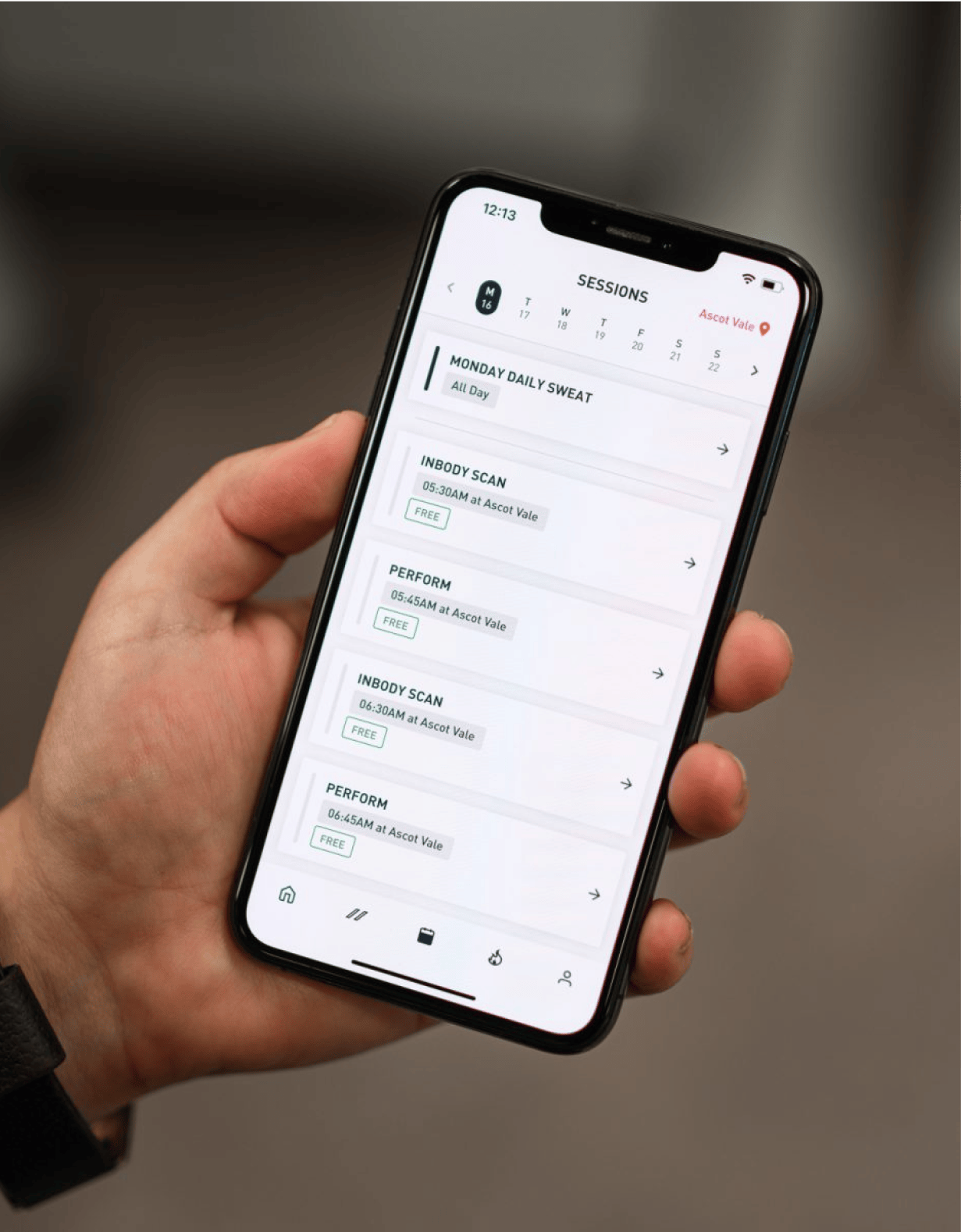
The member app was built for iOS and Android from a single cross-platform codebase. Booking is the centre of it: members see live session availability, book a whole week in one pass, join a waitlist when a session is full and receive a push notification the moment a place opens up. Bookings sync into the member's own calendar. Membership handling is self-service, so a member can pause, refer a friend, update their profile or buy a class pack without contacting the gym. A Performance Zone holds the tracking side of the experience, with streaks and tiers giving members a visible reason to keep the habit going between sessions.
The franchisee operations portal is the other half of the build, and the half a member never sees. It gives owners reporting on their own gym drawn from the same live data the member app writes to, so booking activity and business performance are one record rather than two. Because the platform is multi-site by design, its architecture treats a new location as another tenant on an existing system rather than a new deployment - which is what allowed the network to pass 100 integrated gyms and keep going. Every release moves through structured quality assurance before it reaches a gym floor.
The Fitstop Formula
Lift. Perform. Condition. Sweat.
Fifty-minute sessions, programmed in twelve-week blocks, booked from a phone.
- Multi-booking
- Live availability and waitlists
- Calendar sync
- Membership self-service
- Performance Zone
- Franchisee operations portal
01 06
Multi-booking
Members lock in every session for the week ahead in a single pass rather than returning to the app each day. For a training model built on a weekly progression across Lift, Perform, Condition and Sweat, planning the week is the natural unit, and booking it that way removes the friction that breaks a streak.
02 06
Live availability and waitlists
Session availability is shown live, so a member sees what is actually open at their gym rather than a static timetable. When a session is full they join the waitlist, and a notification reaches them the moment a place opens up. Popular evening slots turn over constantly, and the waitlist is what converts that turnover into an attended session instead of an empty spot.
03 06
Calendar sync
Bookings sync into the member's own calendar. It is a small feature with a direct effect on attendance: a session that appears alongside the rest of someone's day is far harder to double-book over or forget.
04 06
Membership self-service
Members pause a membership, refer a friend, update their details and buy class packs or memberships from the app, and see exactly where their plan stands. Every one of those actions used to be a conversation at the front desk. Handling them in the app returns staff time to coaching and gives the member an answer immediately.
05 06
Performance Zone
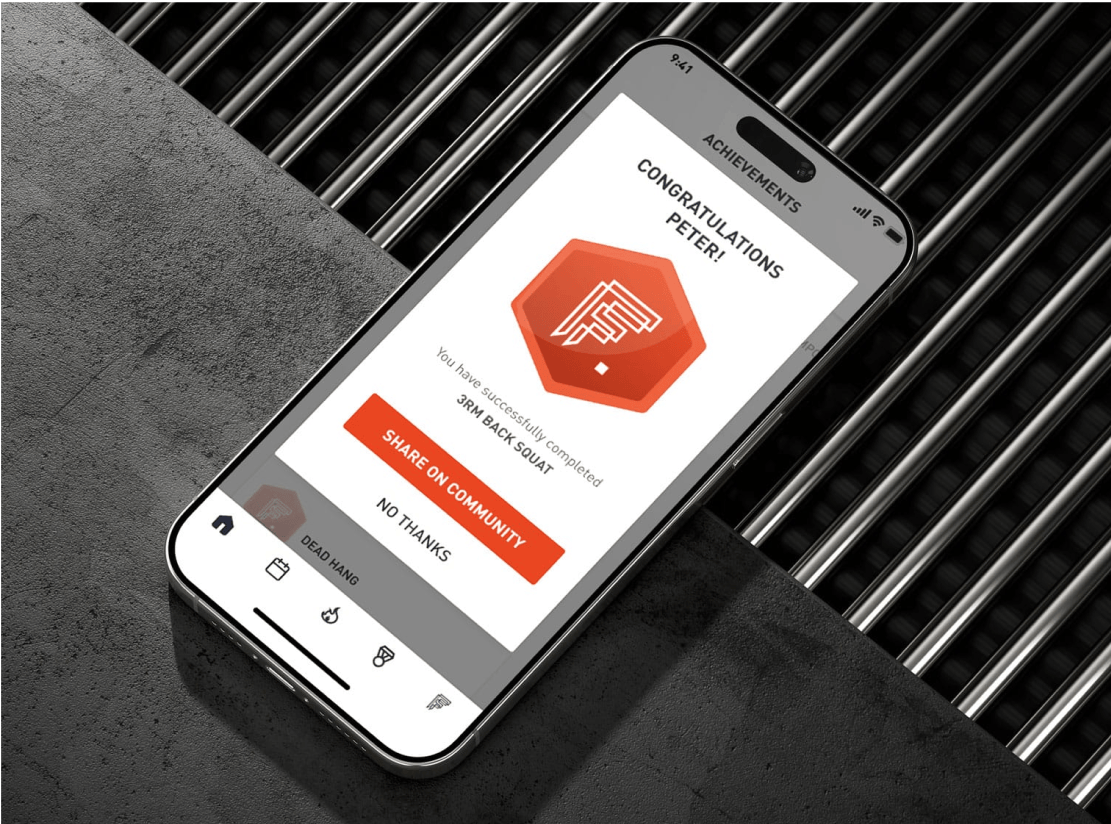
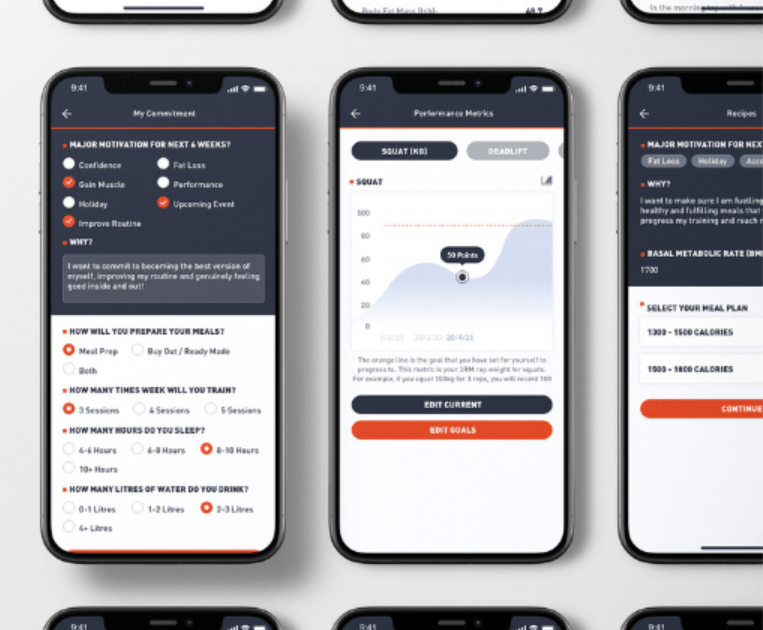
The Performance Zone holds the tracking side of the experience, including performance trackers, streaks and tiers, and a recipe library. Fitstop programs strength and conditioning in twelve-week blocks, so progress is a long arc. Making that arc visible between sessions is what keeps members in it.
06 06
Franchisee operations portal
The portal is the franchise-side product. Owners get reporting on their own gym drawn from the same live data the member app writes to, so what members are booking and how the business is performing are one record. Across the network that reporting now spans 100+ gyms.
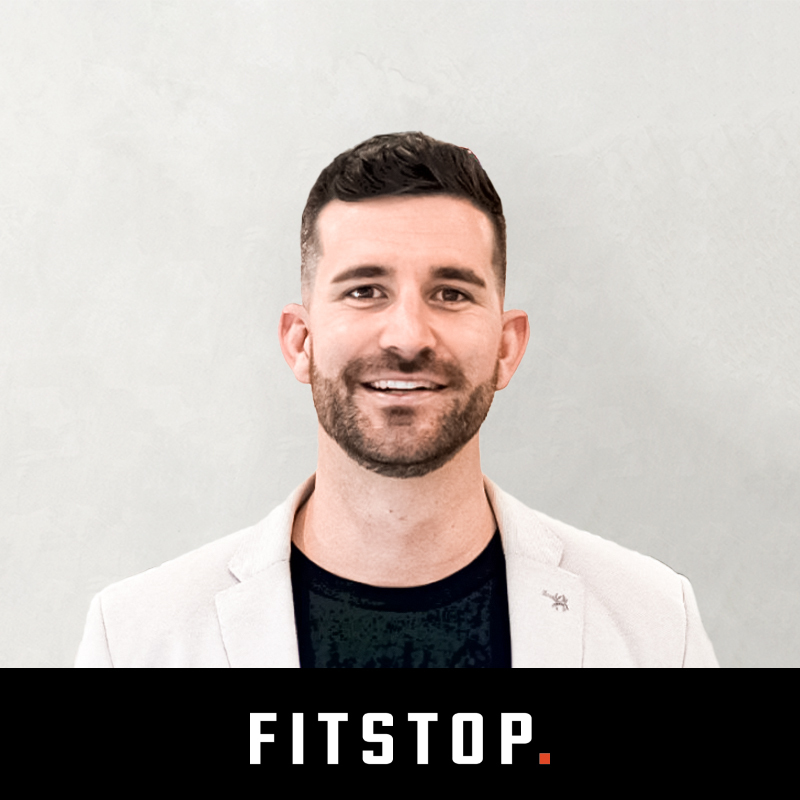
Peter Hull Founder & CEO, Fitstop
The PixelForce team has been fantastic with building an operations portal that could bring the Fitstop business to the next level.Fitstop
Services in the Fitstop build
Frequently Asked Questions
PixelForce, an Australian digital product agency, built the Fitstop member app and the franchisee operations portal behind it. The platform runs across 100+ gyms and 50,000+ active members, and lifted user retention by more than 10 percent. Fitstop is an Australian functional fitness franchise founded in 2013 by Pete Hull, now operating more than 150 locations across Australia, New Zealand, Singapore and the United States.
The Fitstop app is a free member app for booking and tracking functional fitness sessions. Members book multiple sessions for the week ahead, see live session availability, join waitlists and get notified when a place opens, sync bookings to their calendar, manage their membership including pausing and referrals, buy class packs and memberships, and track progress in a Performance Zone with streaks and tiers.
Cost depends on scope, and scoping and development are priced separately. At PixelForce, Phase 1 Scoping and Design comes first, and the full development build is quoted against the fixed-cost Statement of Work that it produces. A franchise platform costs more than a single-audience app because it is two products - a member app and an operations portal for franchisees - rather than one. The exact cost is fixed in that Statement of Work at the end of Scoping and Design, before development starts.
A franchise gym platform is a two-sided build, so it takes longer than a single-audience app. PixelForce runs every engagement in the same sequence: a free consultation, then Phase 1 Scoping and Design producing a Business Requirements Document, UX/UI design, a Product Requirements Document and a fixed-cost Statement of Work, then Phase 2 Development, QA and Release, then Phase 3 Post Launch Support. The timeline is fixed at the end of Phase 1, once the feature set is agreed, rather than estimated before the product is defined.
A franchisee operations portal is the business-side application that sits behind a member app and gives each franchise owner reporting on their own location. A gym franchise needs one because franchisees run semi-independent businesses on recurring membership revenue: they need to see booking activity and performance for their own site directly, rather than requesting it from head office. In the Fitstop platform the portal and the member app read from the same live data, so member activity and business reporting are a single record.
Yes. A multi-site fitness app is built so that each location is a tenant on one shared platform rather than a separate deployment, which means a new gym is onboarded as configuration instead of a development project. The Fitstop platform PixelForce built operates across 100+ gyms and more than 150 locations in four countries, with each site carrying its own timetable and availability under one brand and one member experience.
It can, when it removes friction from the actions that drive attendance. For Fitstop, the member app and franchisee operations portal PixelForce built lifted user retention by more than 10 percent across a network of 100+ gyms and 50,000+ active members. The mechanisms are unglamorous: booking a whole week in one pass, live availability with waitlists so a full session still converts, calendar sync so a booking is not forgotten, and visible streaks and tiers that make a twelve-week training block feel like progress.
The member app runs on iOS and Android, built from a single cross-platform codebase so both platforms ship from one source. The franchisee operations portal is a web application, which suits the reporting work franchise owners do at a desk rather than on a gym floor.
Yes. Phase 3 Post Launch Support is a standing part of every PixelForce engagement, offered either as a warranty, monitoring and support retainer or as a full product retainer for clients who want continuous development. For a franchise platform that keeps adding locations, ongoing support is not optional - the product has to keep pace with the network.
Up next
More products we have designed, built and launched end to end.
Schnuzzle Selling a sense you cannot photograph
A store built to sell a product nobody can smell through a screen, with a 200 percent return on investment within the launch period.

The EzLicence Handbook Seven years of decisions, in one place
An AI knowledge system that consolidated seven years of product evolution, shipped in 4 weeks.