Chloe Condon had built a following of more than 100,000 people around macro-friendly recipes, but her community did the real work in two places at once - reading recipes on a website and logging the macros by hand in MyFitnessPal. The content and the tracking never lived together, and none of it was hers.

From a 100,000-strong recipe following to a subscription nutrition app on iOS and Android.
From recipe feed to nutrition platform
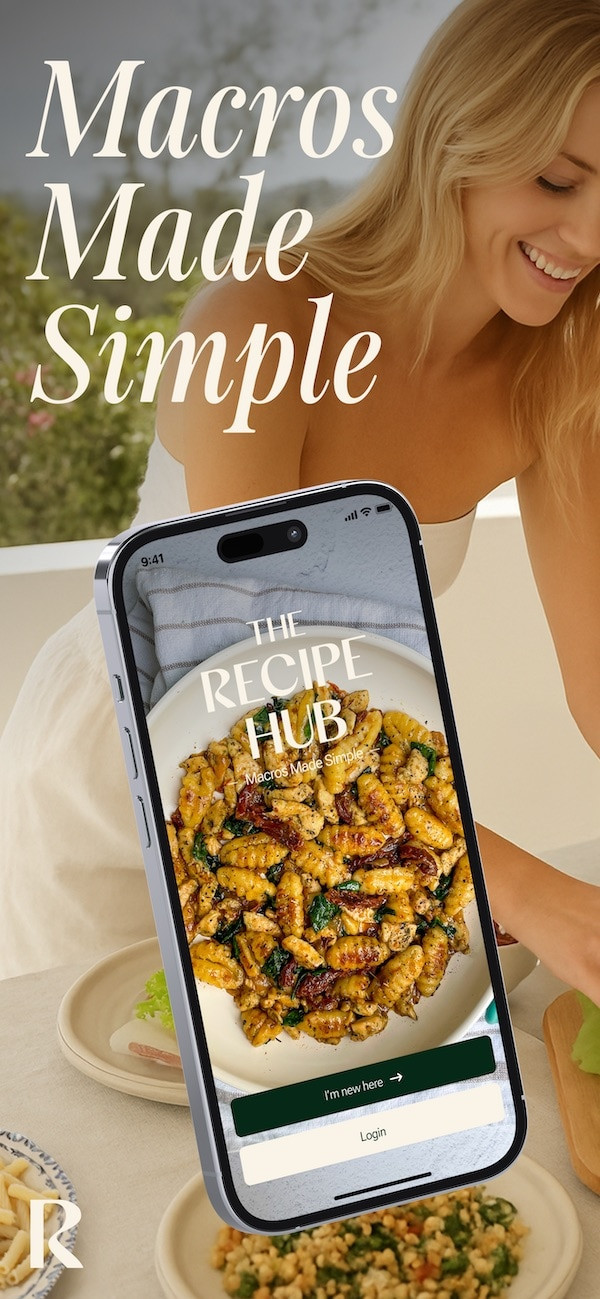
PixelForce scoped, designed and built The Recipe Hub - a cross-platform iOS and Android app that turns Chloe Condon's macro-friendly recipe following into a subscription nutrition platform, with recipes, macro tracking, grocery lists and meal planning in one branded home.
Clutch client rating 5 ★
Cross-platform launch iOS + Android
Macro-friendly recipes 800+
The Problem
The Solution
PixelForce designed and built a single branded app for iOS and Android where Chloe's recipes, macro tracking, grocery lists and personalised targets finally live in one place. A quiz-driven onboarding flow tailors calorie and macro goals to each user, and native in-app subscriptions let Chloe monetise the audience she had already built.
The Outcome
The result is a functional, scalable platform that launched on both app stores with more than 800 recipes carried across, a clear path for existing subscribers to move over, and room to grow. Chloe rated the engagement five out of five on Clutch, and the partnership continues as new features ship - meal planning among them.
The opportunity
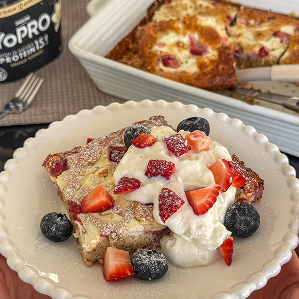
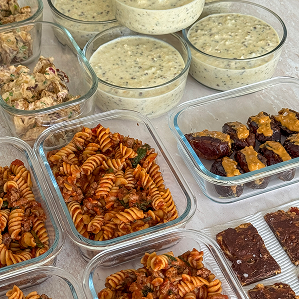
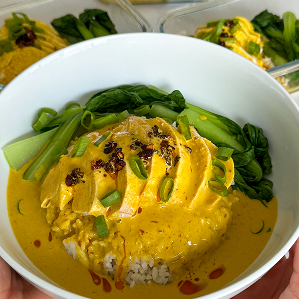
Chloe Condon built one of Australia's most engaged macro-friendly recipe communities. As an online nutrition coach posting under the Eating with Chloe brand, she grew a following of more than 100,000 people around a simple idea: food that fits your macros does not have to be joyless or complicated. Every recipe she shared came with a full calorie and macronutrient breakdown, and her audience cooked from them daily.
There was a gap between the content and the tools. Her community loved the recipes but logged them by hand in MyFitnessPal, copying ingredients and macros from a website into a separate tracking app. Chloe wanted to close that gap with a single branded home - one place to discover her recipes, track macros against a personal goal, and shop for the week. She came to PixelForce with an engaged audience ready to move and a clear commercial window, which made getting a focused first version to market quickly the priority.
A fragmented routine
Recipes lived on a website and in ebooks. Tracking happened in MyFitnessPal. Chloe's community moved between two products to do one thing.
An audience ready to move
More than 100,000 engaged followers were already cooking Chloe's recipes. The app had to beat the workaround they already used.
A tight launch window
Speed and budget were the priority levers, so the first release needed a deliberately focused scope to reach both app stores without drift.
Built to grow
The platform had to launch lean but leave room for the features Chloe planned next, meal planning chief among them.
The engagement began in June 2025 and continues today. PixelForce works as Chloe's product team - designing, building, testing and releasing - with a cadence that keeps her close to the decisions. New features and recipes ship on a regular rhythm rather than in a single drop.
Chloe Condon Founder & Director, The Recipe Hub
They took the time to understand both the business and the long-term goals. The team has been responsive to feedback and works collaboratively with us to address changes. That level of alignment and care was a key differentiator for us.
Swipe to explore
How we built it
PixelForce started with Phase 1 Scoping and Design. Two workshops turned Chloe's vision into a Business Requirements Document, a full UX/UI design, a Product Requirements Document and a fixed-cost Statement of Work. Because speed and budget were the priority, scoping was where the hard calls were made: the first release was shaped as a focused minimum viable product, with the larger meal-planning feature deliberately sequenced for a later phase. Scoping and design always precedes development at PixelForce - no development quote is issued without a completed blueprint.
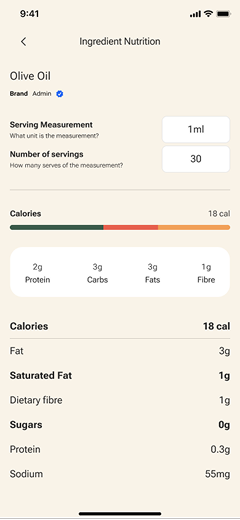
Development used a single cross-platform Flutter codebase to deliver native-quality iOS and Android from one source, which was essential to the timeline and the budget. A mandatory onboarding quiz calculates each user's calorie and macro targets against a weight goal, then the app carries that personalisation everywhere: a recipe library with full calories, macros and fibre per serve, dynamic ingredient scaling by serving size, macro tracking with progress rings, automatic grocery lists, custom lists and a barcode scanner for packaged foods. Authentication runs through Auth0 with email, Google, Apple and Facebook sign-in.
Behind the app, a content management system lets Chloe publish and tag recipes herself, with a CSV import that migrated her existing library rather than rebuilding it by hand. Subscription billing runs through native Apple and Google in-app purchases on monthly and annual plans. Every release moves through structured quality assurance before submission. Since launch the partnership has continued: the meal-planning feature held back from the first release is now live, alongside further additions built on the same foundation.
From feed to platform
Discover, log, shop and plan the week - all under Chloe's brand.
800+ macro-friendly recipes, tracked in one app
The core experience
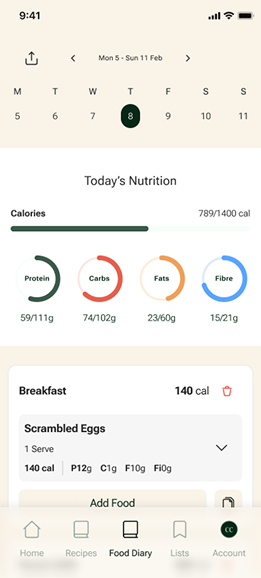
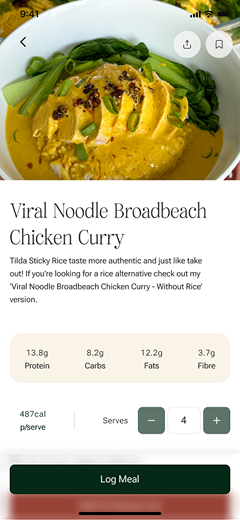
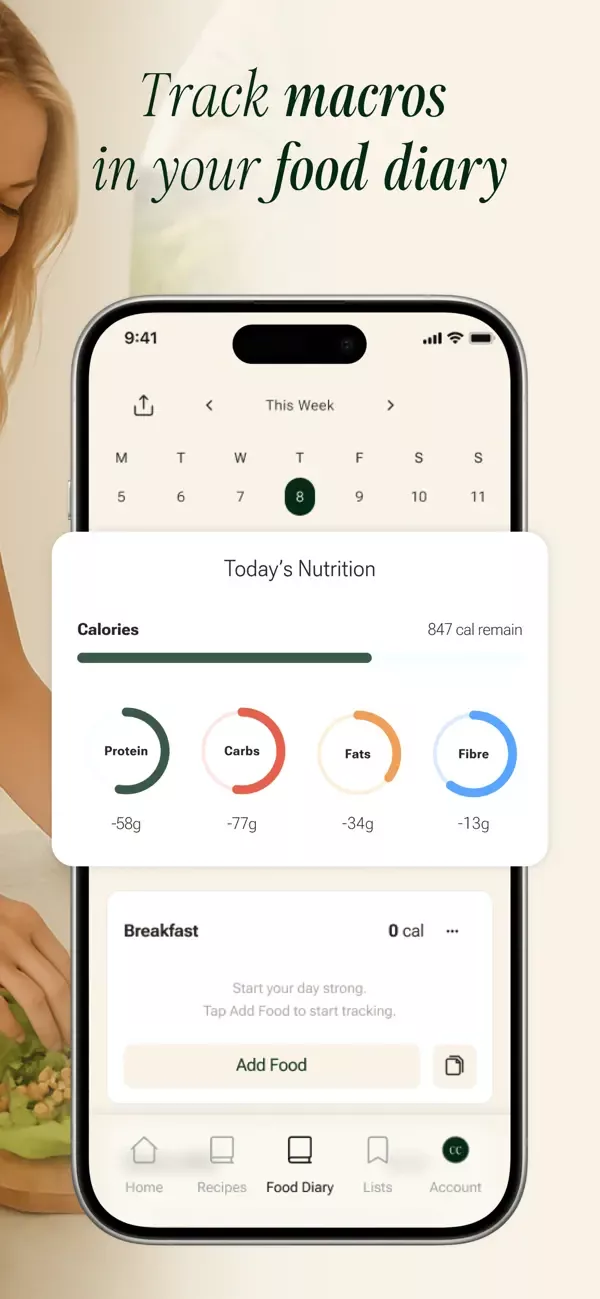
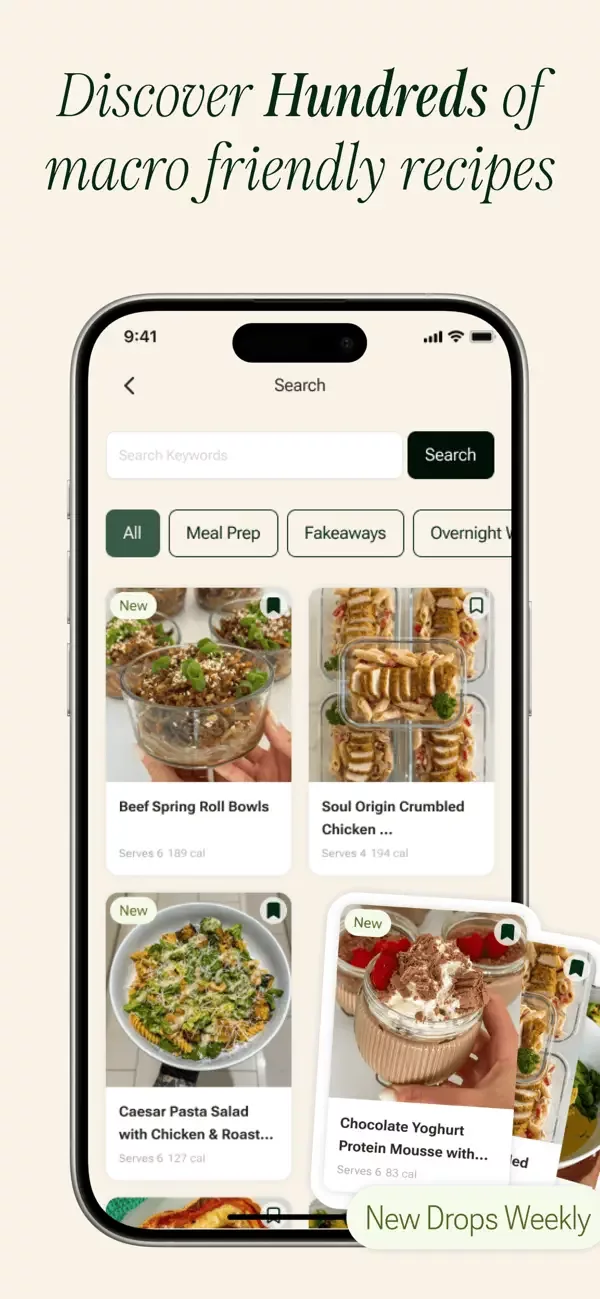
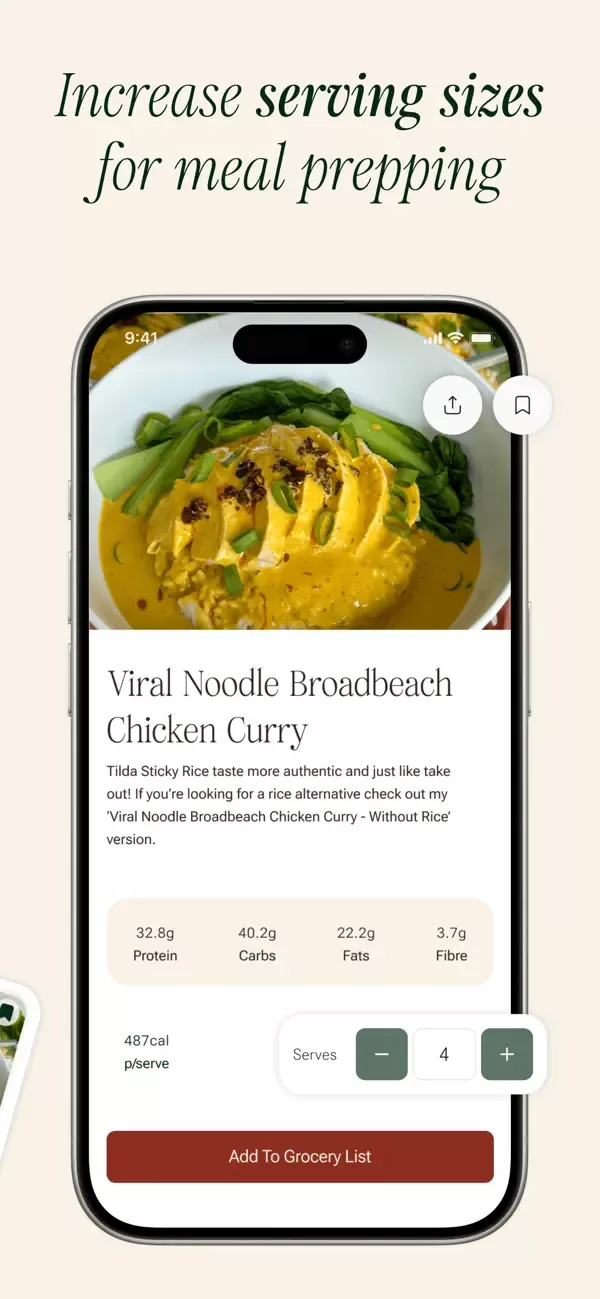
Open the app and everything points back to your goal. The home screen greets you by name, shows your macro rings for the day, and puts search, your grocery list and your goal one tap away. Recipes display full nutrition per serve and scale their ingredients as you change the serving size, so what you cook and what you log always match.
- Personalised onboarding
- Recipe library
- Track and plan
- Grocery lists
- Barcode scanner
- Subscriptions
01 06
Personalised onboarding
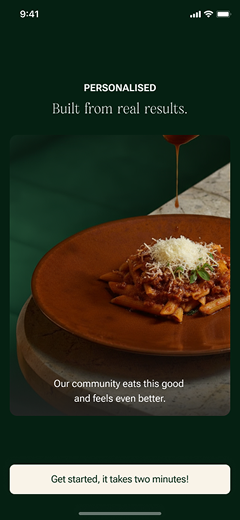
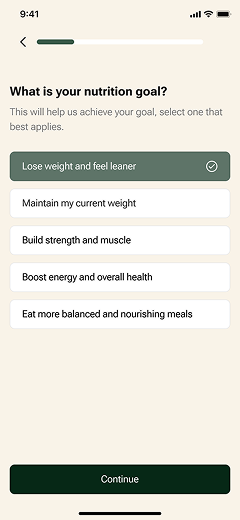
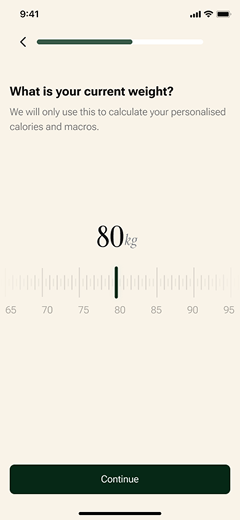
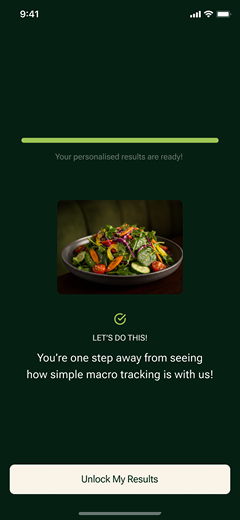
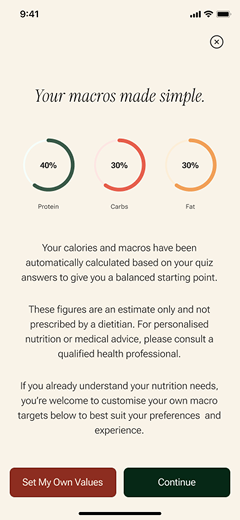
A mandatory quiz asks about goals, body metrics and the meals a user wants to log, then calculates personalised calorie and macro targets tied to whether they want to lose weight, maintain or build strength. Users can fine-tune their own macro split and calorie count at any time.
02 06
Recipe library
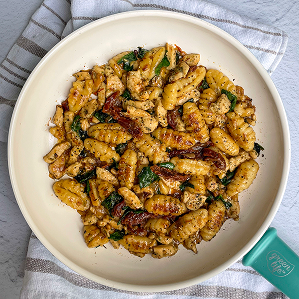
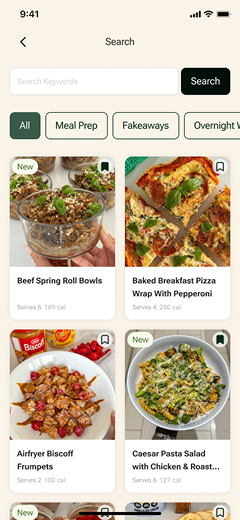
Hundreds of Chloe's macro-friendly recipes, each with full calories, macros and fibre per serve. Ingredients scale automatically with serving size, cook time and difficulty show when set, and a cooking mode keeps the screen awake at the stove. New recipes are added every week.
03 06
Track and plan
Users log meals against their daily targets and watch their macro rings fill. A weekly view lets them plan and copy meals across days, and the calorie count stays positive by showing what is remaining rather than flashing red over budget.
04 06
Grocery lists
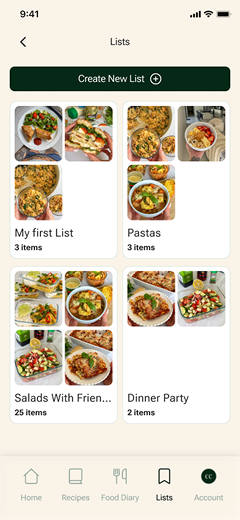
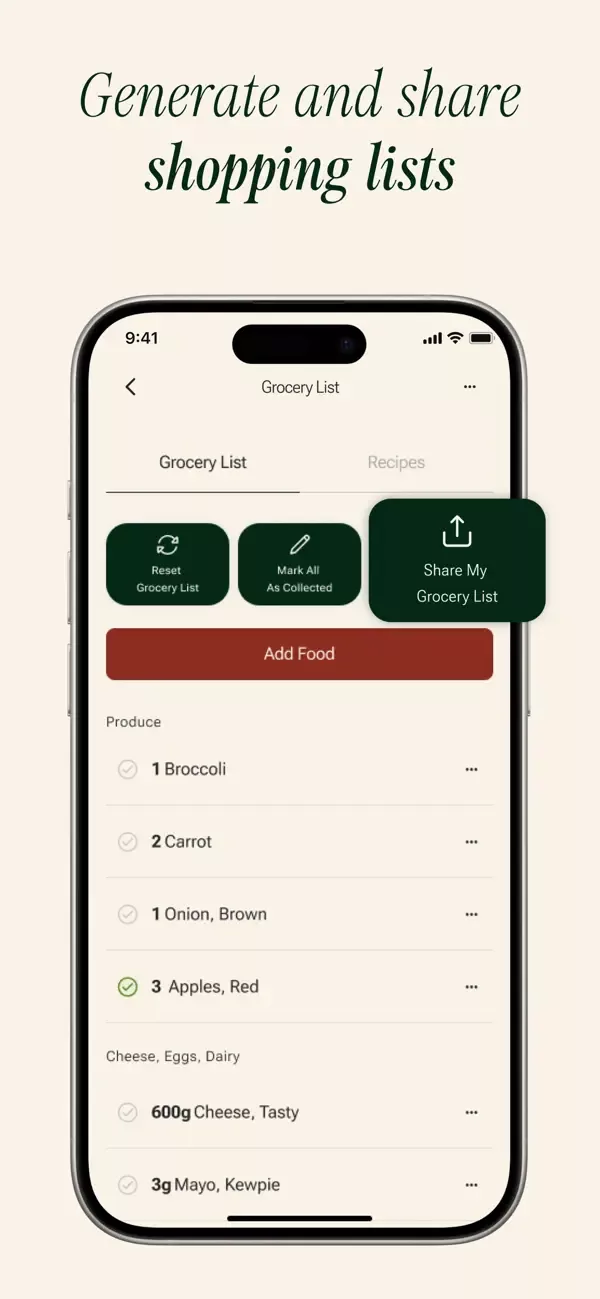
Any recipe can be added to an automatic grocery list, grouped by section and shareable to family by native share. Adjusting a serving size updates the ingredient quantities on the list.
05 06
Barcode scanner
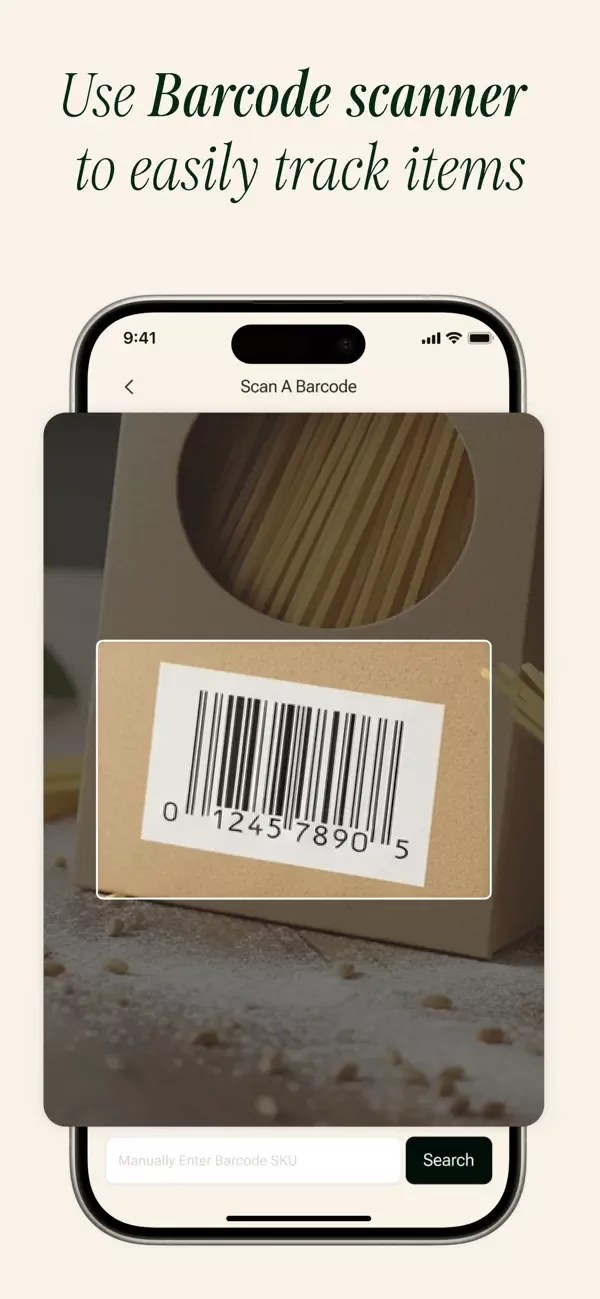
A built-in barcode scanner logs packaged foods straight from the supermarket shelf, adding them to the user's own food library for fast repeat logging.
06 06
Subscriptions
The Recipe Hub runs on native in-app purchases through Apple and Google, on monthly and annual plans, so Chloe can monetise her audience directly inside the app.
Services behind The Recipe Hub
Frequently Asked Questions
PixelForce designed and built The Recipe Hub for Australian nutrition coach Chloe Condon. The work covered UX/UI design and full iOS and Android development, and the partnership is ongoing.
The Recipe Hub was scoped as a focused MVP so it could reach both app stores quickly. PixelForce begins every build with Phase 1 Scoping and Design - workshops, a Business Requirements Document, UX/UI design, a Product Requirements Document and a fixed-cost Statement of Work - before any development starts.
Cost depends on scope. Scoping and Design and development are priced separately, and a full MVP build is quoted against the fixed-cost Statement of Work that Scoping and Design produces. The exact cost is set during Scoping and Design once the feature set is agreed.
iOS and Android, built from a single cross-platform codebase using Flutter - one codebase delivering both platforms without sacrificing a native feel.
Through native in-app subscriptions on Apple and Google, offered on monthly and annual plans.
Yes. PixelForce built a content management system with CSV import so Chloe could migrate her existing recipe library rather than re-entering hundreds of recipes by hand.
Yes. The Recipe Hub is an ongoing partnership - since the first release PixelForce has continued to design, build and ship new features, including weekly meal planning.
Up next
More products we have designed, built and launched end to end.