User-centered design and accessibility built into the product.

Research, prototyping and interface design for products that have to work for everyone who uses them - including the people assistive technology serves. Design decisions tested with real users before they become expensive to change.

  • Research and usability testing with real users

  • WCAG-aligned accessible interfaces

  • Clickable prototypes before the build

  • 100% in-house · Adelaide HQ

8Languages, one codebase
98%First-time app store approval
100+Products and apps shipped
13+ yrsIn-house since 2013

Three points where design saves money.

Design is cheapest when it happens before code exists. These are the three moments where a small amount of it prevents a large amount of rework.

Research before wireframes

Watching people do the task today, including the workarounds nobody writes down. This is where assumptions get killed cheaply. It routinely changes the scope, because the thing everybody agreed to build turns out to solve a problem users do not have, or to miss the step that actually costs them time.

  • Stakeholder and user interviews
  • Observation of the real task
  • Journey mapping
  • Assumptions written down and tested
Prototype before build

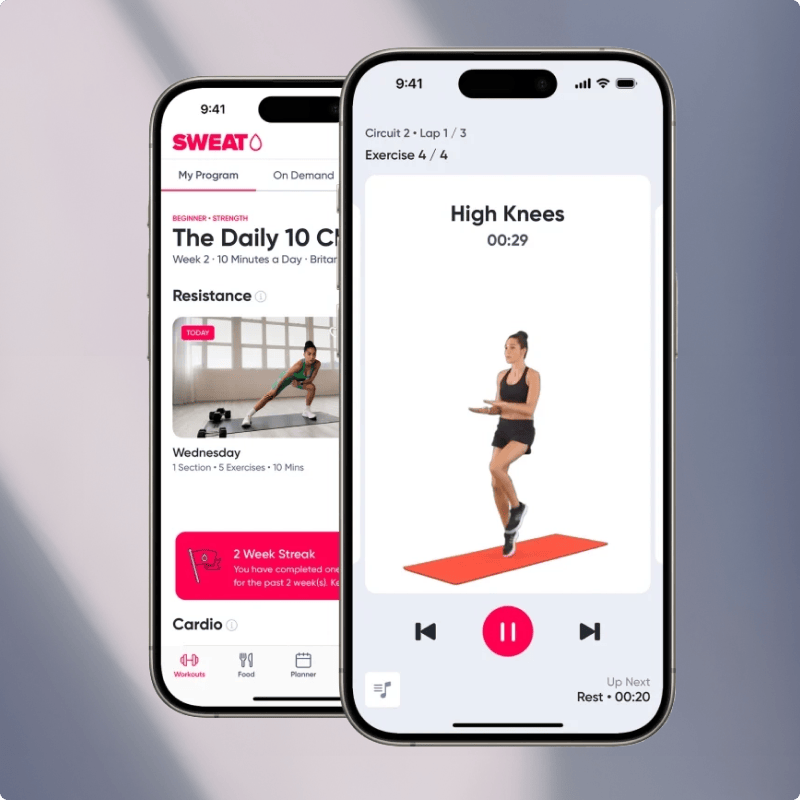
A clickable prototype turns a disagreement about a feature into a five-minute test with a real user. For Jones Radiology we built a prototype and proof of concept covering referral tracking before any production build, so the hard decisions were made before the expensive ones. Changing a prototype costs hours; changing shipped software costs weeks.

  • Clickable prototypes
  • Usability testing with real users
  • Proof of concept for risky parts
  • Decisions made before development

Accessibility in the design system

Most accessibility failures are structural - heading order, semantics, focus management, contrast in the component library. Fixed in the design system they are close to free; retrofitted across a shipped product they are a project. Building them in also improves the product for people who are simply tired, rushed or on a bad screen.

  • Contrast and focus states in tokens
  • Semantic component library
  • Keyboard paths designed
  • Tested with assistive technology

Eight languages, one codebase.

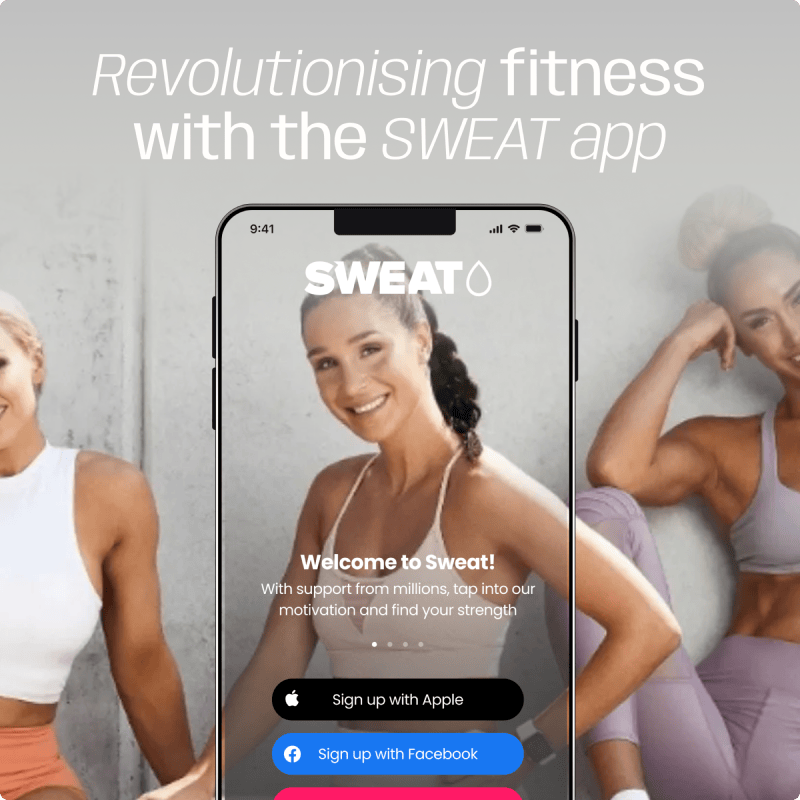
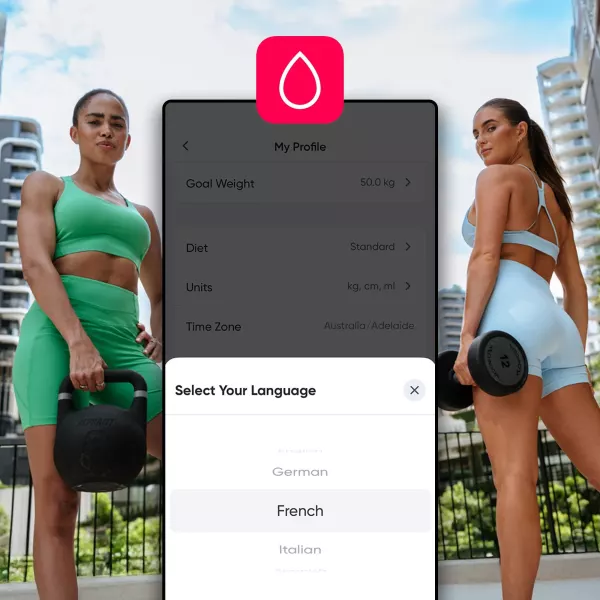
PixelForce localised SWEAT into eight languages without forking the product. That is a design outcome more than a translation one: the layout has to tolerate text expanding by a third, the content model has to separate copy from structure, and dates, numbers and currency have to follow the locale rather than the developer's assumptions. Designing for it costs very little up front. Retrofitting it into a product that assumed English is close to a rebuild, which is the same economics as accessibility.

SWEAT app in a localised language SWEAT app screen
Localised into 8 languages · one codebase

Why teams come to us for web accessibility audit services.

An audit is only useful if it tells you what to do next. These are the four things we do differently.

Tested with assistive technology

Automated checkers catch a minority of real accessibility problems and miss most of the ones that actually block someone. We test with screen readers and keyboard-only navigation, because a page can pass every automated rule and still be impossible to complete.

  • Screen reader testing
  • Keyboard-only navigation
  • Focus order and management
  • Automated checks as a floor

Prioritised, not a wall of issues

The output is a ranked list of what breaks, for whom, and what it takes to fix - not a several-hundred-row export nobody actions. We separate the structural fixes that resolve many symptoms at once from the individual instances.

  • Ranked by user impact
  • Structural fixes identified first
  • Effort estimated per item
  • Retest after remediation

Fixed at the system level

Where the same failure repeats across a product, the fix belongs in the design system rather than on each page. Contrast, focus states and component semantics fixed once stop the problem recurring in everything built afterwards.

  • Design token remediation
  • Component library fixes
  • Patterns documented
  • Regression prevented by default

Design and build in one team

We can implement what the audit recommends rather than hand over a document. 100% in-house in Adelaide means the designer and the developer are on the same team, which removes the usual gap where recommendations quietly do not get built.

  • Audit and remediation together
  • 100% in-house · Adelaide HQ
  • 98% first-time app store approval
  • Post Launch Support available

Our design and accessibility services.

Research, prototyping, interface design and accessibility, delivered as Phase 1 - Scoping and Design, or as standalone work on an existing product.

User research

Interviews, observation and journey mapping to establish what people actually do, before anyone draws a screen.

  • Stakeholder and user interviews
  • Contextual observation
  • Journey and service mapping
  • Findings that change scope

Prototyping and testing

Clickable prototypes tested with real users, so the expensive decisions are made while they are still cheap to change.

  • Clickable prototypes
  • Moderated usability testing
  • Proof of concept builds
  • Iteration before development

Interface and visual design

The designed product itself - screens, states, motion and the design system that keeps it consistent as the product grows.

  • Full screen and state design
  • Design system and tokens
  • Interaction and motion
  • Developer handoff

Accessibility audit

WCAG-aligned review tested against real assistive technology, delivered as a prioritised remediation plan rather than a compliance document.

  • WCAG-aligned review
  • Screen reader and keyboard testing
  • Prioritised remediation plan
  • Retest after fixes

Localisation design

Designing so the product can carry other languages without forking, as we did taking SWEAT into eight languages on one codebase.

  • Layouts tolerant of expansion
  • Copy separated from structure
  • Locale-aware formatting
  • Right-to-left considered

Post-launch design work

Using real behaviour to find where the design fails in practice, then fixing that specifically rather than redesigning on instinct.

  • Behaviour-led design changes
  • Funnel and drop-off analysis
  • Four-week iteration cycles
  • Change measured after release

Independent recognition for the team behind this work.

Apple Best of Developers, Watch and TV App of the Year, ACS Digital Disruptor Gold, and Top Clutch App Development Company in Australia. The kind of recognition you cannot buy with a marketing budget - earned by shipping software people use every day.

Apple Watch App of the Year
Clutch Top User Experience Company
Apple TV App of the Year
Apple Best of Developers
Clutch Top App Development Company
Australian Technology Services Achiever
Web Excellence Awards (Website)
Web Excellence Awards (App)
ACS Digital Disruptor Gold Award

One conversation.
Three phases.
Built to grow.

The same canonical PixelForce engagement model behind 100+ shipped products and $1.5B+ in combined client revenue, applied to your digital product. The 1-3-1 method runs through every conversation - one problem, three options with honest trade-offs across budget, timeline and scope, one recommendation. No Blueprint, no Build.

  1. 0
    Free

    Discovery call

    A free, no-obligation conversation to find the right path for your digital product before you commit a dollar.

    • Mutual NDA signed up front
    • 1-3-1 method: one problem, three options, one recommendation
    • Honest trade-offs across budget, timeline and scope
    • A straight answer on what a credible build looks like
  2. 1
    4-8 weeks

    Scoping & Design

    Everything you need to build with total confidence - a fully costed, designed plan with no scope surprises.

    • Strategic workshops and BRD
    • Full UX/UI design system, every screen built
    • PRD and a fixed-cost Statement of Work
    • No Blueprint, no Build - Phase 1 before any Phase 2 quote
  3. 2
    3-6 months

    Development, QA and Release

    From approved designs to your live digital product, built and tested at a steady sprint cadence.

    • Sprint cadence with regular demos
    • QA across iOS, Android and the edge cases
    • End-to-end App Store and Google Play submission
    • Built to scale from 1,000 to 1,000,000 users
  4. 3
    Ongoing

    Post Launch Support

    We do not disappear at launch - monitoring, warranty, and an optional retainer keep your digital product growing.

    • 24/7 monitoring and a critical-defect warranty
    • Ongoing technical support
    • Optional Product Retainer: four-week sprints and quarterly reviews
    • The model that grew SWEAT to a $400M platform

Frequently asked.

User-Centered Design questions from founders, operators and product leads.

Designing around evidence of what people actually do rather than assumptions about what they want. In practice it means research before wireframes, prototypes tested with real users before development, and measurement after launch to check the design did what it was meant to. The point is to make the expensive mistakes on paper rather than in code.

An audit checks a product against the Web Content Accessibility Guidelines and, more importantly, against real assistive technology. That covers keyboard navigation, screen reader semantics, colour contrast, focus order, form labelling and error handling, and content structure. The output is a prioritised list of what breaks, for whom, and what it takes to fix - not a compliance certificate.

Because most accessibility failures are structural - heading order, semantics, focus management, contrast in the design system - and structural problems are cheap to prevent and expensive to retrofit. Building it in also improves the product for everyone: clear focus states, readable contrast and sensible keyboard behaviour help users who are tired, rushed or on a bad screen.

It is where the hard decisions get made while they are still cheap. For Jones Radiology we built a clickable prototype and proof of concept covering referral tracking before any production build, so the difficult questions were answered before the expensive ones. A prototype turns a disagreement about a feature into a five-minute test with a real user.

Yes, and it changes the design rather than just the text. We localised SWEAT into eight languages without forking the product, which means the layout tolerates text expansion, the content model separates copy from structure, and dates, numbers and currency follow the locale. Retrofitting localisation into a design that assumed English is a substantial rebuild.

Design is Phase 1 - Scoping and Design, which comes before any development commitment and typically runs $35,000 to $65,000. It produces the research, the prototype and the costed plan. No Blueprint, no Build: we do not quote a development price for something nobody has designed yet, because that price would be fiction.

Let us design your product.

Tell us who has to use this and what happens when they cannot. We will come back with three options, honest trade-offs across budget, timeline and scope, and one clear recommendation.

  • Top Clutch App Development Company · Australia
  • 100% in-house · Adelaide HQ
  • 100+ products and $1.5B+ client revenue
  • Free consultation · NDA on request