CRM development services and business portals that people actually use.

Custom CRM, CMS and internal portals for organisations that have outgrown spreadsheets and off-the-shelf tools. We build the system around how your team already works, integrate the tools you already pay for, and ship it in months rather than years.

  • Custom CRM, CMS and internal portals

  • Integrates Xero, HubSpot, Mailchimp and your stack

  • Enterprise-grade security and access control

  • 100% in-house · Adelaide HQ

90%Faster billing at OpBill
4 mthsOpBill concept to launch
100+Products and apps shipped
13+ yrsIn-house since 2013

Three shapes a business portal usually takes.

Most custom CRM development and portal work resolves into one of these three. Knowing which one you are building changes the data model, the permissions and the cost, which is why it is the first thing we settle in Scoping and Design.

Internal operations portal

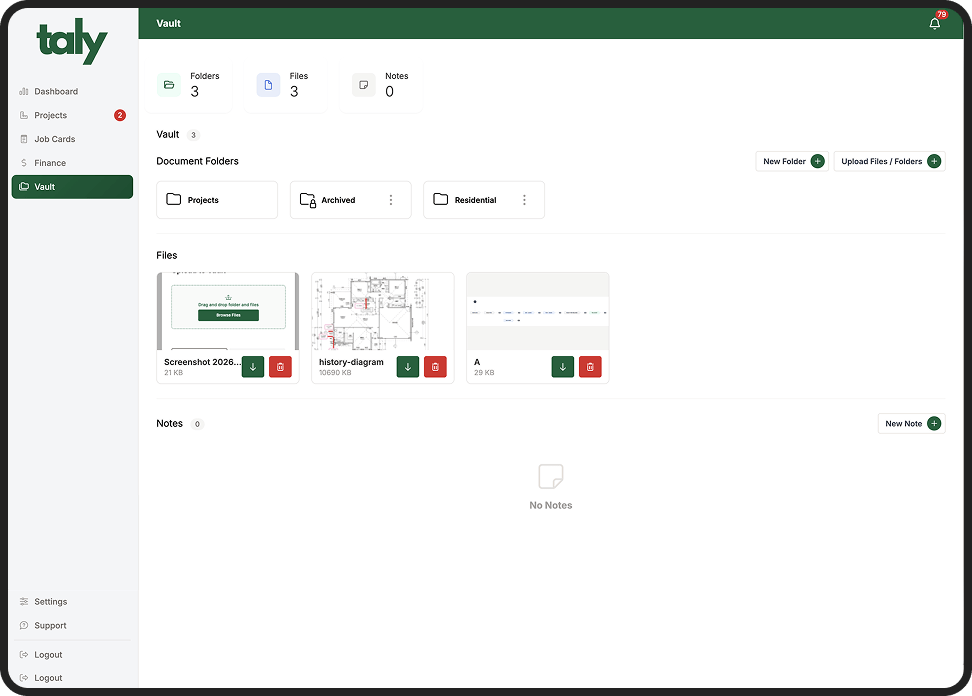
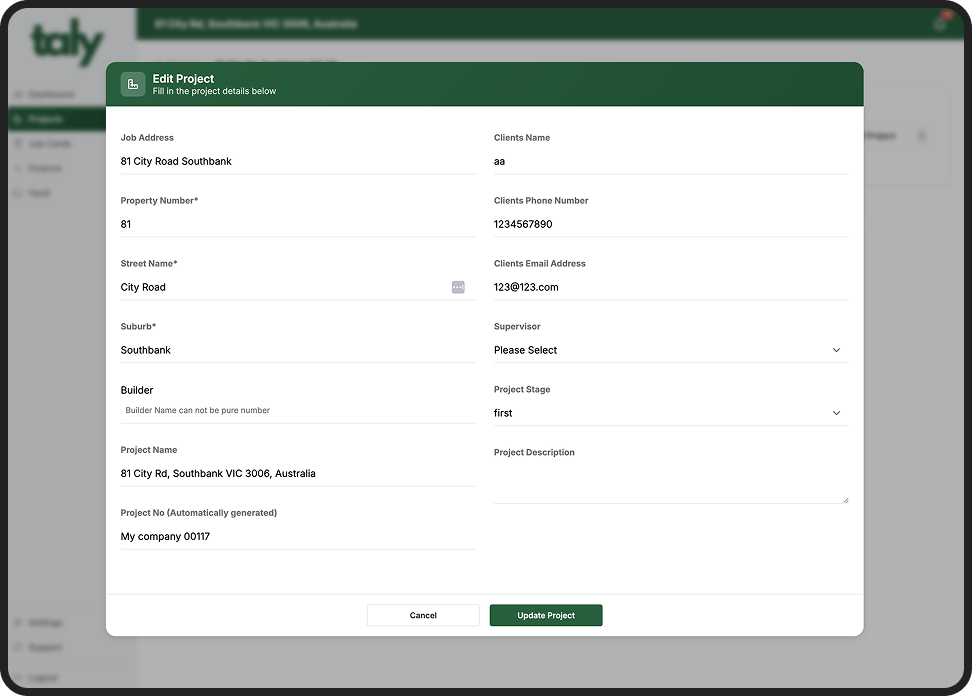
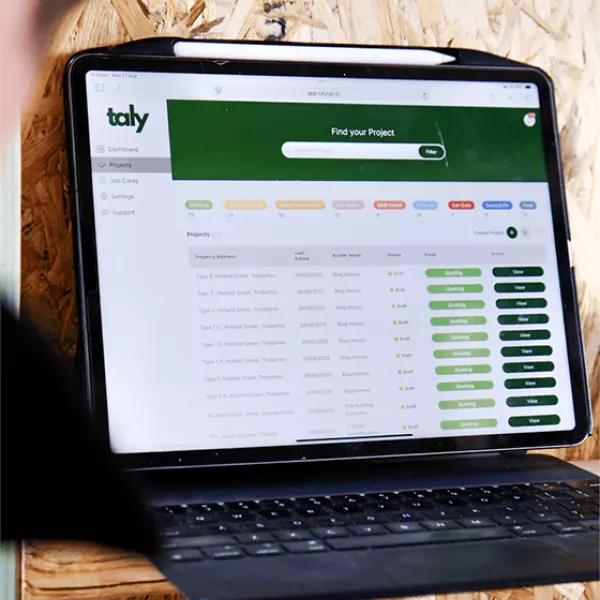
The system your team lives in all day. Jobs, stages, scheduling, documents and numbers in one place instead of a spreadsheet, a shared drive and a group chat. Taly is the reference: PixelForce built it so a trade business can see the plan, the job card and the numbers live, with the office and the site looking at the same thing at the same time. These builds succeed or fail on whether the people doing the work will actually open them.

  • Job, project and stage tracking
  • Real-time sync across office and field
  • Role-based permissions per team
  • Documents and records in one place

Customer or member portal

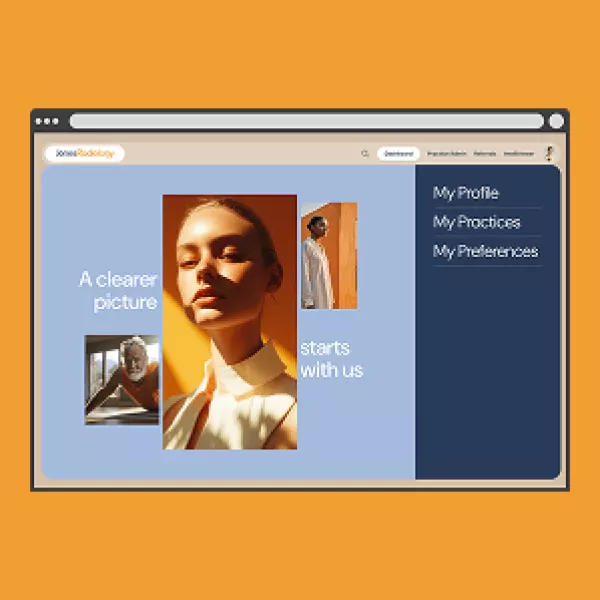
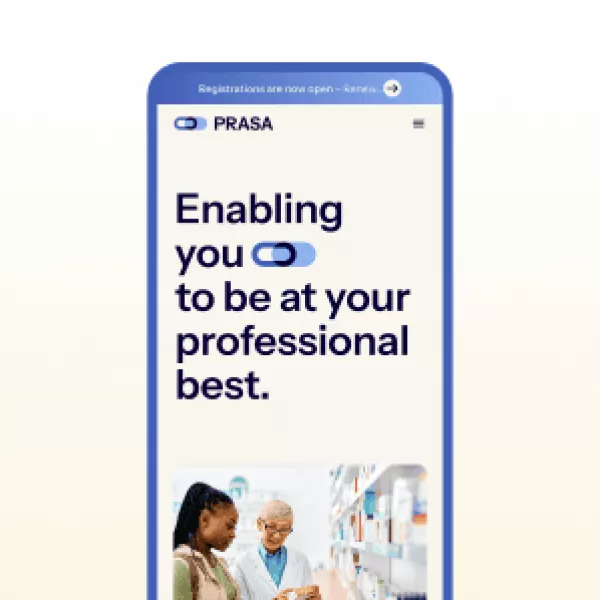
A logged-in space for the people you serve - customers, members, practitioners or applicants. It carries the forms, records and self-service that would otherwise arrive as email and phone calls. PRASA is the reference: PixelForce built the Pharmacy Regulation Authority South Australia site on Craft CMS, where finding the right form is genuinely the whole job. Client portal software has to be obvious to someone using it twice a year.

  • Self-service forms and applications
  • Secure document exchange
  • Content management the team can run
  • Accessible to occasional users

Workflow and claiming system

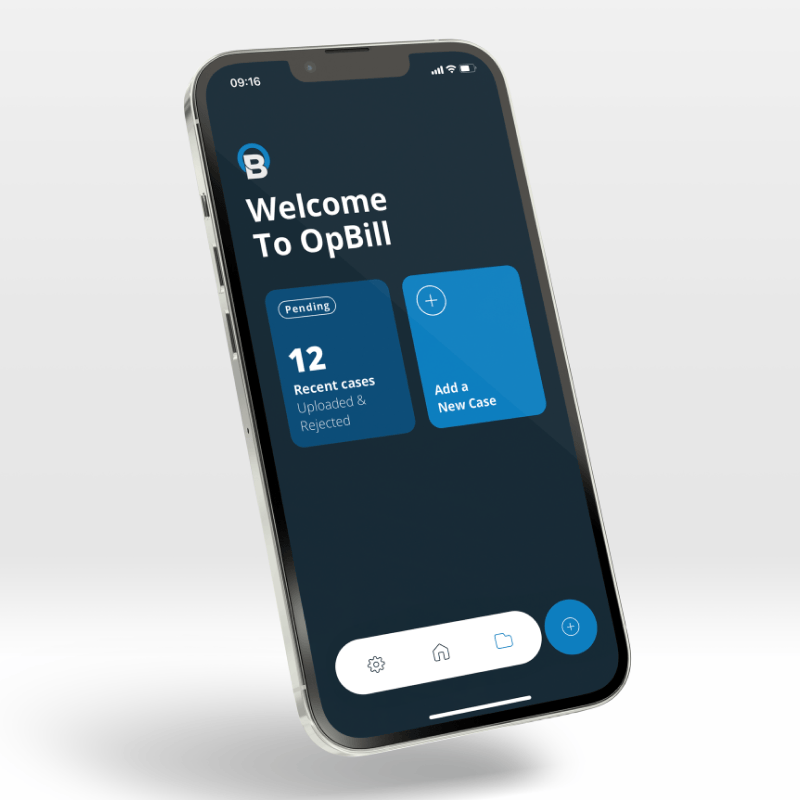
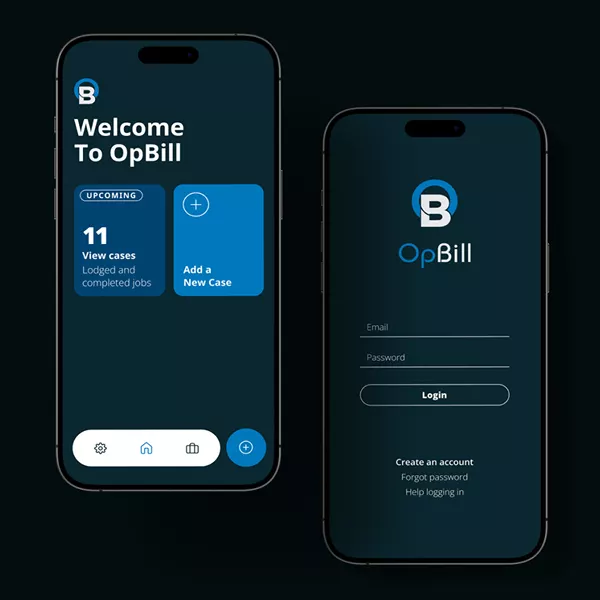
Where the portal is the process, not a record of it. Intake, validation, approval and submission, with the rules encoded so the work cannot be done wrong. OpBill is the reference: PixelForce rebuilt it as a cross-platform medical billing product whose AI-powered OCR claiming flow made billing 90 percent faster, released four months from the start of the engagement. This is the shape where automation pays back fastest.

  • Rules and validation encoded once
  • Approval chains and audit trails
  • OCR and AI-assisted data capture
  • Integration with downstream systems

One place for the plan and the numbers.

PixelForce built Taly as a web app for trade businesses, replacing the usual mix of paper plans, spreadsheets and phone calls with digital live plans, project stages and real-time team sync. The office and the site see the same job card at the same moment. That is the hard part of an internal operations portal and it is rarely a technology problem - it is a question of whether the tool fits the way the work already happens. We scope that before we build, which is why Scoping and Design comes first and why we will tell you when an off-the-shelf tool would serve you better.

Taly live project plan Taly job card and numbers

Independent recognition for the team behind these portals.

Apple Best of Developers, Watch and TV App of the Year, ACS Digital Disruptor Gold, and Top Clutch App Development Company in Australia. Recognition you cannot buy with a marketing budget - earned by shipping software that organisations run their operations on.

Apple Watch App of the Year
Clutch Top User Experience Company
Apple TV App of the Year
Apple Best of Developers
Clutch Top App Development Company
Clutch Top Software Developers
Australian Technology Services Achiever
Web Excellence Awards (Website)
Web Excellence Awards (App)
ACS Digital Disruptor Gold Award

Why organisations pick us as their CRM development company.

Custom software is easy to start and hard to finish. These are the four things that decide whether an internal system gets adopted or quietly abandoned, and they are what we optimise for.

We will talk you out of it

Off-the-shelf CRM is the right answer more often than agencies admit. If a configured platform will serve you, we will say so in Scoping and Design rather than sell you a build. Custom CRM development earns its cost when your process is a genuine advantage, when licence costs scale painfully with headcount, or when the integrations you need simply do not exist.

  • Honest build-versus-buy recommendation
  • Licence cost modelled against build cost
  • Integration feasibility checked early
  • No Blueprint, no Build

It fits how you already work

The fastest way to kill an internal portal is to make the team change their process to suit it. We map the real workflow first, including the informal steps people do not write down, then design around it. Taly works because the office and the site see the same job card, not because it has more features than the spreadsheet it replaced.

  • Workflow mapped before wireframes
  • Designed for daily, not demo, use
  • Adoption treated as a design problem
  • Prototype tested with real users

Security modelled from the start

Access control and tenancy are decided before the first screen is designed, because retrofitting them costs multiples of building them in. Role-based permissions, audit trails on the records that matter, and encryption in transit and at rest. PixelForce is an AWS Advanced Tier Partner with more than 15 accredited engineers.

  • Role-based permissions per team
  • Audit trails where they matter
  • AWS Advanced Tier Partner
  • 15+ accredited engineers in-house

Months, not years

A tight first release in front of real users beats a year spent building against assumptions. OpBill went from concept to a released cross-platform product in four months, with an AI-powered OCR claiming flow that made billing 90 percent faster. After launch we iterate on what people actually do through a post-launch retainer rather than a second big build.

  • Scoped first release, then iterate
  • OpBill: 4 months concept to launch
  • Two-week squad, four-week planning
  • Post Launch Support retainer

Our CRM development services.

Everything needed to take a business portal from a vague brief to a system your team runs on, delivered by one in-house Australian team rather than a chain of subcontractors.

Discovery and process mapping

We sit with the people doing the work and map what actually happens, including the workarounds nobody documents. That map decides the data model and usually reshapes the scope. It is also where we tell you honestly whether a custom build is warranted at all.

  • Stakeholder interviews and shadowing
  • Current-state workflow map
  • Build-versus-buy recommendation
  • Costed scope, not a ballpark

Custom CRM development

Contacts, pipelines, activity history and reporting shaped around your sales or service process rather than a vendor's. Built when a configured platform genuinely will not fit, and sized so it does not become a second product to maintain.

  • Pipelines that match your process
  • Activity history and reporting
  • Per-team visibility rules
  • Data migration from existing tools

Content management systems

Content management system development on Craft CMS and comparable platforms, set up so non-technical staff can publish confidently. PRASA is the reference: a regulator's site where the whole job is helping someone find the correct form quickly.

  • Craft CMS builds and migrations
  • Editor experience designed, not assumed
  • Structured content and search
  • Accessibility as a requirement

Systems integration

Connecting the portal to the tools you already pay for so data stops being rekeyed. Xero for accounting, HubSpot and Mailchimp for marketing and CRM, payment providers, and internal or legacy systems through their APIs. Where no API exists we use supported import and export paths rather than brittle scraping.

  • Xero, HubSpot, Mailchimp and similar
  • Payment and identity providers
  • Legacy systems via supported APIs
  • Integration map agreed in Phase 1

Automation and AI-assisted capture

Removing the manual steps that consume the day. OCR and AI-assisted data capture, rules-based validation, and approval chains that encode the policy once instead of relying on memory. OpBill's claiming flow made medical billing 90 percent faster on exactly this pattern.

  • OCR and document data capture
  • Rules and validation encoded once
  • Approval chains with audit trails
  • Automated downstream submission

Support and iteration

Portals change as the business does. Post Launch Support covers monitoring, a critical-defect warranty and ongoing technical support, and an optional Product Retainer runs four-week planning cycles against real usage rather than a wish list.

  • Monitoring and critical-defect warranty
  • Four-week planning cycles
  • Two-week delivery squads
  • Iteration driven by usage data

Medical billing, 90 percent faster.

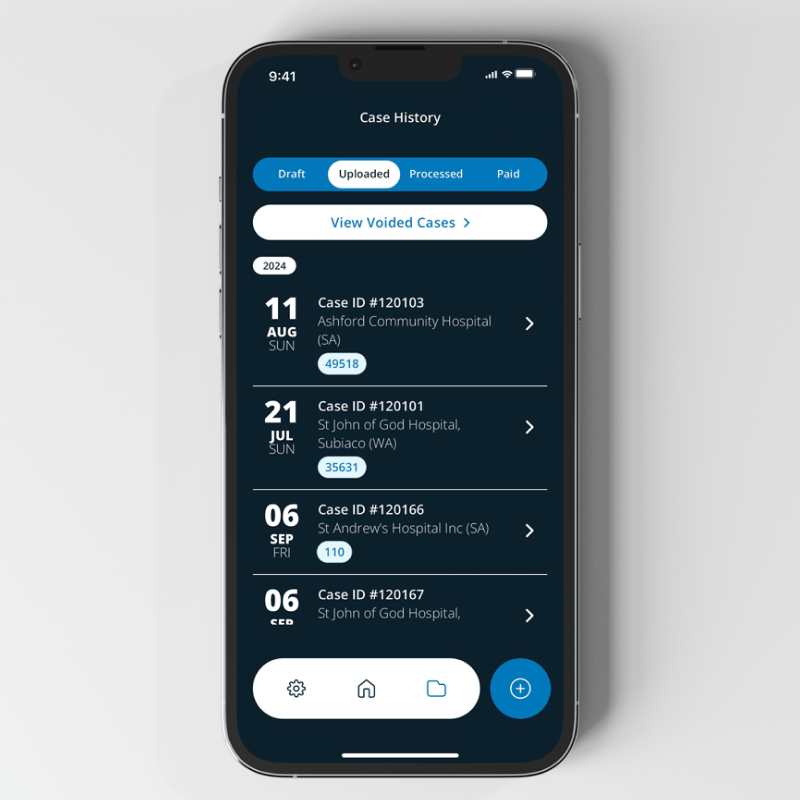
PixelForce rebuilt OpBill as a cross-platform medical billing app with an AI-powered OCR claiming flow, released four months from the start of the engagement. The gain did not come from adding features - it came from removing the manual steps between a practitioner finishing a consultation and a claim being submitted correctly. That is the pattern behind most successful workflow portals: find the step people dread, encode the rules once, and let the software do the part that never varied anyway.

OpBill claiming flow OpBill billing screen
Built by PixelForce 90% faster billing · 4 months to launch

One conversation.
Three phases.
Built to grow.

The same canonical PixelForce engagement model behind 100+ shipped products and $1.5B+ in combined client revenue, applied to your business portal. The 1-3-1 method runs through every conversation - one problem, three options with honest trade-offs across budget, timeline and scope, one recommendation. No Blueprint, no Build.

  1. 0
    Free

    Discovery call

    A free, no-obligation conversation to find the right path for your business portal before you commit a dollar.

    • Mutual NDA signed up front
    • 1-3-1 method: one problem, three options, one recommendation
    • Honest trade-offs across budget, timeline and scope
    • A straight answer on what a credible build looks like
  2. 1
    4-8 weeks

    Scoping & Design

    Everything you need to build with total confidence - a fully costed, designed plan with no scope surprises.

    • Strategic workshops and BRD
    • Full UX/UI design system, every screen built
    • PRD and a fixed-cost Statement of Work
    • No Blueprint, no Build - Phase 1 before any Phase 2 quote
  3. 2
    3-6 months

    Development, QA and Release

    From approved designs to your live business portal, built and tested at a steady sprint cadence.

    • Sprint cadence with regular demos
    • QA across iOS, Android and the edge cases
    • End-to-end App Store and Google Play submission
    • Built to scale from 1,000 to 1,000,000 users
  4. 3
    Ongoing

    Post Launch Support

    We do not disappear at launch - monitoring, warranty, and an optional retainer keep your business portal growing.

    • 24/7 monitoring and a critical-defect warranty
    • Ongoing technical support
    • Optional Product Retainer: four-week sprints and quarterly reviews
    • The model that grew SWEAT to a $400M platform

Frequently asked.

Custom CRM and business portal questions from operators, founders and IT leads.

A digital business portal is a custom web application that gives your team, and often your customers or suppliers, one place to do the work that is currently spread across spreadsheets, email and several disconnected tools. In practice it usually combines a content management system for the information your business publishes, a customer relationship management layer for the people you deal with, and the specific workflows your operation runs on. Unlike off-the-shelf software, it is shaped around how your organisation actually works rather than forcing your process to match a vendor's assumptions.

Off-the-shelf CRM is the right answer more often than agencies admit, and we will tell you when it is. Custom CRM development earns its cost when your process is genuinely a competitive advantage, when licence costs scale painfully with headcount, when the integrations you need do not exist, or when you are paying for a fraction of a large platform and working around the rest. If you are mostly fighting the tool rather than the problem, that is the signal. We work this through in Scoping and Design before any build commitment.

Yes, and it is usually the point. We regularly integrate accounting platforms such as Xero, marketing and CRM tools such as HubSpot and Mailchimp, payment providers, and internal or legacy systems through their APIs. Where a system has no API we look at supported export and import paths rather than brittle scraping. The integration map is one of the first things we settle in Scoping and Design, because it frequently changes the shape and the cost of the build.

It depends on scope, but a focused first version is typically a matter of months rather than years. OpBill went from concept to a released cross-platform product in four months. We deliberately scope a tight first release, get it in front of real users, and then iterate on what they actually do with it through a post-launch retainer, rather than spending a year building against assumptions.

Access control and tenancy are modelled before the first screen is designed, not retrofitted afterwards, because retrofitting them costs multiples of building them in. That means role-based permissions, audit trails on the records that matter, encrypted data in transit and at rest, and cloud architecture built to AWS best practice. PixelForce holds AWS Advanced Tier Partner status with more than 15 accredited engineers.

Every portal can be built three ways, so we quote an envelope rather than a single number. Scoping and Design is typically $35,000 to $65,000 and comes first - no Blueprint, no Build - because it is what turns a vague brief into a costed plan. Development then follows the scope that phase produces. We use the 1-3-1 method: one problem, three options with honest trade-offs across budget, timeline and scope, and one clear recommendation.

Let us build your portal.

Tell us how your team works today and where it breaks down. We will come back with three options, honest trade-offs across budget, timeline and scope, and one clear recommendation.

  • Top Clutch App Development Company · Australia
  • 100% in-house · Adelaide HQ
  • Enterprise-grade architecture and security
  • Free consultation · NDA on request