On demand app development and marketplaces that reach liquidity.

Two-sided marketplaces and on-demand platforms, built by the team behind EzLicence - Australia's largest driving-lesson marketplace. We solve the hard part first: which side of your market is the constraint, and how the product earns its keep before the network effect arrives.

  • EzLicence: $100M+ in facilitated bookings

  • 250K+ lesson hours booked every year

  • Payments, payouts, escrow and KYC

  • 100% in-house · Adelaide HQ

$100M+Bookings via EzLicence
250K+Lesson hours a year
8,000+Five-star Google reviews
4Marketplaces shipped

Three shapes a marketplace usually takes.

Which one you are building decides the matching logic, the payment flow and how you win your first hundred users. Getting this wrong is the most common reason marketplace builds stall, so it is the first thing we settle in Scoping and Design.

Booked services marketplace

Someone needs a service at a particular time and someone qualified provides it. EzLicence is the reference: PixelForce built Australia's largest driving-lesson marketplace, now facilitating more than $100M in bookings and 250,000 lesson hours a year. The hard parts are instructor availability, cancellations and the trust that makes a first booking feel safe.

  • Real availability and scheduling
  • Cancellation and rescheduling rules
  • Verification on the supply side
  • Ratings that carry real weight

On-demand matching

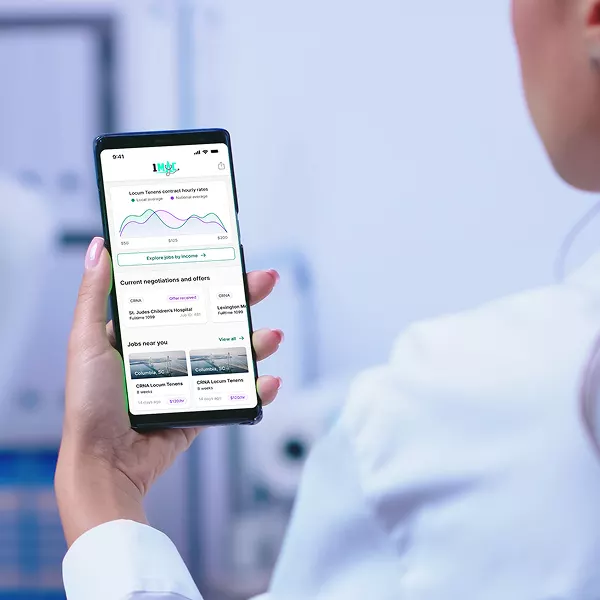
Immediacy is the product. A request goes out now and the platform finds someone available now, which turns the build into a real-time dispatch problem rather than a listings one. 1MAC works this way for anaesthesia providers and the facilities that need cover. Worth the extra complexity only when waiting genuinely destroys the value.

  • Live availability and presence
  • Dispatch and matching logic
  • Time-sensitive notifications
  • Authorise now, capture later

Peer-to-peer rental or resale

People list what they own and other people pay to use or buy it. Designerex works this way for designer dresses, and PixelForce rescued and replatformed it onshore. The difficulty is not the listings - it is deposits, damage, disputes and the logistics of an item physically moving between two strangers.

  • Deposits and damage handling
  • Dispute resolution flows
  • Listing quality and imagery
  • Logistics between both sides

A marketplace that owns its category.

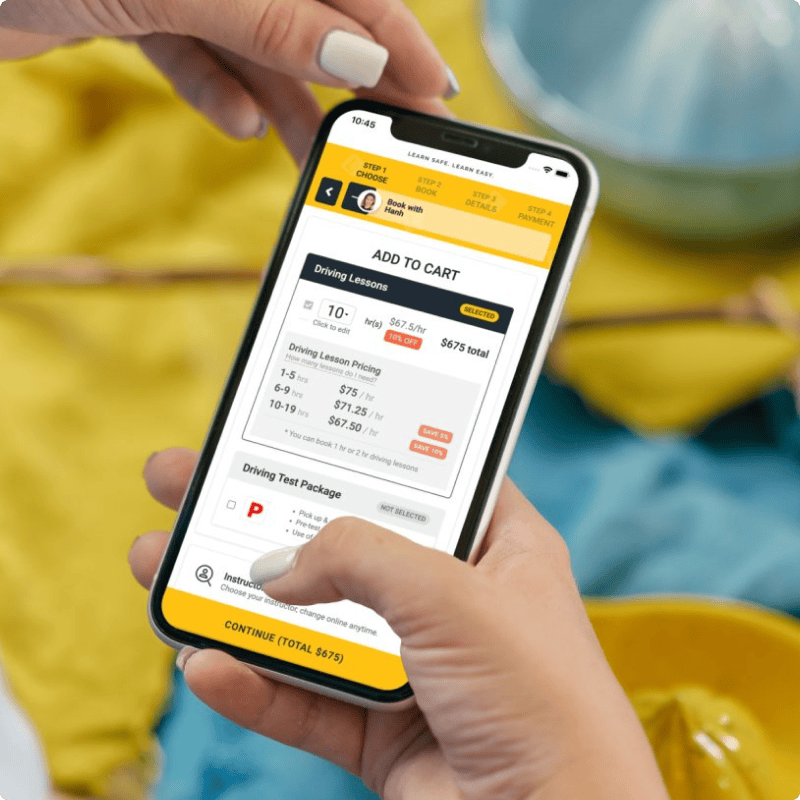
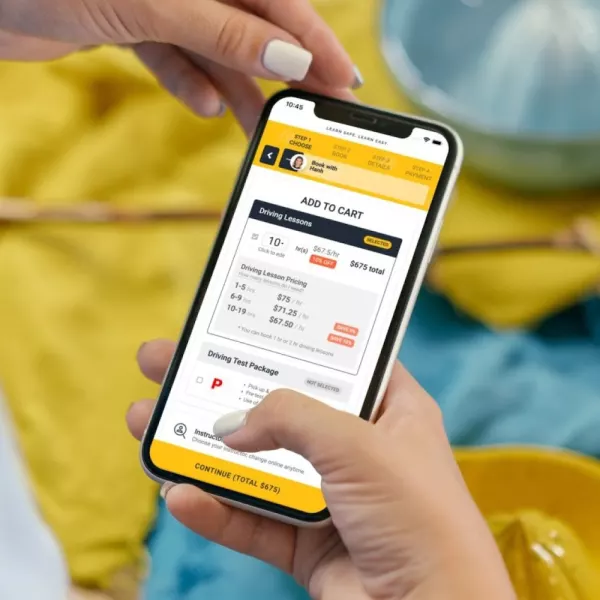
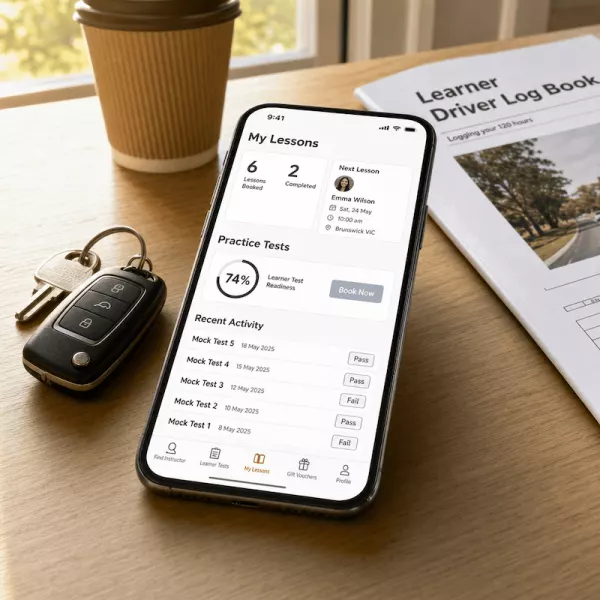
PixelForce built EzLicence into Australia's largest marketplace for driving lessons - more than $100M in facilitated bookings, 250,000 lesson hours a year and over 8,000 five-star Google reviews. A two-sided platform needs liquidity on both sides, payments and payouts, scheduling, ratings, and trust and safety systems that hold up as volume grows. We then took the same product to the United Kingdom, localising it for a different licensing and regulatory environment rather than simply switching the currency.

EzLicence booking screen EzLicence instructor screen
Built by PixelForce $100M+ bookings · 250K+ lesson hours a year

Why founders pick us as their on demand app development company.

Marketplaces fail for a small number of predictable reasons. These are the four we design against from the first workshop.

We solve liquidity first

A marketplace with sellers and no buyers is a database. Before design starts we work out which side is genuinely harder to acquire and how the product delivers value to that side while the other side is still thin. Often the first release is deliberately not a marketplace at all, but a single-sided tool that becomes one once supply is dense.

  • Constrained side identified early
  • Single-sided value on day one
  • Launch scope narrowed to reach density
  • Go-to-market shaped with the product

The money flow is designed, not bolted on

Taking money from one side, holding it while a service is delivered, and paying the other side reliably touches almost every screen. Refunds, cancellations, disputes and identity verification all have to work before launch, not after the first complaint. We design the money flow during Scoping and Design because it constrains everything downstream.

  • Split payments and delayed payouts
  • Escrow and release conditions
  • Refunds, disputes and cancellations
  • Identity verification on supply

Trust is a feature

Strangers transact only when the platform makes it feel safe. Verification, reviews that cannot be gamed, clear cancellation terms and a visible route to a human when something goes wrong. EzLicence carries more than 8,000 five-star Google reviews because the trust mechanics were part of the product, not a support policy written afterwards.

  • Verification appropriate to the risk
  • Reviews resistant to gaming
  • Clear terms on both sides
  • Escalation to a real person

We instrument the marketplace metrics

Marketplaces do not run on downloads. They run on liquidity, match rate, time to first transaction and repeat rate, and you cannot improve any of them without measuring them from launch. We map those events to your commercial model during the build so the first months after launch produce decisions rather than opinions.

  • Liquidity and match rate
  • Time to first transaction
  • Repeat rate by cohort
  • Supply utilisation

What we build into a marketplace platform.

The modules almost every marketplace needs, delivered by one in-house Australian team rather than a chain of subcontractors.

Two-sided onboarding

Separate journeys for each side, because a supplier signing up has different obligations and motivations from a customer. Includes verification, profile quality and the first-run experience that decides whether someone ever comes back.

  • Distinct supply and demand flows
  • Identity and credential checks
  • Profile completeness prompts
  • First-run experience designed

Search, matching and dispatch

Getting the right two people in front of each other, whether that is filtered search, ranked recommendations or real-time dispatch. This is where most of the perceived quality of a marketplace actually lives.

  • Filtering and ranked results
  • Geolocation and radius logic
  • Real-time dispatch where needed
  • Availability and calendars

Payments, payouts and escrow

Split payments, held funds, scheduled payouts and the full refund and dispute path. We integrate established payment platforms rather than building this from scratch, and we design the flow before the screens.

  • Split payments and commission
  • Escrow and release conditions
  • Scheduled supply-side payouts
  • Refunds and chargebacks

Ratings, reviews and trust

Two-way reviews, moderation, and the verification appropriate to what is at stake. Designed so the signal stays useful as volume grows rather than collapsing into everyone having five stars.

  • Two-way review flows
  • Moderation and reporting
  • Verification badges
  • Dispute handling

Messaging and notifications

In-platform messaging keeps the transaction on the platform and gives you a record when something is disputed. Notifications have to be relevant rather than frequent, or people turn them off and stop returning.

  • In-platform messaging
  • Push and email notifications
  • Templated transactional messages
  • Notification preferences

Operations and admin tooling

The console your team runs the marketplace from - approving supply, resolving disputes, adjusting commission, and seeing liquidity by segment. Marketplaces are operated, not just launched, and this is usually under-scoped.

  • Supply approval queues
  • Dispute and refund tooling
  • Commission configuration
  • Liquidity dashboards

Rescued, replatformed and brought onshore.

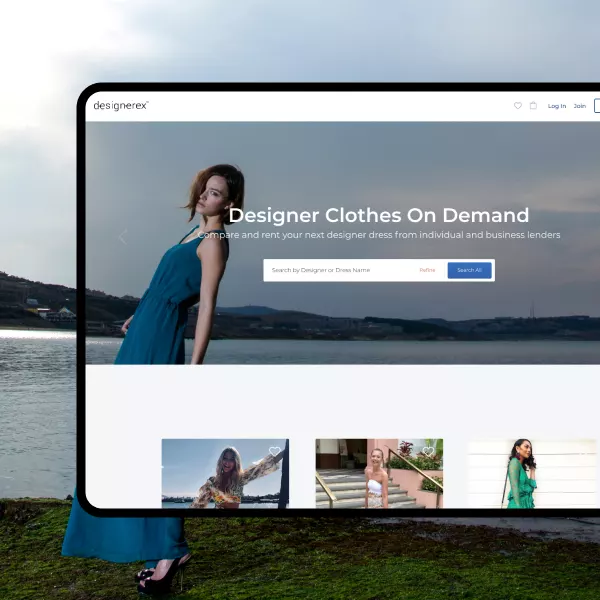
Designerex is a peer-to-peer designer dress-sharing marketplace that came to PixelForce after an offshore build had drifted. We rescued and replatformed it onshore without taking the marketplace offline, which is the constraint that makes rescue work harder than a greenfield build - the existing members, listings and transactions have to keep working while the foundation is replaced underneath them. Peer-to-peer rental adds deposits, damage and physical logistics on top of the usual marketplace problems.

Designerex dress listing Designerex rental booking

Independent recognition for the team behind this work.

Apple Best of Developers, Watch and TV App of the Year, ACS Digital Disruptor Gold, and Top Clutch App Development Company in Australia. The kind of recognition you cannot buy with a marketing budget - earned by shipping software people use every day.

Apple Watch App of the Year
Clutch Top User Experience Company
Apple TV App of the Year
Apple Best of Developers
Clutch Top App Development Company
Australian Technology Services Achiever
Web Excellence Awards (Website)
Web Excellence Awards (App)
ACS Digital Disruptor Gold Award

One conversation.
Three phases.
Built to grow.

The same canonical PixelForce engagement model behind 100+ shipped products and $1.5B+ in combined client revenue, applied to your marketplace app. The 1-3-1 method runs through every conversation - one problem, three options with honest trade-offs across budget, timeline and scope, one recommendation. No Blueprint, no Build.

  1. 0
    Free

    Discovery call

    A free, no-obligation conversation to find the right path for your marketplace app before you commit a dollar.

    • Mutual NDA signed up front
    • 1-3-1 method: one problem, three options, one recommendation
    • Honest trade-offs across budget, timeline and scope
    • A straight answer on what a credible build looks like
  2. 1
    4-8 weeks

    Scoping & Design

    Everything you need to build with total confidence - a fully costed, designed plan with no scope surprises.

    • Strategic workshops and BRD
    • Full UX/UI design system, every screen built
    • PRD and a fixed-cost Statement of Work
    • No Blueprint, no Build - Phase 1 before any Phase 2 quote
  3. 2
    3-6 months

    Development, QA and Release

    From approved designs to your live marketplace app, built and tested at a steady sprint cadence.

    • Sprint cadence with regular demos
    • QA across iOS, Android and the edge cases
    • End-to-end App Store and Google Play submission
    • Built to scale from 1,000 to 1,000,000 users
  4. 3
    Ongoing

    Post Launch Support

    We do not disappear at launch - monitoring, warranty, and an optional retainer keep your marketplace app growing.

    • 24/7 monitoring and a critical-defect warranty
    • Ongoing technical support
    • Optional Product Retainer: four-week sprints and quarterly reviews
    • The model that grew SWEAT to a $400M platform

Frequently asked.

Two-Sided Marketplace questions from founders, operators and product leads.

A two-sided marketplace is a platform where two distinct groups - typically buyers and sellers, or customers and providers - transact with each other, and the platform earns from facilitating that exchange rather than from owning inventory. EzLicence connects learner drivers with driving instructors. 1MAC connects anaesthesia providers with the facilities that need them. The defining challenge is that neither side turns up for an empty platform, which is why liquidity, not features, decides whether these products live or die.

By deciding which side is genuinely harder to acquire and designing the product so that side gets value on day one, before the other side exists. That often means the first version is not a marketplace at all - it is a single-sided tool that becomes a marketplace once supply is dense enough. We work this out during Scoping and Design, because it changes the product, the go-to-market and the cost. Getting it wrong is the most common reason marketplace builds fail.

On-demand apps add real-time matching and fulfilment to the marketplace pattern: live availability, dispatch or booking logic, tracking, and time-sensitive notifications on both sides. Technically that means scheduling, geolocation, push, and a payment flow that can authorise now and capture later. It is a harder build than a listings marketplace and worth it only when immediacy is genuinely the value.

You need to take money from one side, hold it while the service is delivered, and pay the other side reliably, while handling refunds, disputes and cancellations. That usually means a payment platform supporting split payments and delayed payouts, plus identity verification on the supply side. We do not quote third-party fees here because they change - see the provider's current pricing. What we do is design the money flow before the build, because it constrains everything else.

A focused first version is typically a matter of months, not years, and deliberately narrower than founders expect - usually one category, one city, or one use case, so liquidity is achievable. Scoping and Design comes first and typically runs $35,000 to $65,000. Development follows the scope that phase produces. We would rather ship a narrow marketplace that reaches liquidity than a broad one that never does.

Yes. We took EzLicence from Australia to the United Kingdom, localising the product for a different regulatory and licensing environment rather than simply changing the currency. The technical work is usually smaller than the operational work: pricing, compliance, supply acquisition and support all change. We scope those explicitly because they, not the code, decide whether the expansion works.

Let us build your marketplace.

Tell us which side of your market is harder to win. We will come back with three options, honest trade-offs across budget, timeline and scope, and one clear recommendation.

  • Top Clutch App Development Company · Australia
  • 100% in-house · Adelaide HQ
  • 100+ products and $1.5B+ client revenue
  • Free consultation · NDA on request