Social networking app development for communities that stay active.

Community and social platforms where the product is the people in it - forums, member networks, real-time social apps. We design for the empty-room problem first, because a community app with nobody in it is just an empty screen.

  • Real-time messaging, feeds and presence

  • Moderation and trust and safety built in

  • Designed for the first 100 members

  • 100% in-house · Adelaide HQ

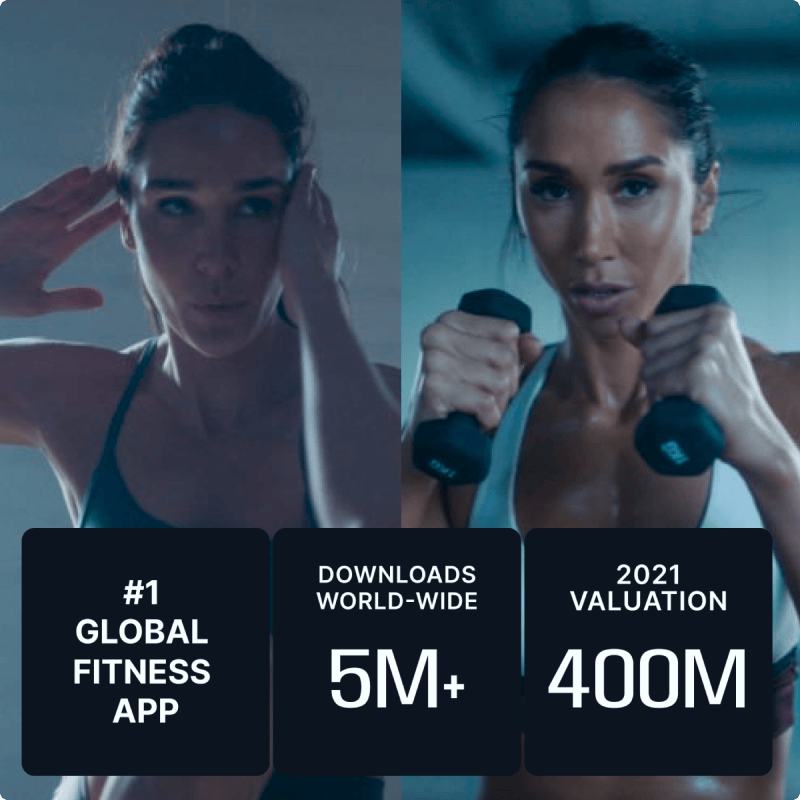
30M+SWEAT users worldwide
155Countries reached
100+Products and apps shipped
13+ yrsIn-house since 2013

Three ways a community product starts.

All three face the same first problem - the room is empty. What differs is how you make the product worth opening before the community exists.

Community inside an existing product

The easiest path by a wide margin, because people are already there for another reason. SWEAT is the example: the community was one of the reasons members stayed subscribed, but it sat inside a product that already worked on its own. Adding a social layer to something people use is far easier than persuading them to adopt a new network.

  • Social layer over existing value
  • Feeds tied to real activity
  • Challenges and shared progress
  • Retention measured, not assumed

Real-time and location-anchored

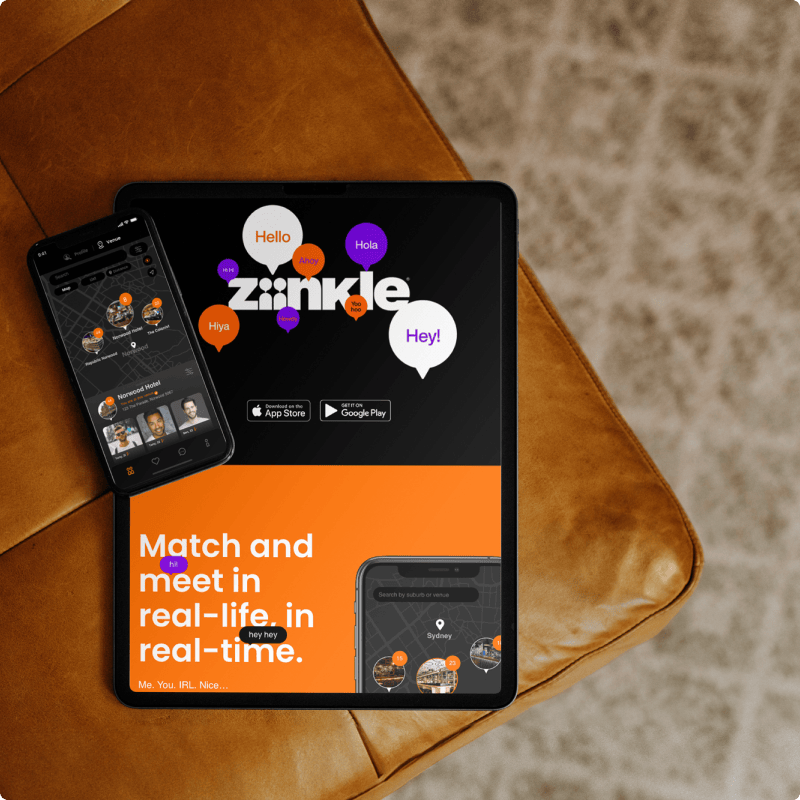
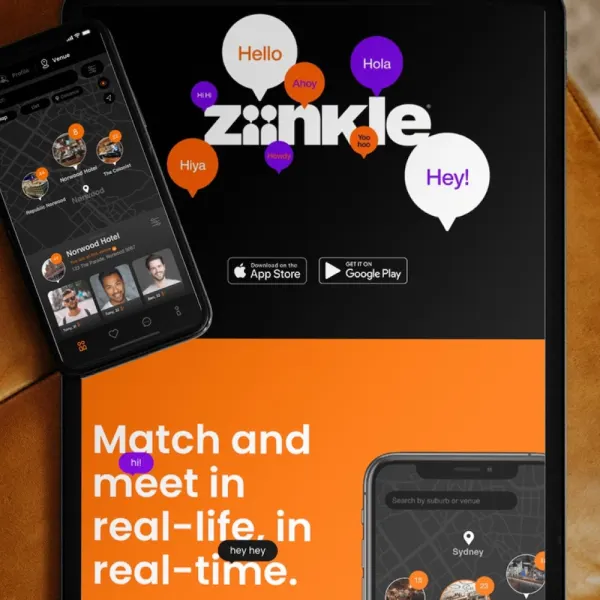
Interaction tied to a moment or a place, which makes a small user base feel active rather than empty. Ziinkle worked this way, anchoring the experience to the venue someone was physically standing in. Density in one bar beats sparseness across a city, and that insight usually decides the launch strategy.

  • Presence and live state
  • Location or venue anchoring
  • Real-time messaging
  • Launch narrow, then widen

Member network or forum

A durable space for a defined group - professional bodies, alumni, interest groups. Retention comes from the archive and the reputation people build, not from real-time activity. These are slower to start and much stickier once established, and they need moderation from the first week rather than the first incident.

  • Profiles and reputation
  • Threaded discussion and search
  • Moderation and reporting
  • Searchable archive over time

A social app built around where you are standing.

PixelForce built Ziinkle as a real-time dating app anchored to the venue someone was actually in. That decision is the whole product: instead of competing on the size of the user base, it made a small number of nearby people feel like an active room. Every community product faces the same opening problem, and the answer is almost never more features - it is finding the constraint that makes a thin network feel full. We work that out in Scoping and Design, before anything gets built.

Ziinkle venue-based feed Ziinkle real-time chat

Why founders choose us for social networking app development.

Community products fail quietly - they launch, look fine, and nobody comes back. These are the four things we design against.

We design for the empty room

The product has to be worth opening for the hundredth member, not just the hundred-thousandth. That might mean seeded content, a tool that stands alone, or launching into one tight group rather than the whole market. It is the first thing we settle, because it changes the product rather than the marketing.

  • Value before density
  • Launch group chosen deliberately
  • Seeding strategy designed in
  • Scope narrowed to reach density

Trust and safety from day one

Reporting, blocking, a moderation queue somebody owns, and clear rules - built before launch rather than after the first incident. Where minors or sensitive content are involved the obligations are higher and they shape the architecture, not just the policy.

  • Reporting and blocking at launch
  • Moderation queue and tooling
  • Clear, enforceable rules
  • Escalation paths defined

Real-time that actually holds

Presence, messaging and live feeds are easy to demonstrate and hard to keep reliable as concurrency grows. We build on infrastructure designed for it and load test before launch, because the failure mode is the app feeling dead precisely when it is busiest.

  • Messaging and presence
  • Push that stays relevant
  • Load tested at target concurrency
  • Graceful degradation

Retention treated as measurable

Return rate in community products is a design outcome, not luck. We instrument which interactions predict someone coming back, then work those specifically rather than adding features and hoping. Downloads tell you nothing here.

  • Return rate by cohort
  • Which interactions predict return
  • Notification effectiveness
  • Instrumented from launch

What we build into a community platform.

The modules behind social and community products, built in-house in Adelaide.

Profiles and identity

Profiles that carry enough signal for people to decide who to interact with, plus the verification appropriate to what is at stake on your platform.

  • Profile and reputation model
  • Verification where risk requires
  • Privacy and visibility controls
  • Onboarding that fills profiles

Messaging and feeds

Direct and group messaging, activity feeds and the ranking that decides what someone sees first - which is most of the perceived quality of a social product.

  • Direct and group messaging
  • Activity feed and ranking
  • Reactions and threading
  • Read state and presence

Moderation and safety

The reporting, blocking, queues and audit trail your moderators need, plus automated filtering where volume makes manual review impractical.

  • Report and block flows
  • Moderator queue and actions
  • Automated filtering
  • Audit trail of decisions

Engagement mechanics

Challenges, streaks, events and shared progress - the rituals that give people a reason to return on a specific day rather than eventually.

  • Challenges and streaks
  • Scheduled events and drops
  • Shared progress and milestones
  • Leaderboards where they fit

Notifications

Push and email designed to be relevant rather than frequent. Over-notifying is the fastest way to lose a community member permanently.

  • Relevance-ranked notifications
  • Granular user preferences
  • Digest and batching
  • Effectiveness measured

Community operations

The console your team runs the community from - health metrics, member management and the levers to intervene when a space goes quiet or sour.

  • Community health metrics
  • Member management tooling
  • Content and event scheduling
  • Intervention levers

Community inside a product that already worked.

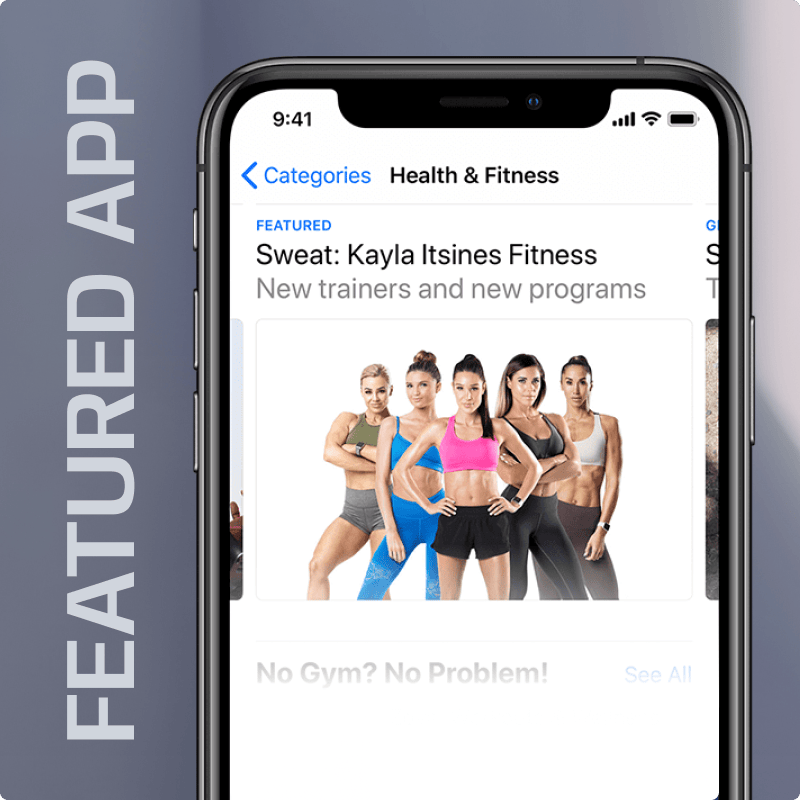
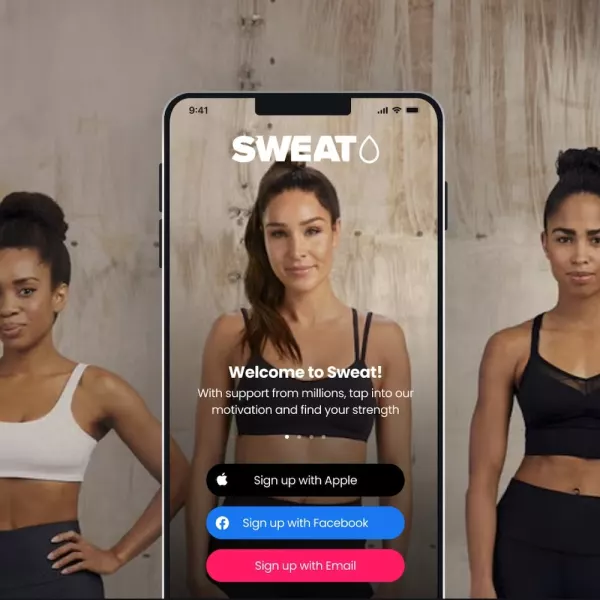
PixelForce helped build SWEAT from an Adelaide startup into a subscription fitness platform reaching more than 30 million users across 155 countries. The community was one of the reasons members stayed subscribed - but it sat inside a product that already had a reason to exist on its own. That is the most reliable route to a working community: attach it to something people already open, rather than asking them to adopt a new social network and populate it for you.

SWEAT community screen SWEAT progress sharing
Built by PixelForce 30M+ users · 155 countries

Independent recognition for the team behind this work.

Apple Best of Developers, Watch and TV App of the Year, ACS Digital Disruptor Gold, and Top Clutch App Development Company in Australia. The kind of recognition you cannot buy with a marketing budget - earned by shipping software people use every day.

Apple Watch App of the Year
Clutch Top User Experience Company
Apple TV App of the Year
Apple Best of Developers
Clutch Top App Development Company
Australian Technology Services Achiever
Web Excellence Awards (Website)
Web Excellence Awards (App)
ACS Digital Disruptor Gold Award

One conversation.
Three phases.
Built to grow.

The same canonical PixelForce engagement model behind 100+ shipped products and $1.5B+ in combined client revenue, applied to your community app. The 1-3-1 method runs through every conversation - one problem, three options with honest trade-offs across budget, timeline and scope, one recommendation. No Blueprint, no Build.

  1. 0
    Free

    Discovery call

    A free, no-obligation conversation to find the right path for your community app before you commit a dollar.

    • Mutual NDA signed up front
    • 1-3-1 method: one problem, three options, one recommendation
    • Honest trade-offs across budget, timeline and scope
    • A straight answer on what a credible build looks like
  2. 1
    4-8 weeks

    Scoping & Design

    Everything you need to build with total confidence - a fully costed, designed plan with no scope surprises.

    • Strategic workshops and BRD
    • Full UX/UI design system, every screen built
    • PRD and a fixed-cost Statement of Work
    • No Blueprint, no Build - Phase 1 before any Phase 2 quote
  3. 2
    3-6 months

    Development, QA and Release

    From approved designs to your live community app, built and tested at a steady sprint cadence.

    • Sprint cadence with regular demos
    • QA across iOS, Android and the edge cases
    • End-to-end App Store and Google Play submission
    • Built to scale from 1,000 to 1,000,000 users
  4. 3
    Ongoing

    Post Launch Support

    We do not disappear at launch - monitoring, warranty, and an optional retainer keep your community app growing.

    • 24/7 monitoring and a critical-defect warranty
    • Ongoing technical support
    • Optional Product Retainer: four-week sprints and quarterly reviews
    • The model that grew SWEAT to a $400M platform

Frequently asked.

Community questions from founders, operators and product leads.

The visible parts are profiles, feeds, messaging and notifications. The parts that decide whether it works are less obvious: how the feed is ranked, how new members find someone to interact with on day one, how bad behaviour is handled, and what the app is worth to a member before the community is dense. Building the features is straightforward; designing for an empty room is not.

By making the product useful to one person before it is useful to a thousand. That might mean seeded content, a tool that stands alone, or launching into a single tight group rather than the whole addressable market. Ziinkle approached this by anchoring interaction to the venue someone was physically standing in, which made a small user base feel active rather than empty. We work this out during Scoping and Design.

As a product requirement, not an afterthought. That means reporting and blocking from day one, a moderation queue somebody actually owns, clear community rules, and escalation paths for serious issues. For platforms with minors or sensitive content the obligations are higher and shape the architecture. Retrofitting trust and safety after an incident is both expensive and too late.

Something happening that involves them. In practice that is usually notifications that are genuinely relevant rather than frequent, a feed that surfaces people they care about, and rituals - regular events, challenges or content drops. Retention in community products is a design problem, and it is measurable, so we instrument it during the build.

Often, and it is frequently a better path than a standalone community app. SWEAT is the example: the community was one reason members stayed subscribed, but it sat inside a product that already had a reason to exist. Adding community to something people already use is far easier than persuading them to adopt a new social network.

A focused first version is typically months rather than years. The scope discipline matters more here than usual, because feature breadth does not create a community - density does. Scoping and Design comes first, typically $35,000 to $65,000, and is where we decide which single group you are launching into.

Let us build your community.

Tell us who your community is and what brings them back. We will come back with three options, honest trade-offs across budget, timeline and scope, and one clear recommendation.

  • Top Clutch App Development Company · Australia
  • 100% in-house · Adelaide HQ
  • 100+ products and $1.5B+ client revenue
  • Free consultation · NDA on request