API development services and cloud infrastructure built to hold.

APIs, integrations and AWS infrastructure for organisations where downtime and data exposure are not acceptable outcomes. Designed by an AWS Advanced Tier Partner with more than 15 accredited engineers, in-house in Adelaide.

  • AWS Advanced Tier Partner · 15+ accredited engineers

  • 99.99% uptime as a design target

  • Custom API design, build and integration

  • 100% in-house · Adelaide HQ

99.99%Uptime and crash-free
15+AWS accredited engineers
100+Products and apps shipped
13+ yrsIn-house since 2013

Three kinds of integration work.

Most enterprise engagements are one of these three, and they carry very different risk. Naming which one you are in changes the estimate and the sequencing.

Building the API others depend on

Your platform becomes the system of record and other systems consume it. That raises the bar on versioning, documentation and backwards compatibility, because a breaking change now breaks somebody else's product. We design the contract before the implementation and document it so a developer who did not build it can use it.

  • REST and GraphQL interfaces
  • Authentication and rate limiting
  • Versioning that does not break consumers
  • Documentation as a deliverable

Connecting systems you do not control

Pulling data from platforms owned by someone else, where the failure path matters more than the happy path. Where a supported API exists we use it. Where it does not, we use supported import and export routes rather than brittle scraping that breaks on the vendor's next release.

  • Third-party API integration
  • Retry and failure handling
  • Supported export paths, not scraping
  • Monitoring on every interface

Modernising something that still runs

A legacy system the business depends on daily, which cannot simply be switched off. Usually the answer is strangling it - putting a new interface in front and moving functionality across incrementally - rather than a full rewrite. A rewrite is warranted when the old system blocks what the business needs next, not merely because it is old.

  • Incremental migration, not big bang
  • New interface over existing core
  • Data migration with verification
  • Rollback at every step

A smartphone turned into a forensic-grade field tool.

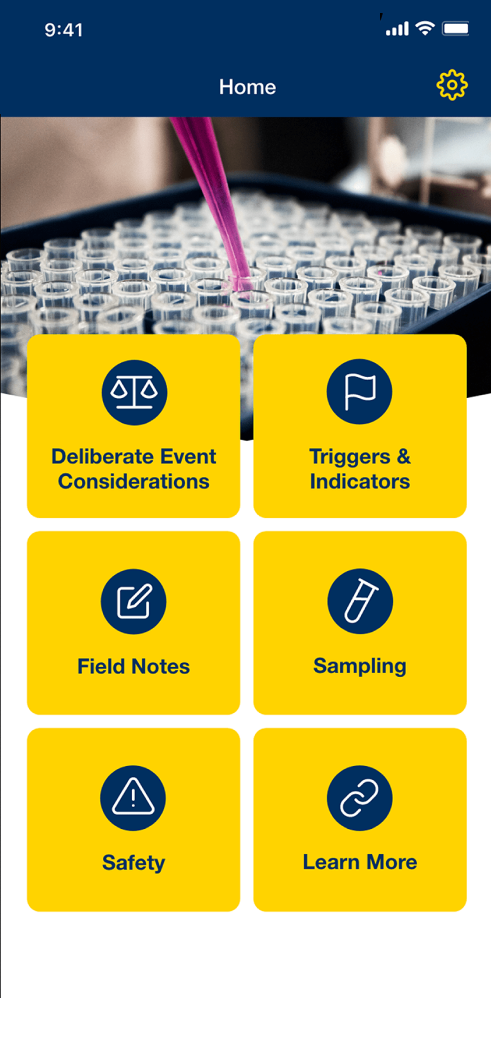
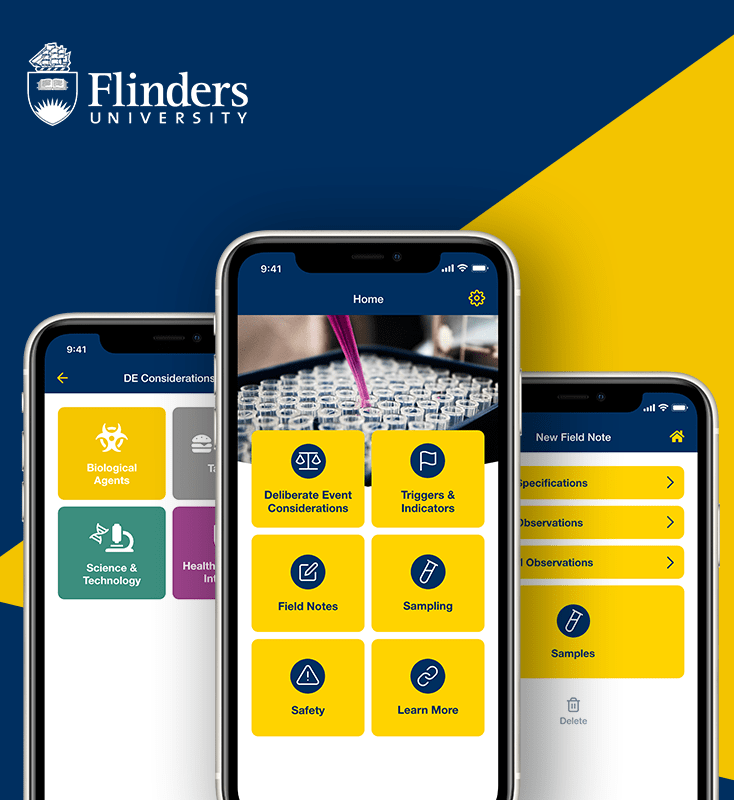
PixelForce built SuspectED, turning an ordinary smartphone into a forensic-grade tool for recording evidence in the field. Work like this is judged on what does not happen: the record has to be trustworthy, the chain of custody has to hold, and the device has to behave predictably when the connection does not. That pushes the engineering into integrity, storage and sync rather than features - which is the same discipline behind every enterprise integration we build.

SuspectED evidence capture on a phone SuspectED field tool
Design target 99.99% uptime · AWS Advanced Tier Partner

Why enterprises choose us for system integration services.

Infrastructure work is judged on what does not happen. These are the four things we design for from the first architecture session.

AWS Advanced Tier Partner

More than 15 AWS-accredited engineers in-house, designing to AWS best practice rather than to whatever ran on the last project. That covers network design, identity, encryption, backup and the disaster-recovery position the business can actually live with.

  • AWS Advanced Tier Partner
  • 15+ accredited engineers
  • Well-architected review
  • Backup and recovery designed

Built so one failure is not an outage

Redundancy where it matters, graceful degradation where it does not, and monitoring that tells you before your customers do. 99.99% is a design target we architect towards, not a number we put in a contract and hope for.

  • Redundancy at the right layers
  • Graceful degradation paths
  • Alerting before customers notice
  • Load tested before launch

Security modelled first

Access control, tenancy and audit are decided before the first screen, because retrofitting them costs multiples of building them in. For regulated work, data residency and retention rules are designed into the architecture rather than bolted on afterwards.

  • Role-based access and tenancy
  • Audit trails where they matter
  • Encryption in transit and at rest
  • Data residency and retention

In-house, and here

100% in-house delivery from Adelaide. For enterprise work that matters more than usual: the people who designed the architecture are the people you call when something is wrong at four in the afternoon, and there is no time-zone gap in the middle of an incident.

  • 100% in-house · Adelaide HQ
  • Same team through the engagement
  • No offshore subcontracting
  • Post Launch Support retainer

Our API development services.

The infrastructure and integration work behind platforms that other systems, and other businesses, depend on.

API design and build

REST and GraphQL APIs designed contract-first, with authentication, rate limiting, versioning and documentation treated as part of the deliverable rather than an afterthought.

  • Contract-first design
  • Authentication and rate limiting
  • Versioning strategy
  • Published documentation

Systems integration

Connecting platforms that were never designed to talk to each other, with explicit handling for the case where a transfer fails - because that is where integrations actually break.

  • Third-party API integration
  • Retry, backoff and dead-letter
  • Reconciliation and alerting
  • Integration map in Phase 1

Cloud architecture on AWS

Network, compute, storage and identity designed to AWS best practice by an Advanced Tier Partner, sized to what the platform actually needs rather than to a template.

  • VPC and network design
  • Identity and access management
  • Autoscaling and cost control
  • Infrastructure as code

Security and compliance

Threat modelling, access design, encryption and audit, plus the data residency and retention rules regulated work requires. Designed in, then reviewed regularly.

  • Threat modelling
  • Encryption in transit and at rest
  • Audit and access review
  • Residency and retention

Legacy modernisation

Moving off a system the business still depends on, incrementally, with a rollback at every step. We recommend a rewrite only when the existing platform genuinely blocks what comes next.

  • Incremental strangler migration
  • Data migration with verification
  • Rollback at each step
  • No big-bang cutover

Monitoring and support

Observability so problems surface before customers report them, plus Post Launch Support covering monitoring, a critical-defect warranty and ongoing technical support.

  • Metrics, logs and tracing
  • Alerting and on-call paths
  • Critical-defect warranty
  • Ongoing technical support

Independent recognition for the team behind this work.

Apple Best of Developers, Watch and TV App of the Year, ACS Digital Disruptor Gold, and Top Clutch App Development Company in Australia. The kind of recognition you cannot buy with a marketing budget - earned by shipping software people use every day.

Apple Watch App of the Year
Clutch Top User Experience Company
Apple TV App of the Year
Apple Best of Developers
Clutch Top App Development Company
Australian Technology Services Achiever
Web Excellence Awards (Website)
Web Excellence Awards (App)
ACS Digital Disruptor Gold Award

One conversation.
Three phases.
Built to grow.

The same canonical PixelForce engagement model behind 100+ shipped products and $1.5B+ in combined client revenue, applied to your enterprise platform. The 1-3-1 method runs through every conversation - one problem, three options with honest trade-offs across budget, timeline and scope, one recommendation. No Blueprint, no Build.

  1. 0
    Free

    Discovery call

    A free, no-obligation conversation to find the right path for your enterprise platform before you commit a dollar.

    • Mutual NDA signed up front
    • 1-3-1 method: one problem, three options, one recommendation
    • Honest trade-offs across budget, timeline and scope
    • A straight answer on what a credible build looks like
  2. 1
    4-8 weeks

    Scoping & Design

    Everything you need to build with total confidence - a fully costed, designed plan with no scope surprises.

    • Strategic workshops and BRD
    • Full UX/UI design system, every screen built
    • PRD and a fixed-cost Statement of Work
    • No Blueprint, no Build - Phase 1 before any Phase 2 quote
  3. 2
    3-6 months

    Development, QA and Release

    From approved designs to your live enterprise platform, built and tested at a steady sprint cadence.

    • Sprint cadence with regular demos
    • QA across iOS, Android and the edge cases
    • End-to-end App Store and Google Play submission
    • Built to scale from 1,000 to 1,000,000 users
  4. 3
    Ongoing

    Post Launch Support

    We do not disappear at launch - monitoring, warranty, and an optional retainer keep your enterprise platform growing.

    • 24/7 monitoring and a critical-defect warranty
    • Ongoing technical support
    • Optional Product Retainer: four-week sprints and quarterly reviews
    • The model that grew SWEAT to a $400M platform

Frequently asked.

Enterprise Infrastructure questions from founders, operators and product leads.

Designing, building and documenting APIs that other systems depend on - REST and GraphQL interfaces, authentication and rate limiting, versioning so consumers do not break, and the documentation that makes an API usable by someone who did not build it. We also build the integration layer in the other direction, connecting your platform to systems you do not control through their APIs.

We map what has to move between systems, how often, and what happens when a transfer fails - because the failure path is where integrations actually break. Where a system has a supported API we use it. Where it does not, we use supported import and export paths rather than brittle scraping that breaks on the vendor's next release. The integration map is settled in Scoping and Design because it frequently reshapes the cost.

Architecture designed so that a single failure does not take the platform down, data is encrypted in transit and at rest, access is controlled and audited, and you can see what is happening before your customers tell you. PixelForce is an AWS Advanced Tier Partner with more than 15 accredited engineers, and we design to AWS best practice rather than to whatever ran on the last project.

Often, yes, and it is usually the better option. Strangling a legacy system - putting a new interface or API in front of it and moving functionality across incrementally - lets the business keep running while the platform changes underneath. A full rewrite is warranted when the old system genuinely cannot support what the business needs next, not merely because it is old.

Access control and tenancy are modelled before the first screen is designed, because retrofitting them costs multiples of building them in. That means role-based permissions, audit trails on the records that matter, encryption in transit and at rest, and regular security review. For regulated work we design the data residency and retention rules into the architecture rather than bolting them on.

It depends entirely on what the platform has to carry, so we quote an envelope rather than a number. Scoping and Design comes first, typically $35,000 to $65,000, and is where the architecture and the integration map get settled. We use the 1-3-1 method: one problem, three options with honest trade-offs, one clear recommendation.

Let us build your platform.

Tell us what your systems have to do and what they cannot afford to do. We will come back with three options, honest trade-offs across budget, timeline and scope, and one clear recommendation.

  • Top Clutch App Development Company · Australia
  • 100% in-house · Adelaide HQ
  • 100+ products and $1.5B+ client revenue
  • Free consultation · NDA on request