Fiona Ryan founded Mumsly with her husband John as a self-funded, family-run business, working from a background in high-performance sport and law and an interest in mental wellbeing. The gap she identified was not a shortage of wellness apps. It was that almost none of them are designed for the person using them at four in the morning: a woman in the first year after birth, recovering physically, short of sleep, holding an infant in one arm, and with a window of two minutes rather than forty. A meditation library built for a quiet room at a chosen hour is, in that situation, one more thing that does not fit.

How we built Mumsly, a maternal wellness app for the first year after birth, now rated 5.0 from 25 ratings on the Australian App Store.
A mental day spa for motherhood
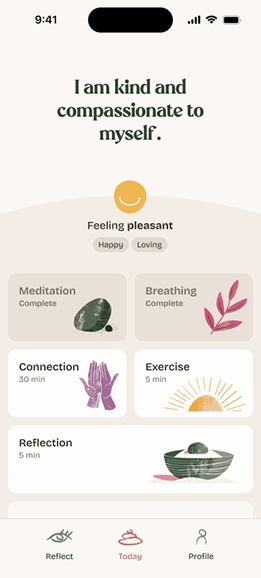
PixelForce designed and built Mumsly for Kofuku Consulting, a self-funded family business in Western Australia. It is a personal wellness app for the first year after birth - meditation, breathing, gentle movement, mood tracking and reflection - shipped on iOS and Android from one codebase. It holds a 5.0 star rating from 25 ratings on the Australian App Store, accessed 26 July 2026.
Australian App Store rating 5.0
Platforms iOS and Android
Subscription AUD 1.99/mth
The Problem
The Solution
PixelForce designed and built Mumsly around that constraint rather than around a content catalogue. The unit of the product is a short session that can be started, finished and abandoned without penalty: guided meditation, an audio-guided breathing exercise, physio-approved gentle movement including pelvic floor work, a mood log, a reflection prompt, or a suggestion for staying in contact with someone. It ships on iOS and Android from a single cross-platform codebase built in Flutter, which is what let a self-funded team of two reach both stores at once.
The Outcome
Mumsly was released on the Australian App Store on 22 April 2025 and is live on iOS and Android. It holds a 5.0 star rating from 25 ratings on the Australian App Store, accessed 26 July 2026. The app is free to download and sells a subscription at AUD 1.99 per month or AUD 9.99 per year after a seven-day trial.
Wellness software that fits the first year
Mumsly is published by Kofuku Consulting Pty Ltd, a business Fiona Ryan runs with her husband John from Western Australia. Its own description of the product is a mental day spa for motherhood, and the audience is deliberately narrow: mothers in roughly the first year after birth. That period has a shape most wellness software ignores. Time arrives in unpredictable fragments. Physical recovery is ongoing, and for a woman recovering from a caesarean or from pelvic floor trauma, generic exercise content is not merely unhelpful but unsafe. Attention is scarce, and the emotional load is high enough that being asked to choose between forty options is itself a cost.
PixelForce was engaged to turn that understanding into a product a two-person, self-funded business could launch on both app stores and then maintain. Two things followed from that. The feature set had to be small and finished rather than broad and partial, because there was no team behind it to absorb complexity later. And it had to be genuinely usable in the circumstances it was written for, which is a UX/UI problem before it is an engineering one.
Two minutes, not forty
The session length had to match the window a mother actually gets. Content is short by design, and starting something and not finishing it carries no penalty in the product.
Recovery is not general fitness
Movement content in the first year after birth has to respect pelvic floor recovery and caesarean healing. Mumsly ships physio-approved gentle movement rather than a scaled-down workout library.
Private by default
Mood logs and reflection entries are personal health writing of the most sensitive kind. How that data is stored and who can reach it was settled before the features around it were designed.
A self-funded team of two
There was no development team behind the founders. Everything had to reach iOS and Android from one codebase, and had to be maintainable by a small business after launch.


Mumsly is run by two people who also fund it, and PixelForce works from Adelaide and Sydney. That combination rewards a particular way of working: few decision-makers, decisions made quickly, and a written product definition that both sides can hold each other to. The scope was agreed once and then defended, which is how a small self-funded product reaches both app stores in a finished state rather than arriving as a partial version of something larger.
Hinney Lo Founder & CEO, PixelForce
Book a consultationThe instinct with a wellness app is to build the biggest library you can. For this audience that is the wrong instinct. The design question was never how much content fits, it was what a mother can actually finish while holding a baby - and once you answer that honestly, most of the feature list answers itself.
Swipe to explore
How we built it
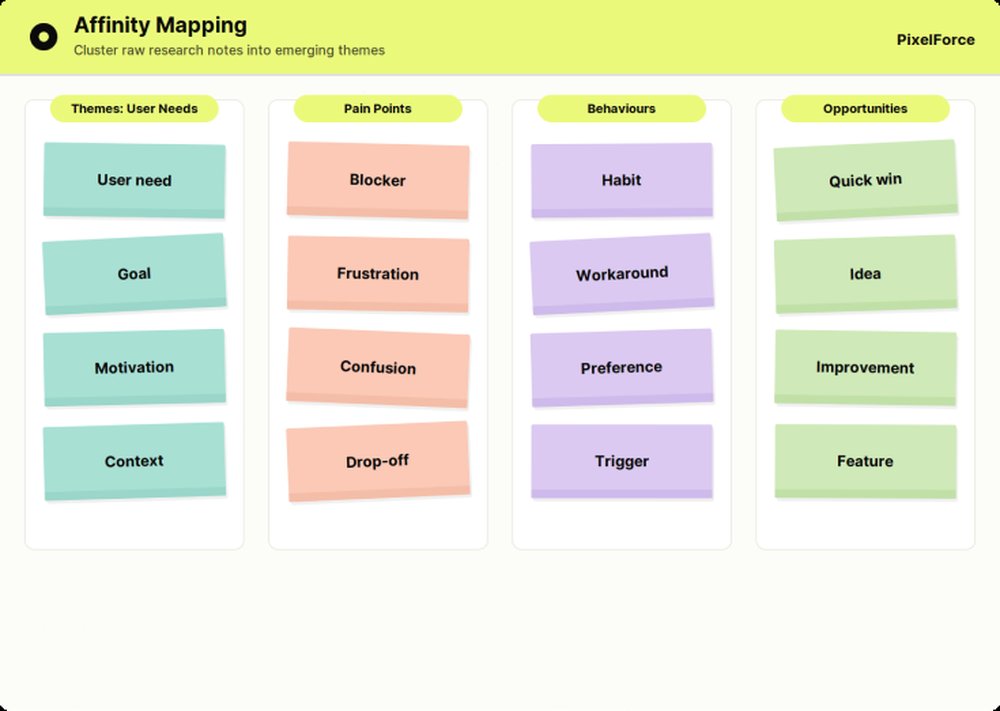
The engagement ran through Phase 1 Scoping and Design before any code was written. Workshops with Fiona turned the concept into a Business Requirements Document, a full UX/UI design, a Product Requirements Document and a fixed-cost Statement of Work. Scoping and design always precedes development at PixelForce, and for a self-funded founder that sequence is not a formality: it is the point at which the product gets small enough to be finishable, and the point at which the cost stops being an open question. User research into the postpartum year drove which features survived that process and which were cut.
Mumsly is built in Flutter, so iOS and Android ship from one source. For a two-person business that is the difference between launching on both stores and choosing one, and it keeps every later change a single piece of work rather than two. The app is organised as a small set of self-contained tools - meditation, breathing, gentle movement, mood log, reflection, connection suggestions - rather than a course a user progresses through, because a linear program assumes a continuity the first year after birth does not offer. A pebble garden gives the progress mechanic a gentle form: something that accumulates when a mother uses the app and does not reproach her when she does not.
Two constraints shaped the detail. The first is that the app is often used one-handed, in low light, by someone who is exhausted, so type sizes, tap targets and contrast were treated as core requirements rather than accessibility extras, and audio-led content carries the sessions where reading is impractical. The second is the sensitivity of what users write into it. Mood entries and reflections are private health data, so storage and access were designed against that standard from the outset under clear data privacy rules. The subscription sits behind a seven-day trial through the platform stores, and every release moves through structured quality assurance before it reaches either store.
Breathe · Move · Reflect
Short sessions, one hand, any hour.
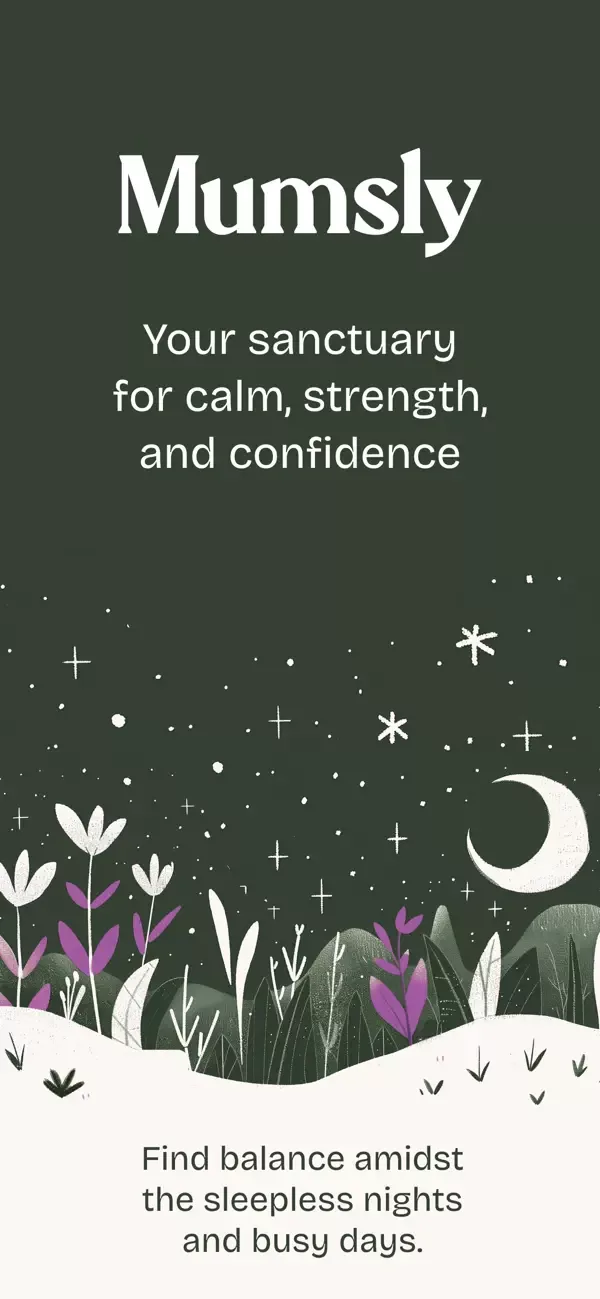
A wellness app built around the two minutes a mother actually has.
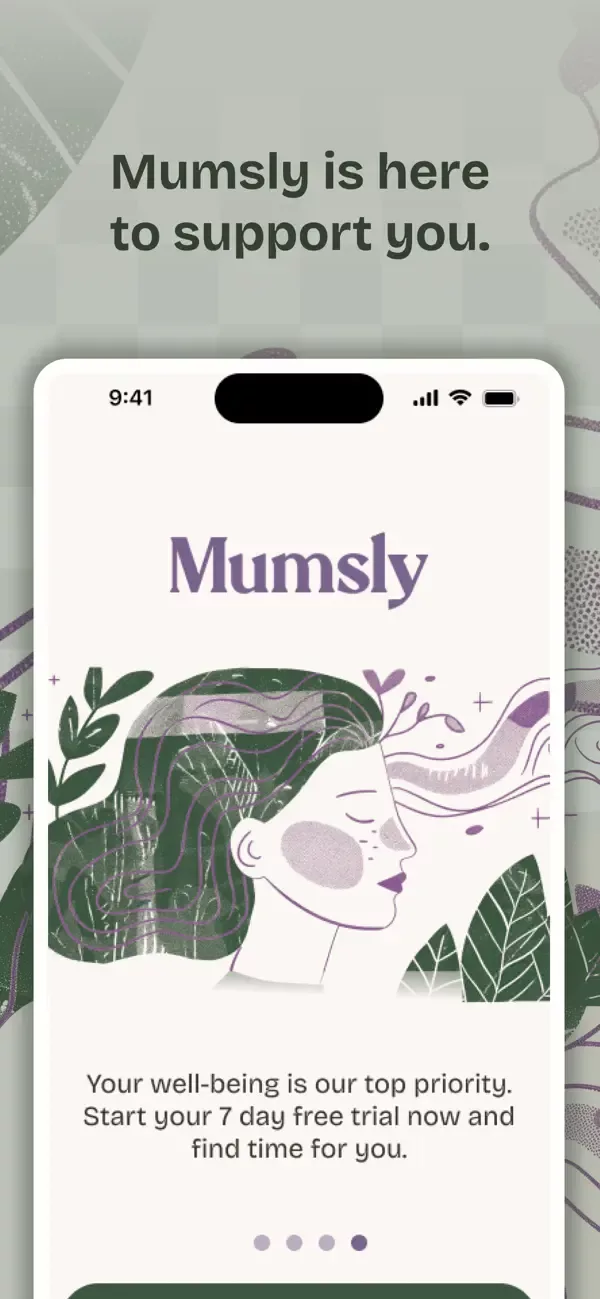
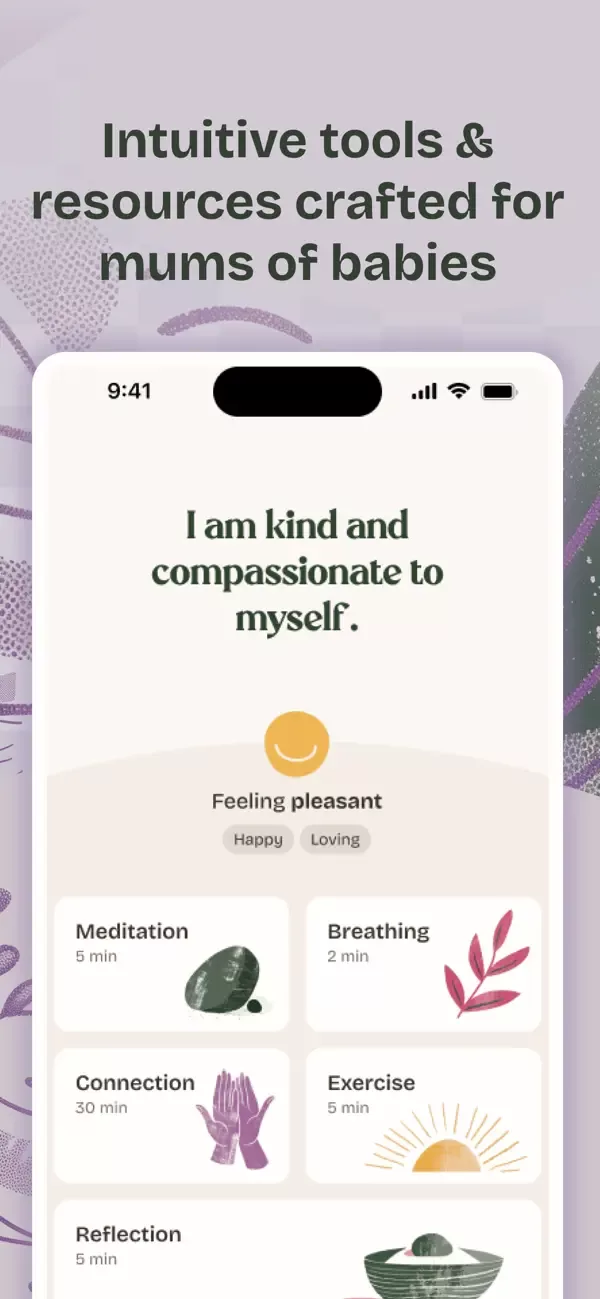
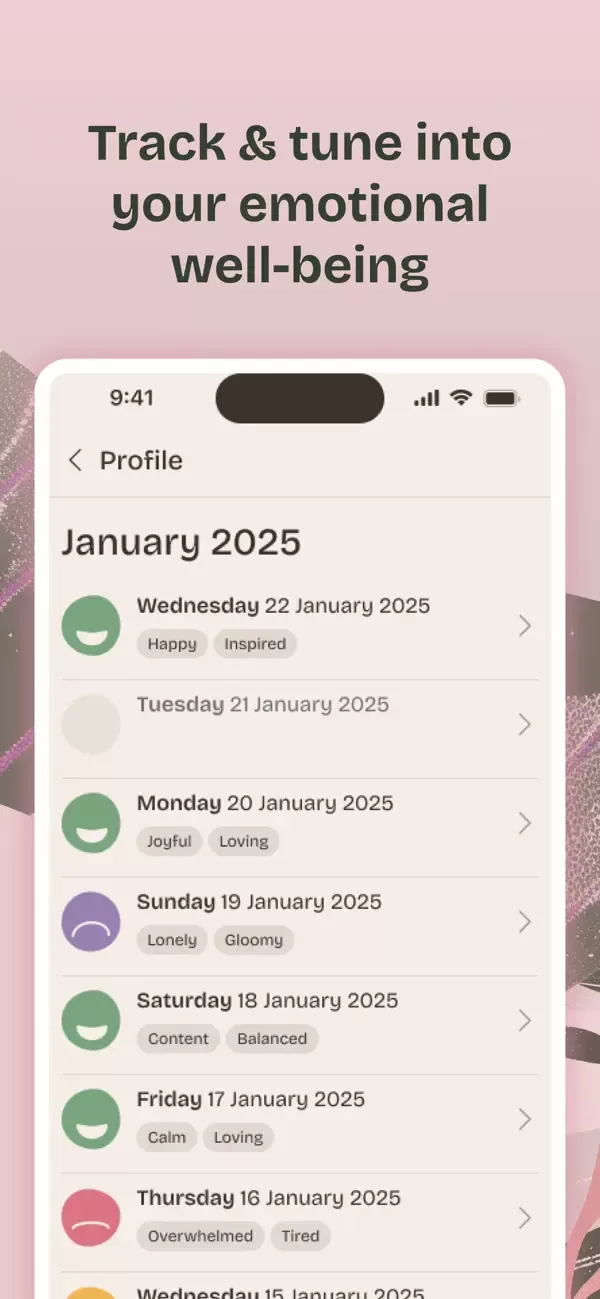
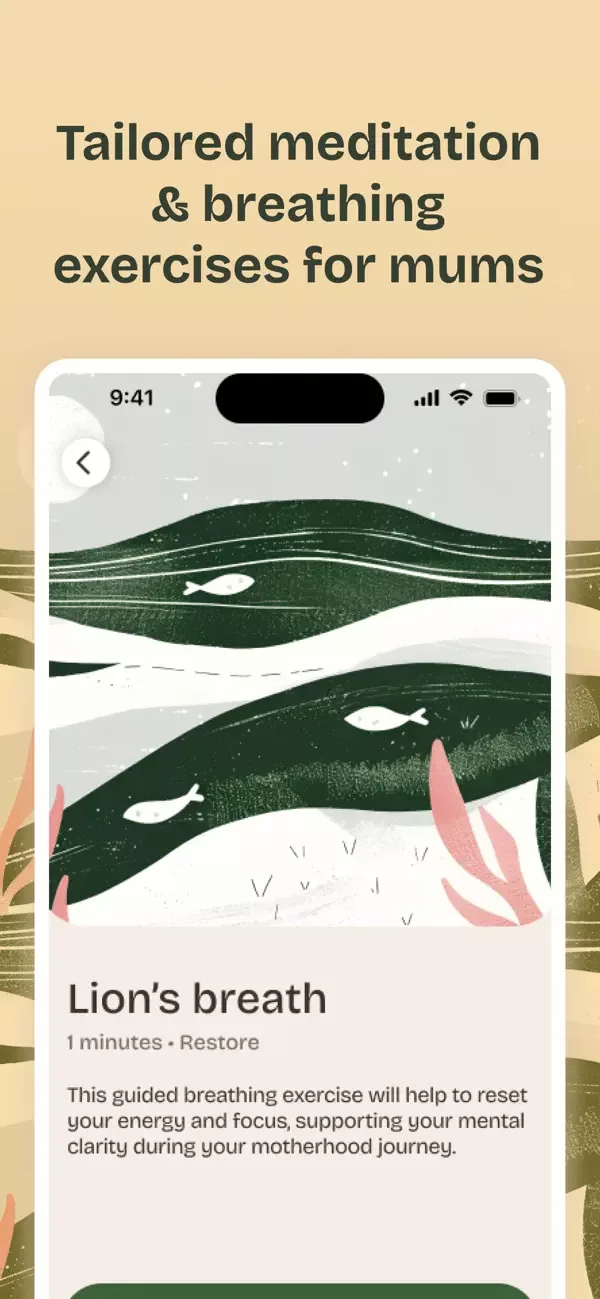

- Guided meditation
- Breathing exercises
- Gentle movement
- Mood log
- Reflection prompts
- The pebble garden
01 06
Guided meditation
Audio-guided meditation written for early motherhood rather than adapted to it. The sessions are short enough to complete in the gap a mother is actually given, and audio-led so they work when reading a screen is not practical.
02 06
Breathing exercises
Audio-guided breathing for the moments when something needs to change in the next ninety seconds. It is the lowest-effort tool in the app by design: no reading, no setup, no decision beyond starting it.
03 06
Gentle movement
Physio-approved gentle movement, including pelvic floor work, pitched at recovery rather than fitness. This is the part of a wellness app that has to be right in the first year after birth, because generic exercise content is not simply unsuitable for a recovering body, it is unsafe.
04 06
Mood log
A place to record how the day is going, quickly and without being evaluated for it. Logged over weeks it turns an undifferentiated stretch of time into something with a visible shape, which is often the first useful thing a mother can see about her own state.
05 06
Reflection prompts
Guided journal prompts rather than an empty page. A blank text field asks for energy that is in short supply; a specific question can be answered in a sentence, which is what makes the difference between a feature used once and a feature used at all.
06 06
The pebble garden
Progress in Mumsly accumulates as a pebble garden rather than as a streak. The distinction matters for this audience: a streak punishes the day a mother could not open the app, and the first year after birth contains a great many of those days.
Services in the Mumsly build
Frequently Asked Questions
Mumsly is a maternal wellness app for mothers in roughly the first year after birth, published by Kofuku Consulting Pty Ltd in Western Australia and founded by Fiona Ryan. It offers guided meditation, audio breathing exercises, physio-approved gentle movement including pelvic floor work, a mood log, reflection prompts and daily connection suggestions. PixelForce designed and built it for iOS and Android. It holds a 5.0 star rating from 25 ratings on the Australian App Store, accessed 26 July 2026.
No. Mumsly is a personal wellness app, not a social network or a community feed. There is no forum, no shared timeline and no posting to other users. Its connection feature works the other way around: it suggests small, specific ways to stay in touch with the people already in a mother's life. The app is built around private tools - meditation, breathing, movement, mood logging and reflection - that belong to the individual user.
PixelForce ran the full engagement, from scoping and UX/UI design through to release on both app stores. The app was built in Flutter, so iOS and Android ship from one codebase, and covers the meditation, breathing, gentle movement, mood log, reflection and connection features, the pebble garden progress mechanic, and the subscription handled through the platform stores.
Mumsly is free to download on iOS and Android and sells a subscription for full access. On the Australian App Store the subscription is AUD 1.99 per month or AUD 9.99 per year, following a seven-day free trial, accessed 26 July 2026. Prices are set by Mumsly and may differ by storefront.
Scoping and development are priced separately at PixelForce. Phase 1 Scoping and Design comes first and produces a Business Requirements Document, UX/UI design, a Product Requirements Document and a fixed-cost SoW. Phase 2 Development, QA and Release is quoted against that SoW, with a focused single-audience wellness app costing considerably less than a content-heavy platform. The exact cost is fixed before development starts.
The honest answer is that the timeline is set at the end of scoping, not before it. PixelForce runs a free consultation, then Phase 1 Scoping and Design, then Phase 2 Development, QA and Release, then Phase 3 Post Launch Support. Scoping and design always precedes development, which on a self-funded product is what keeps the first release small enough to finish and ship rather than large enough to stall.
Yes, and building cross-platform is usually how. Mumsly is run by two people who also fund it, and shipping iOS and Android from a single Flutter codebase meant one build to make and one build to maintain rather than two. For a small business the maintenance side matters more than the launch: every later change is one piece of work, not two.
Yes. Phase 3 Post Launch Support is part of every PixelForce engagement, offered either as a warranty, monitoring and support arrangement on a flat monthly fee, or as a full product retainer for clients who want continuous development, priced per four-week cycle against a committed story-point capacity in tiers named Steady, Growth, Scale, Velocity and Momentum, with Enterprise on application.
Up next
More products we have designed, built and launched end to end.
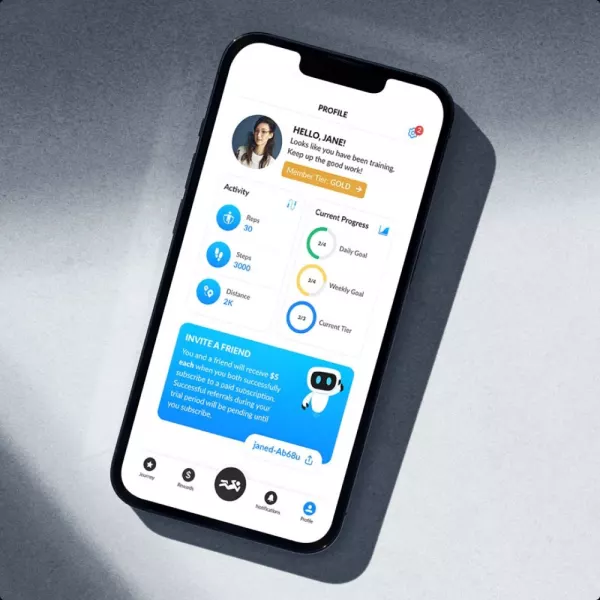
Fitbotic A camera that counted every rep
How we built a fitness app that counted every rep from the phone camera and paid people for the work.
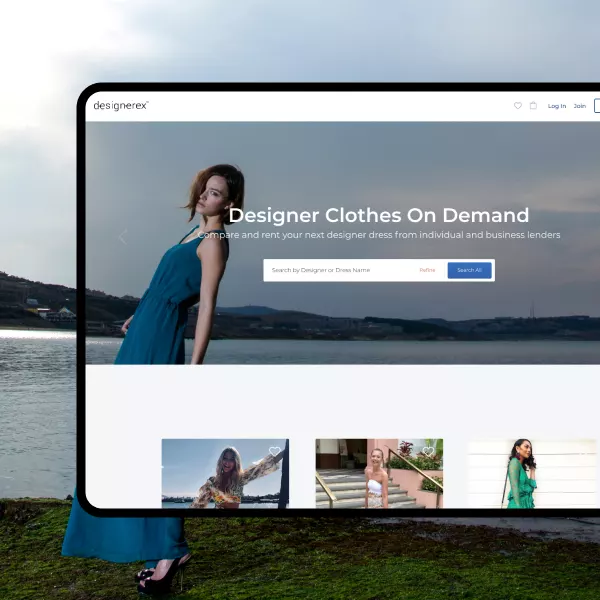
Designerex From offshore drift to onshore control
An onshore rescue and replatform of a peer-to-peer designer dress-sharing marketplace, without taking a live marketplace offline.