Cass Olholm is a qualified nutritionist, head coach and qualified pre and post natal trainer, and the founder of Train With Cass, a Brisbane-based training platform built on progression rather than aesthetics. The app that carried the business was not built by PixelForce, and it was failing in the most damaging way possible for a subscription product: it crashed during signup. Prospective members who arrived through a free trial hit an error before they ever reached a workout, and paying members who had already committed were losing access to programs they had bought. In a subscription business, every one of those sessions is a cancellation forming.

Crash rate down 90 percent, 99 percent uptime, and maintenance costs cut in half - without a day of disruption for members.
Stabilise first, decide second
PixelForce took over the Train With Cass fitness app from the developer who built it and stabilised it in place. The crash rate came down 90 percent, uptime reached 99 percent and maintenance costs were cut 50 percent, through a handover that members never noticed.
Crash rate Down 90%
Uptime achieved 99%
Maintenance costs Cut 50%
The Problem
The Solution
PixelForce took over the platform and treated it as a diagnosis problem rather than a bug list. A full technology audit mapped the codebase and the infrastructure, and logging and crash reporting were put in place so failures could be attributed to a cause instead of a symptom. The crashes were then fixed at their sources through targeted refactoring of the components responsible, with the handover from the previous developer run so that members kept training throughout.
The Outcome
The crash rate came down 90 percent, uptime reached 99 percent and maintenance costs were cut 50 percent. Signup stopped failing, the app became predictable enough to plan around, and the audit produced the evidence Cass needed to make an informed decision about the platform's future rather than a reactive one.

An inherited app that failed at the worst moment
Cass Olholm built Train With Cass around a coaching philosophy that is unusually specific: train for performance, not for appearance. Her credentials are the product - a qualified nutritionist, head coach and qualified pre and post natal trainer running structured programs for a community that follows her because of how she coaches. When that community is being asked to pay a monthly subscription, the app is not a marketing asset. It is the entire delivery mechanism, and its reliability is indistinguishable from her reliability.
The original build, delivered by another developer, did not hold. The app crashed frequently and ran slowly, and the failures clustered at the two points that cost the most: free trial signup, where interested followers were converting, and program access, where paying members were being turned away from content they had bought. Repeated repair attempts by the incumbent had not stopped the crashes recurring, which is itself diagnostic - it indicates a cause that was never found rather than a series of unrelated defects. Cass approached PixelForce needing the immediate bleeding stopped, and needing an honest technical assessment of whether the platform was worth keeping.
Crashes at the conversion point
The app failed during free trial signup, which is the single most expensive place for software to fail. Interested followers were being lost before they ever reached a workout.
Repairs that did not hold
Previous fixes had been applied and the crashes had returned. That pattern points to an undiagnosed root cause rather than a list of independent bugs, and it changes the work from patching to investigation.
A handover that could not disrupt members
Members were actively training in the app while ownership of the codebase and infrastructure changed hands. The transition had to be invisible to them, which meant mapping everything before changing anything.
A decision that needed evidence
Cass needed to know whether the platform could be maintained or whether it had to be rebuilt. That is a commercial decision, and it could not be made responsibly until someone had audited what was actually there.

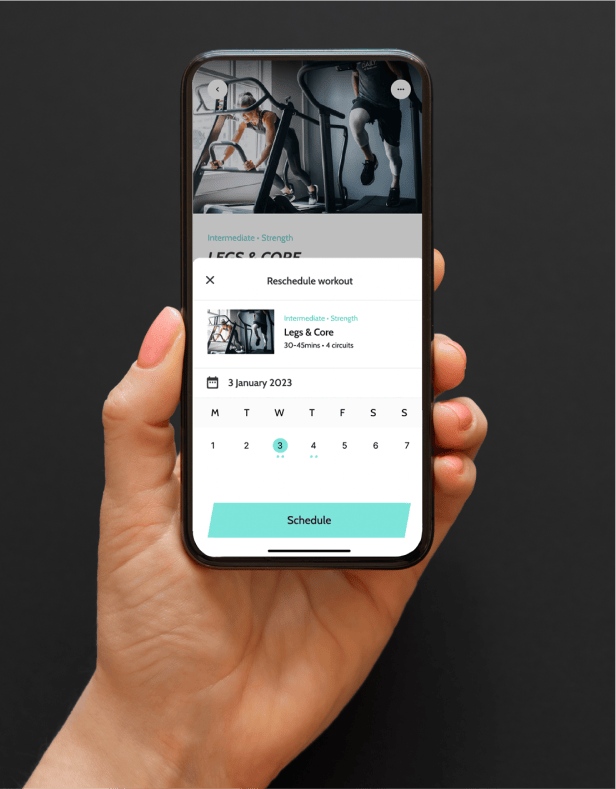
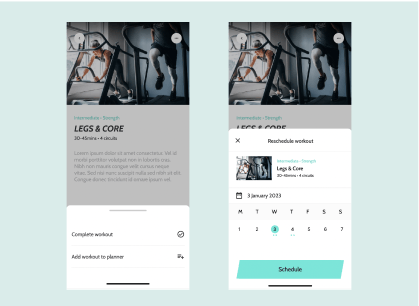
Train With Cass operates from Brisbane and PixelForce works from Adelaide and Sydney, and the engagement began under time pressure with members already affected. The cadence was set accordingly: frequent, short updates on what had been found and what had been fixed, rather than a monthly report. Cass had already been through a period of being told the instability was normal, so the working agreement was that every claim we made about the platform would be backed by something in the audit or in the crash data.
Hinney Lo Founder & CEO, PixelForce
Book a consultationWhen an app has been patched repeatedly and keeps crashing, the problem is almost never the patches. It is that nobody has instrumented the thing well enough to know what is actually failing. Audit first, measure second, fix third. Doing it in that order is what turns a rescue into a result instead of another round of guesses.
Swipe to explore
Rescue by diagnosis, not by patching
The first phase was deliberately not repair work. PixelForce ran a full technology audit of the codebase and infrastructure, documenting what existed, how it was deployed and where the structural weaknesses sat. At the same time, crash reporting and logging were instrumented so that a failure produced evidence rather than an anecdote. Until an app under rescue can tell you why it fell over, every fix is a guess, and guesses are exactly what had already been tried on this platform without success.
With the instrumentation in place, the failures resolved into a small number of recurring causes rather than the long, unrelated list they had appeared to be. Those components were refactored at the source and the fixes were verified through structured quality assurance before release, so that a repair could not reintroduce the behaviour it was meant to remove. Performance work on load times followed, because an app that starts slowly and an app that crashes feel identical to a member standing in a gym. The crash rate came down 90 percent and uptime reached 99 percent.
Taking over a live product from another developer is a project in its own right, and PixelForce ran it as one: inventory the infrastructure and accounts, document the system in writing, then move ownership in a controlled sequence rather than a single cutover. Members continued training throughout. The other half of the engagement was reporting back honestly. The audit set out which problems were fixable in place and which were consequences of the original architecture and would keep returning, and it quantified the technical debt carried in the codebase. Stabilisation cut maintenance costs 50 percent and bought the platform time. It also made clear that the ceiling was structural, and that conclusion is what led to the separate Train With Cass 2.0 rebuild.
Audit · Measure · Stabilise
Crash rate down 90 percent. 99 percent uptime. Maintenance costs cut 50 percent.
A failing app made predictable again, without a day of disruption for members.
- Technology audit
- Crash instrumentation
- Root-cause repair
- Controlled handover
- Performance recovery
- An honest recommendation
01 06
Technology audit
The engagement opened with a full audit of the codebase and infrastructure, documenting what had been built, how it was deployed and where the structural weaknesses were.
On a rescue this is not preparation for the work. It is the work. Everything that follows, including the decision about whether to keep the platform at all, depends on an accurate picture of what is actually there.
02 06
Crash instrumentation
Crash reporting and logging were put in place before repairs began, so that every failure produced evidence pointing at a cause. Once that instrumentation existed, a long list of apparently unrelated crashes resolved into a small number of recurring sources.
03 06
Root-cause repair
The components responsible were refactored at the source rather than patched at the point of failure, and each fix was verified through structured quality assurance before release. The crash rate came down 90 percent and uptime reached 99 percent.
04 06
Controlled handover
Ownership of the codebase, infrastructure and accounts moved from the previous developer in a documented, staged sequence rather than a single cutover, with the system written up as it was inventoried. Members kept training throughout and the transition was invisible to them.
05 06
Performance recovery
Load times and responsiveness were addressed alongside stability. To a member opening the app in a gym, a screen that takes too long and a screen that never arrives are the same experience, so responsiveness had to improve for the stability work to be felt.
06 06
An honest recommendation
The audit separated the problems that could be fixed in place from the ones that were consequences of the original architecture and would keep returning. Stabilisation cut maintenance costs 50 percent and bought the platform time, and the evidence that the remaining ceiling was structural is what led to the later rebuild.
Cass Olholm Founder, Train With Cass
After being managed by another agency, I approached PixelForce with numerous issues affecting the TWC app. PXF team wasn’t deterred, and their confidence in stabilising and improving the app was truly reassuring.Train With Cass

Services in the Train With Cass rescue
Frequently Asked Questions
Train With Cass is a subscription fitness app founded by Cass Olholm, a Brisbane-based qualified nutritionist, head coach and qualified pre and post natal trainer. It delivers structured training programs built around progression rather than appearance. PixelForce rescued and stabilised the original app after it was built by another developer, taking the crash rate down 90 percent, reaching 99 percent uptime and cutting maintenance costs 50 percent.
An app rescue is taking over a live product that is failing, from the team that built it, and making it stable without taking it offline. It is a different discipline from building new software: the constraints are an unfamiliar codebase, real users mid-session, and a history of attempted fixes. PixelForce runs a rescue as audit first, instrumentation second, root-cause repair third, and only then a recommendation about the product's future.
You stop repairing and start measuring. Crashes that return after being fixed usually indicate a cause that was never identified, not a run of unrelated defects. On Train With Cass, PixelForce instrumented crash reporting and logging before touching the code, which resolved a long list of apparently unrelated failures into a small number of recurring sources. Those components were refactored at the source, and the crash rate came down 90 percent.
Yes, and it is a managed project rather than a file transfer. PixelForce inventories the codebase, infrastructure and accounts, documents the system in writing while doing so, and then moves ownership in a controlled sequence rather than a single cutover. On Train With Cass the handover happened while members were actively training in the app, and the transition was invisible to them.
A rescue begins with an audit, because nobody can responsibly quote a repair on a codebase they have not read. At PixelForce, Phase 1 Scoping and Design covers the audit and the plan that comes out of it. Where the work extends into a rebuild, Phase 2 Development, QA and Release is quoted against the fixed-cost Statement of Work that Phase 1 produces. Stabilising an existing app usually costs far less than rebuilding it, which is exactly why the audit comes first.
On evidence, not instinct. The audit separates problems that can be fixed in place from problems that are consequences of the original architecture and will keep returning whatever you do to the surface. On Train With Cass, stabilisation cut maintenance costs 50 percent and made the app predictable, and the same audit showed that the remaining ceiling was structural. That evidence is what justified a later rebuild, rather than a rebuild being assumed at the start.
Stability has to be maintained or it decays again. PixelForce offers Phase 3 Post Launch Support as a warranty, monitoring and support arrangement on a flat monthly fee, or as a full product retainer for clients who want continuous development, priced per four-week cycle against a committed story-point capacity in tiers named Steady, Growth, Scale, Velocity and Momentum, with Enterprise on application. For a rescued platform, monitoring matters more than usual, because the instrumentation put in during the rescue is what keeps the next problem from becoming a surprise.
Up next
More products we have designed, built and launched end to end.

1MAC Anesthesia A direct line into anaesthesia coverage
How we built a two-sided marketplace where anaesthesia providers and United States healthcare facilities deal with each other directly.

littlegren A living product, sold online
A Shopify store built for a product people buy with their eyes, and sales that increased 300 percent year on year.