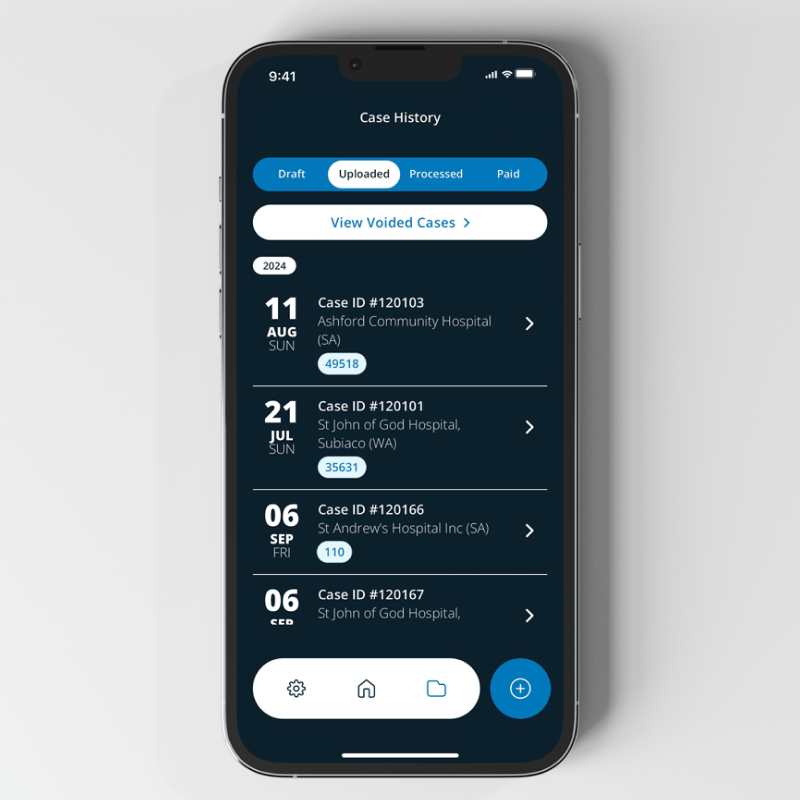
Flutter App Development Company Australia

PixelForce is an Australian Flutter app development company. We build one Dart codebase that ships to iOS and Android together, so a single in-house Adelaide team designs, builds and iterates your product instead of two native teams drifting apart.

  • AWS Advanced Tier Partner · 15+ accredited engineers
  • 98% first-time app store approval · 100+ products
  • 99.99% uptime across the shipped portfolio
  • 100% in-house development · Adelaide HQ
50M+Users served
100+Products shipped
98%First-time app store approval
99.99%Uptime across the portfolio

Three products built to reach both stores at once.

PixelForce is a cross-platform app development company, and the products below are the plainest evidence of what one product team shipping to iOS and Android together actually produces. NKO Club is a cross-platform wellness app spanning workouts, nutrition and mindset, built and launched for former Peloton instructor Kendall Toole and her two million-plus following, with 50 workouts across six modalities at launch and new classes added weekly. OpBill took a paper-and-spreadsheet process into a phone: the AI-powered optical character recognition claiming flow, Snap, Scroll, Done, made medical billing 90 percent faster with 98 percent user satisfaction, built in 4 months. Traininpink is the number one female-focused Pilates and fitness app in Italy, serving over 182,000 women with a 4.91 App Store rating, and has acquired over 40,000 paying subscribers since 2021. Three different markets, one operating model: a single product team owning the whole surface rather than two native squads negotiating with each other every sprint. That model is what a Flutter app development company is really selling. The framework is the mechanism; the commercial outcome is that a feature gets designed once, written once, tested once and released to both app stores at the same time, and that the roadmap after launch moves at one pace instead of two.

Medical billing, 90% faster.

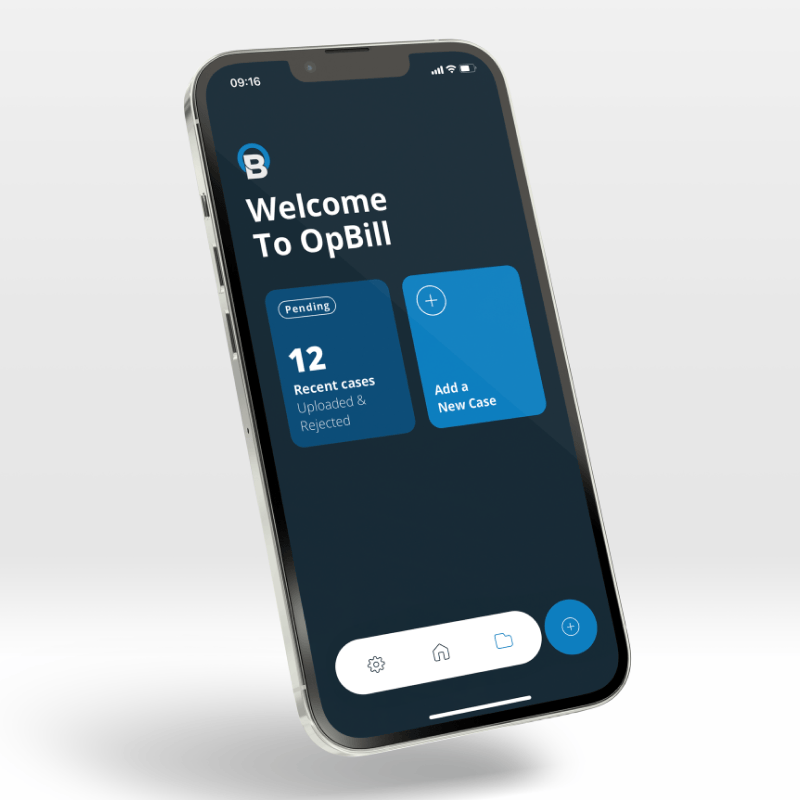
OpBill came to PixelForce with a process that ran on paper, a camera roll and a spreadsheet. What we shipped was Snap, Scroll, Done - an artificial-intelligence-powered optical character recognition claiming flow that made medical billing 90 percent faster with 98 percent user satisfaction, built in 4 months. Cross-platform mobile app development matters more than usual on a product like this. Clinicians do not standardise on a handset, so the claiming flow had to be identical whether it was opened on a two-year-old iPhone between consultations or on an Android device in a hospital corridor with poor reception. One codebase means one behaviour to specify, one set of edge cases to test, and one release to push when the billing rules change. It also means the roadmap after launch is not rationed between two platform backlogs. Building this twice, natively, would have cost twice the quality-assurance surface and delivered two subtly different products to a profession that has no patience for either.

OpBill medical billing app claiming screen OpBill claim capture and review screen
Built by PixelForce 90% faster billing · 98% user satisfaction

Recognised on both platforms, not just one.

Independent recognition for the team behind NKO Club, OpBill, Traininpink and SuspectED - Apple Best of Developers, Apple Watch and TV App of the Year, and Top Clutch App Development, Android App Development and iPhone App Development Company in Australia for 2026. That last detail is the one worth reading carefully if you are choosing a cross-platform partner: the recognition sits on the Apple side and the Google side, which is the only honest way to demonstrate that a single team can hold a standard on both stores at once. PixelForce is an AWS Advanced Tier Partner with 15+ AWS-accredited engineers, holds a 99.99 percent uptime rate and a 98 percent first-time app store approval rate across 100+ shipped products, and has served 50M+ users. A cross-platform build doubles your exposure to review: every release faces App Store Review and Google Play policy at the same time, so an approval record is worth more here than on a single-platform project.

Apple Watch App of the Year
Clutch Top User Experience Company
Apple TV App of the Year
Apple Best of Developers
Clutch Top App Development Company
Clutch Top Software Developers
Australian Technology Services Achiever
Web Excellence Awards (Website)
Web Excellence Awards (App)
ACS Digital Disruptor Gold Award
Clutch Top Android App Development
Clutch Top iPhone App Development

Why clients choose this Flutter app development company.

Four reasons founders, product leaders and enterprise teams pick PixelForce as their Flutter app development company rather than a generalist agency or an offshore build shop. Cross-platform is not a discount option and it is not a shortcut - it is a different operating model, and the value only lands if the team running it can also build native, knows where the framework stops, and is honest about that boundary before you have paid for a codebase rather than after. What follows is the case for hiring Flutter developers who will argue with your brief: a recommendation grounded in Phase 1 rather than in a preference, a Dart architecture written to survive two annual operating system releases, an in-house Adelaide team you speak to directly, and a willingness to tell you when native is the right answer and we should not take the work.

The framework decision comes from Phase 1

Most agencies have a framework and sell it to everybody who walks in. We decide yours in Phase 1 Scoping & Design, in front of you, using the 1-3-1 method: one problem, three options with their trade-offs, one recommendation across budget, timeline and scope. The inputs are your feature list, your hardware and ecosystem requirements, your hiring plan and your post-launch roadmap - not what our bench happens to be idle on. Sometimes the answer is Flutter across both stores. Sometimes it is native iOS first with Android to follow. Sometimes it is a progressive web application and no app store at all. You get the reasoning written down, so the decision survives a change of stakeholder.

  • 1-3-1: one problem, three options, one recommendation
  • Decided against your roadmap and hiring plan
  • Flutter, native or web - whichever the brief needs
  • Reasoning documented in the BRD and PRD

Dart architecture that survives two OS releases a year

The risk with cross-platform is not the first release, it is the third year. Apple and Google each ship a major operating system release annually, and a Flutter codebase carries exposure to both. We build with a layered Dart architecture, typed models, dependency injection and a test suite, and we keep the native platform-channel code thin and isolated so an SDK change touches one file rather than the whole product. Infrastructure runs on your own AWS account with the intellectual property transferring to you. PixelForce is an AWS Advanced Tier Partner with 15+ AWS-accredited engineers and holds a 99.99 percent uptime rate across 100+ shipped products.

  • Layered Dart architecture with a real test suite
  • Native platform-channel code kept thin and isolated
  • Your own AWS account, IP transfers to you
  • 99.99% uptime across 100+ shipped products

100% in-house Adelaide team

The people who scope your product design it, build it and ship it. PixelForce runs 100% in-house development from an Adelaide headquarters, so there is no subcontracting chain between the conversation and the commit and no timezone gap that turns a two-minute clarification into a two-day round trip. On a cross-platform build this matters more than it sounds, because a single codebase means a single set of decisions, and those decisions arrive faster than a distributed team can process them. Cadence is fixed and visible: squad sessions every 2 weeks, planning every 4 weeks, and sprint demos you attend rather than a status email you read.

  • 100% in-house development, Adelaide HQ
  • No subcontracting chain, no timezone gap
  • Squad every 2 weeks, planning every 4 weeks
  • Sprint demos you attend, not a status email

We will tell you when native is the right call

Flutter is not the answer to everything, and a company that says it is has stopped advising you. Deep hardware integration, watch and automotive surfaces, sustained on-device processing and Apple-only frameworks are all better served natively, and we build native iOS in Swift and SwiftUI and native Android in Kotlin and Jetpack Compose to a standard that has earned Apple recognition. We never scope something a client cannot afford to build, budget alignment happens at the first consultation rather than after a proposal, and declining a project or recommending against building at all is a valid outcome here. See our iOS app development and Android app development services for the native path.

  • Native Swift and Kotlin practices, not a fallback
  • Budget aligned at the first consultation
  • No development quote without a completed Phase 1
  • Recommending against a build is a valid answer

Flutter app development services we deliver.

Six Flutter app development services we have shipped repeatedly - cross-platform product builds, design systems that render identically on both platforms, lean first versions, the native integration work that platform channels make possible, migration onto Flutter from React Native or ageing native codebases, and the release management and support that keeps a Dart codebase current against two annual operating system releases. Take one, or combine several into a single engagement scoped in Phase 1. Most clients need three or four of the six, sequenced rather than bought at once. If your first version is the question rather than the platform, our MVP and startup app development service covers that ground, and if the product does not need an app store at all, look at progressive web app development.

Cross-platform Flutter app development

The core service: one Dart codebase, compiled ahead of time to native ARM machine code, shipping to the App Store and Google Play from the same source. Backend services and application programming interfaces, authentication, offline storage and synchronisation, payments and subscriptions, push notifications, analytics and the admin portal your own team lives in. Because Flutter draws its own widgets rather than borrowing the host operating system's, the product looks and behaves the same on both platforms without a second design pass, which is where cross-platform mobile app development actually earns its keep.

  • One Dart codebase, App Store and Google Play
  • Compiled ahead of time to native ARM code
  • Backend, API, auth, payments and analytics
  • Identical behaviour without a second design pass

Flutter UX/UI design and design systems

An enterprise-grade design system - colour, typography, accessibility, iconography and components - mapped directly onto Flutter widgets so what is designed is what is built. This is where cross-platform pays a second dividend most teams do not price in: one design system instead of a Material set and a Cupertino set kept loosely in sync, one accessibility audit, and one set of components to maintain as the product grows. High-fidelity screens cover every consumer surface and the key admin screens, delivered development-ready with the full user journey mapped end to end.

  • Design system mapped onto Flutter widgets
  • One component library, not two platform sets
  • Accessibility built into the system, audited once
  • Development-ready high-fidelity screens

Flutter MVP and rapid product builds

When the point of the first version is to test demand, reaching the widest realistic audience with one team is the whole argument for building an MVP in Flutter. NKO Club launched this way - a cross-platform wellness app spanning workouts, nutrition and mindset for former Peloton instructor Kendall Toole and her two million-plus following, with 50 workouts across six modalities on day one. The first release is deliberately narrow, properly instrumented so launch week produces evidence rather than anecdotes, and built on architecture that can grow rather than a prototype you have to throw away.

  • Both stores on day one, from one team
  • Deliberately narrow MVP feature set
  • Instrumented so launch week produces evidence
  • Shipped this way for NKO Club

Native integration and platform channels

The work that decides whether a cross-platform product feels first-class or merely adequate. Platform channels let Dart call directly into Swift and Kotlin, so a Flutter application can reach the camera, biometrics, Bluetooth, background location, HealthKit and Health Connect, Apple Pay and Google Pay, in-app purchase frameworks and any vendor software development kit with a native interface. We keep that native layer thin and behind a Dart interface so it stays testable and cheap to maintain, and we are explicit about the surfaces Flutter does not reach - watchOS and Wear OS companions are separate native targets.

  • Dart to Swift and Kotlin over platform channels
  • Camera, biometrics, Bluetooth and location
  • HealthKit, Health Connect, Apple Pay, Google Pay
  • Honest about what Flutter does not reach

Migration to Flutter from React Native or native

Teams come to us maintaining two diverging native applications, or a React Native codebase whose bridge has become the bottleneck, and want one product again. We audit first, then migrate incrementally rather than in a single risky rewrite, running the existing application in production while feature areas move across screen by screen. The design system is rebuilt once, the business logic is consolidated into Dart, and the native code that genuinely has to stay is isolated behind platform channels. If the existing platform is in worse shape than a migration can fix, our app rescue and modernisation service is the honest starting point.

  • Audit before any migration commitment
  • Incremental move, production app stays live
  • Business logic consolidated into Dart
  • Genuinely native code isolated, not rewritten

Release management and post-launch support

App Store and Google Play submission handled end to end - signing, release pipelines, listing metadata, privacy declarations and data-safety forms, TestFlight and Play testing tracks, and liaison through review. PixelForce holds a 98 percent first-time app store approval rate across 100+ shipped products. After launch there are two ways to engage: Warranty, Monitoring & Support at $4,000 per month, or the Product Retainer from Steady $10,000 to Momentum $50,000 per four-week cycle, which includes everything in the warranty option and adds a roadmap workshop, continuous sprints and quarterly business reviews.

  • Both store submissions handled end to end
  • 98% first-time approval across 100+ products
  • Warranty, Monitoring & Support from $4,000 per month
  • Product Retainer from $10,000 per four-week cycle

Number #1 in Italy, on every handset.

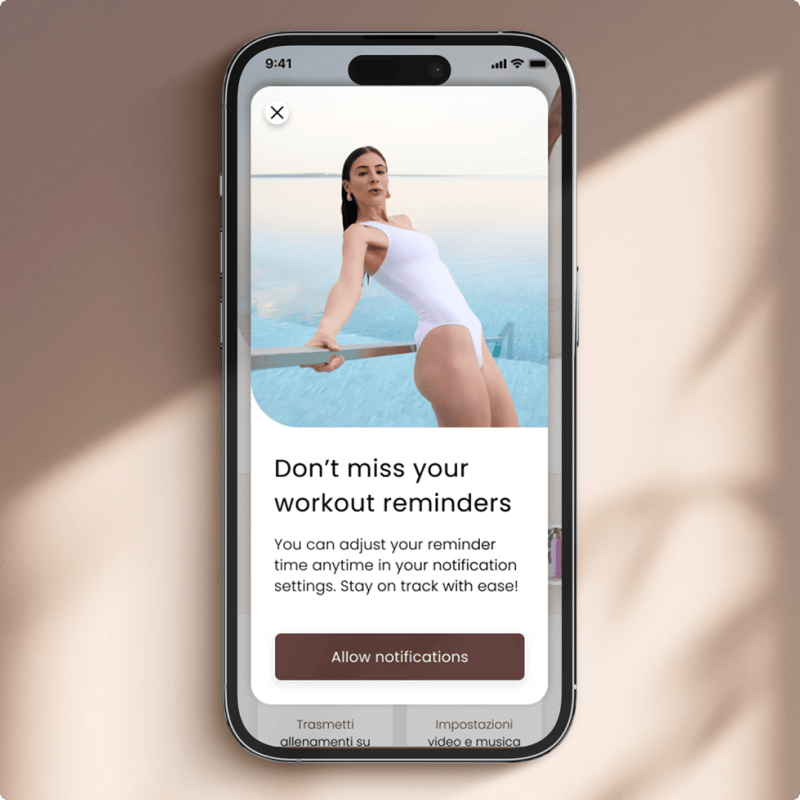
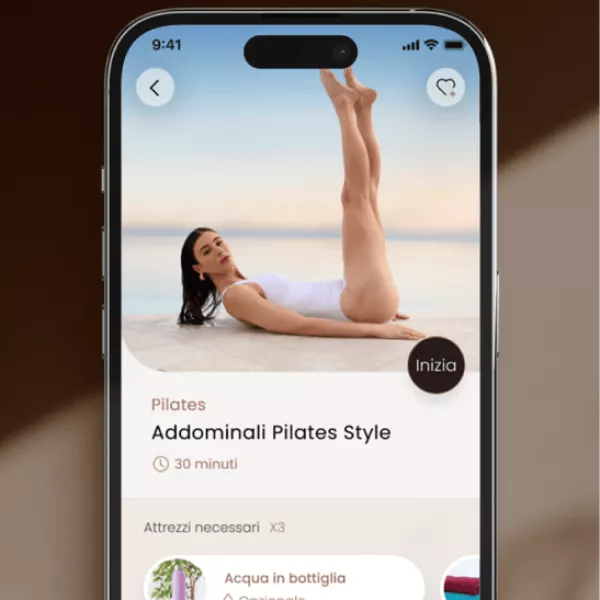
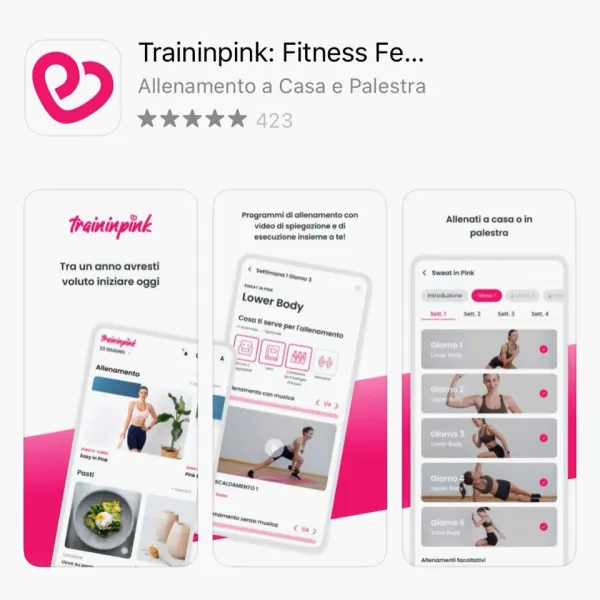
We built Traininpink into the number one female-focused Pilates and fitness app in Italy, serving over 182,000 women with a 4.91 App Store rating; since 2021 the platform has helped acquire over 40,000 paying subscribers. A rating that high across a user base that large is not an accident of taste - it is a consistency result. Consumer fitness audiences do not sort themselves by platform, so the product has to be equally good on a current iPhone and on a mid-range Android handset three operating system versions behind, and a rating collapses the moment one of those two experiences is the poor relation. That is the strongest practical argument for cross-platform app development: not the cost of the build, but the fact that there is only one experience to hold to a standard. One codebase, one behaviour, one release train, and a review score that reflects the whole audience rather than the half of it that happened to get the attention.

Traininpink app onboarding screen Traininpink app workout programme screen
Built by PixelForce 4.91 App Store rating · 182,000+ women

How a Flutter build is scoped and priced.

Three engagement models, in the order they normally run. Every figure below is an envelope shaped by scope, never a fixed quote off a rate card, which is exactly why Scoping & Design comes first and why no development quote is issued without it. Flutter app development cost is driven by what is actually being built - how many user roles, how many integrations, how much regulated or financial logic sits underneath, whether there is an admin portal and a web surface as well as the two mobile stores - not by the framework you picked. Anybody quoting a cross-platform build from a feature list and a phone call is guessing, and the guess will be wrong in the direction that suits them. Read the two build numbers together, because a real product needs both phases.

Phase 1 · Scoping & Design

$35,000 to $65,000

The mandatory first phase of every build, and a standalone commitment. Preliminaries and two strategic workshops produce the Business Requirements Document, a complete enterprise-grade UX/UI design covering every consumer screen and the key admin screens, a Product Requirements Document, and a fixed-cost Statement of Work for development. This is also where the framework decision is made and written down: Flutter across both stores, native iOS or Android, or a web-first approach, with the trade-offs recorded rather than assumed. You can stop here if the evidence says stop. No Blueprint, no Build.

  • Two strategic workshops, priorities locked
  • BRD, PRD and full UX/UI design
  • Framework decision documented with trade-offs
  • Fixed-cost SoW for development

Phase 3 · Post Launch Support

From $10,000 per 4 weeks

Two options after launch. Option 1, Warranty, Monitoring & Support, is $4,000 per month and covers the critical-bug warranty, 24/7 infrastructure monitoring, business-hours incident response, advance notice of required third-party updates, technical support capped at seven hours per month and a monthly Platform Health Report. Option 2, the Product Retainer, includes everything in Option 1 and adds a roadmap workshop in month one, continuous sprints shipping designed features into production, and quarterly business reviews. It is priced per four-week cycle against a committed story-point capacity: Steady $10,000, Growth $20,000, Scale $30,000, Velocity $40,000, Momentum $50,000, Enterprise on application. Cross-platform products lean on this harder than most, because two annual operating system releases land on one codebase.

  • Option 1 - Warranty, Monitoring & Support, $4,000 per month
  • Option 2 - Product Retainer, from $10,000 per four-week cycle
  • Roadmap workshop in month one, then continuous sprints
  • Kept current against two annual OS releases

What goes into a Flutter build that holds up.

Six layers that appear in nearly every cross-platform product we build, whatever the market. This is the part worth looking hardest at when you compare Flutter app development companies, because the difference between a cross-platform build that ages well and one that becomes a rewrite lives underneath the screens - in how state is managed, how thin the native layer is, how the release pipeline is wired, and whether anybody tested on the cheap Android handset your users actually own.

Architecture and state management

The layer that decides whether year three is maintenance or a rewrite. We separate presentation, domain and data, and pick a state management approach to suit the product rather than the fashion.

  • Layered Dart architecture, presentation to data
  • State management chosen to fit the product
  • Typed models and dependency injection
  • Unit and widget test coverage
  • Feature-first structure the next team can read

Onboarding, accounts and identity

Nothing else matters if people do not reach the core action. We build the shortest credible path from install to value and instrument every step, so drop-off is visible rather than guessed at.

  • Email, social, Sign in with Apple and passwordless
  • Shortest path from install to first value
  • Profile and account management
  • Password reset and account recovery
  • Drop-off instrumented at every step

Payments and subscriptions

Both stores impose their own in-app purchase rules, and a cross-platform product has to satisfy both from one codebase. We build the entitlement and renewal logic once and design for the failure cases that quietly cost money. Processor and store fees change, so check each provider's current pricing.

  • In-app purchase on both stores from one codebase
  • Card payments through your chosen gateway
  • Entitlement, trial and renewal logic
  • Declines, retries and refunds handled
  • Revenue events fed into analytics

Offline behaviour and synchronisation

Mobile products live on unreliable networks, and the cross-platform advantage disappears if offline behaviour is specified twice and implemented differently. One codebase means one set of conflict rules.

  • Local persistence and cache invalidation
  • Queued writes with retry and backoff
  • One conflict-resolution policy, not two
  • Graceful degradation on poor connections
  • Background sync where the platform allows it

Analytics, crash reporting and performance

A product without instrumentation is an expensive opinion. Success metrics are defined during Scoping & Design and the tracking that measures them is built alongside the features, split by platform so a regression on one store is visible.

  • Success metrics defined before the build
  • Funnel, activation and retention events
  • Crash reporting with Dart stack traces
  • Frame timing and startup performance tracked
  • Reporting split by platform, not merged

Infrastructure and dual-store release pipeline

Cloud infrastructure, continuous integration and delivery, and monitoring on your own AWS account, with a pipeline that builds, signs and ships both stores from one commit. This is the layer that decides whether a fix takes hours or a fortnight.

  • Your own AWS account, IP transfers to you
  • One pipeline building and signing both stores
  • TestFlight and Google Play testing tracks
  • Monitoring, alerting and crash reporting
  • Tested on real low-end Android hardware

One conversation.
Three phases.
Built to grow.

The same canonical PixelForce engagement model behind 100+ shipped products and $1.5B+ in combined client revenue, applied to your Flutter app. The 1-3-1 method runs through every conversation - one problem, three options with honest trade-offs across budget, timeline and scope, one recommendation. No Blueprint, no Build.

  1. 0
    Free

    Discovery call

    A free, no-obligation conversation to find the right path for your Flutter app before you commit a dollar.

    • Mutual NDA signed up front
    • 1-3-1 method: one problem, three options, one recommendation
    • Honest trade-offs across budget, timeline and scope
    • A straight answer on what a credible build looks like
  2. 1
    4-8 weeks

    Scoping & Design

    Everything you need to build with total confidence - a fully costed, designed plan with no scope surprises.

    • Strategic workshops and BRD
    • Full UX/UI design system, every screen built
    • PRD and a fixed-cost Statement of Work
    • No Blueprint, no Build - Phase 1 before any Phase 2 quote
  3. 2
    3-6 months

    Development, QA and Release

    From approved designs to your live Flutter app, built and tested at a steady sprint cadence.

    • Sprint cadence with regular demos
    • QA across iOS, Android and the edge cases
    • End-to-end App Store and Google Play submission
    • Built to scale from 1,000 to 1,000,000 users
  4. 3
    Ongoing

    Post Launch Support

    We do not disappear at launch - monitoring, warranty, and an optional retainer keep your Flutter app growing.

    • 24/7 monitoring and a critical-defect warranty
    • Ongoing technical support
    • Optional Product Retainer: four-week sprints and quarterly reviews
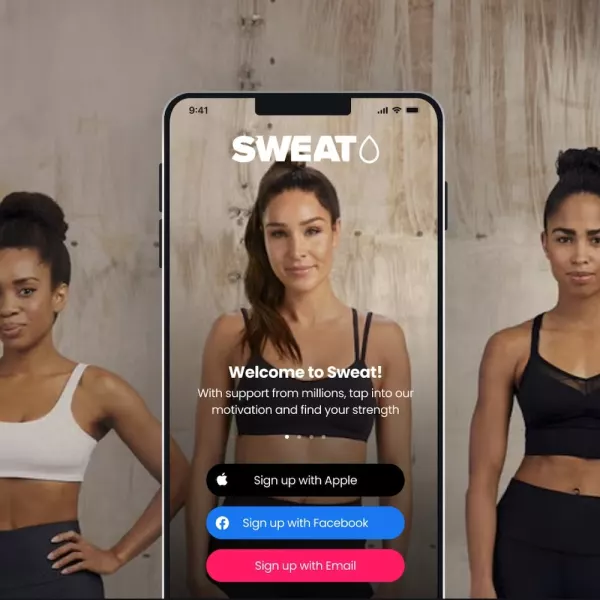
    • The model that grew SWEAT to a $400M platform

Cross-platform app development case studies.

Selected cross-platform work, built by a 100% in-house Adelaide team you would actually work with on your product. Read these for the decisions rather than the screenshots - what shipped in version one, what was deliberately held back, which parts genuinely needed native code, and what the first month of real usage changed. Between them they cover the profiles we see most often: creators launching to an existing audience, operators digitising a paper process, and platforms that grew past the architecture they started on.

The Recipe Hub

The Recipe Hub From recipe feed to nutrition platform

Gold Coast, Australia The Recipe Hub

PixelForce built The Recipe Hub, a cross-platform iOS and Android nutrition app for coach Chloe Condon: macro-friendly recipes, tracking and meal planning.

SWEAT

SWEAT The World's #1 Female Fitness App

Adelaide, Australia Sweat

How PixelForce built and scaled SWEAT with Kayla Itsines and Tobi Pearce - from an Adelaide startup to 30 million+ users across 155 countries and a reported $400 million exit.

NKO Club

NKO Club A Country Club for Misfits

United States NKO Club

How PixelForce designed and built NKO Club, former Peloton instructor Kendall Toole's holistic wellness app - movement, mindset and nutrition across iOS, Android and web, launched in five months.

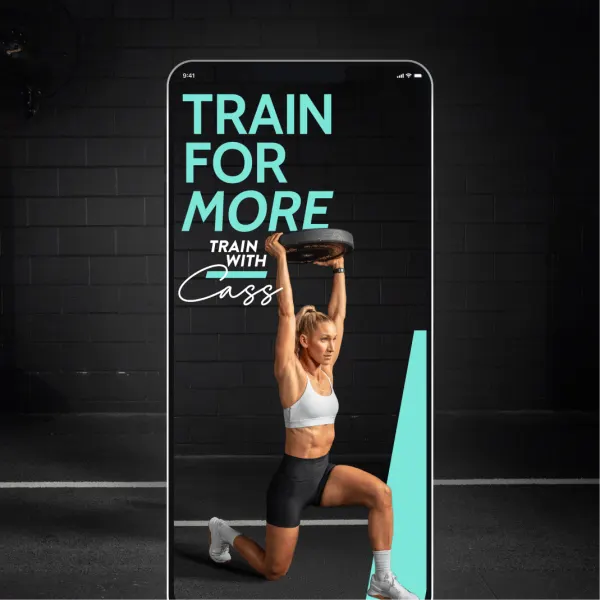
Train With Cass 2.0

Train With Cass 2.0 One codebase, both platforms

Brisbane, Australia Train With Cass

PixelForce rebuilt Train With Cass on Flutter for iOS and Android. The app reached Android for the first time ever on 25 March 2026, from one codebase.

Traininpink

Traininpink Italy's number one, built for women

Italy | Dubai, UAE Traininpink

PixelForce built Traininpink, Italy's number one female-focused Pilates and fitness app, serving over 182,000 women and 40,000+ paying subscribers since 2021.

Pilates Obsession

Pilates Obsession From Studio to Global Platform

Melbourne, Australia Pilates Obsession

How PixelForce built Pilates Obsession, a cross-platform fitness app for instructor Sara Colquhoun - structured Mat and Reformer programs and an on-demand class library, launched in three months.

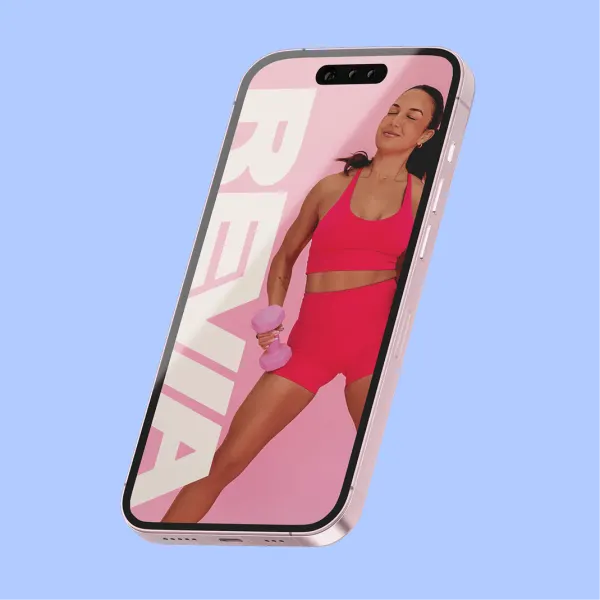
Revia

Revia Hybrid training, without the intimidation

Brisbane, Australia Revie Jane

PixelForce built Revia, Revie Jane's hybrid training app for women, which reached number 3 in Apple's Health and Fitness category within 48 hours of launch.

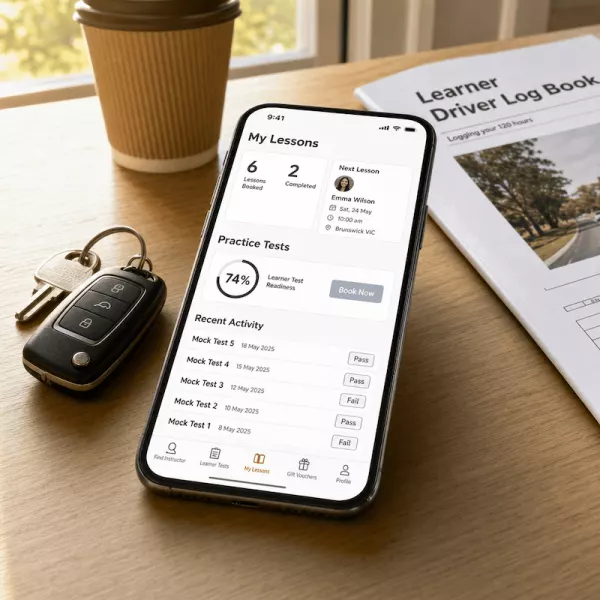
EzLicence UK

EzLicence UK From Australia to the United Kingdom

United Kingdom EzLicence

PixelForce helped EzLicence take its proven two-sided driving-lesson marketplace from Australia to the UK, localised for UK learners, instructors and payments.

Fitstop

Fitstop From a Queensland garage to a four-country franchise

Brisbane, Australia Fitstop

PixelForce built the Fitstop member app and franchisee operations portal across 100+ gyms and 50,000+ members, lifting retention by more than 10 percent.

Fitbotic

Fitbotic A camera that counted every rep

Adelaide, Australia Fitbotic

PixelForce designed and built Fitbotic, a fitness app that counted reps and checked form from the phone camera and paid users a cash reward for completed workouts.

Designerex

Designerex From offshore drift to onshore control

Sydney, Australia Designerex

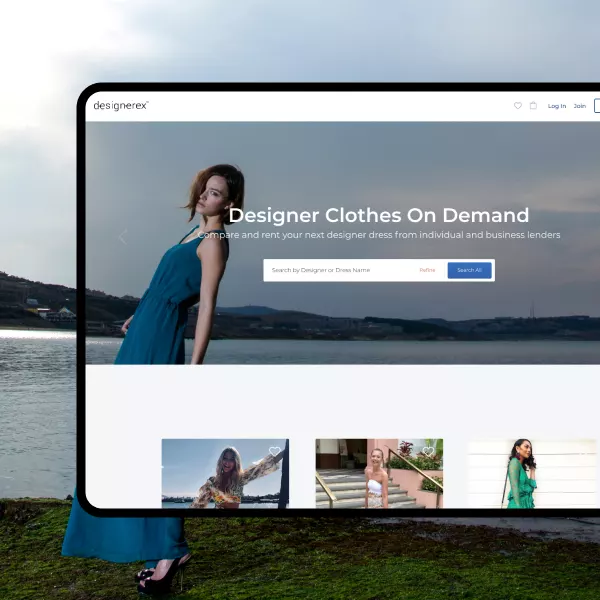
PixelForce brought Designerex onshore and replatformed the peer-to-peer designer dress-sharing marketplace. It grew 650 percent since the pandemic.

Traininpink Onboarding

Traininpink Onboarding The first five minutes

Italy | Dubai, UAE Traininpink

PixelForce instrumented and rebuilt onboarding for Traininpink, the Italian Pilates and nutrition app, routing new users to a personalised plan sooner.

Flutter app development questions.

The questions clients ask before committing to a cross-platform build - what Flutter is and why it matters commercially, what Flutter app development costs in Australia, whether it can reach native iOS and Android features, whether performance holds up, how it compares with React Native, how long a build takes, what happens with Apple Watch, Apple Pay and Apple Health, who handles the App Store and Google Play submissions, what we do when Flutter is the wrong answer, what support looks like after launch, whether Flutter is still the right default, and how to choose a Flutter app development company at all. If your question is not here, ask it on a discovery call - that call exists for exactly this.

Flutter is Google's open-source framework for building iOS, Android, web and desktop applications from a single Dart codebase. Google, BMW, eBay, Alibaba and Toyota all ship Flutter in production. What matters commercially is the operating model it creates: one team, one codebase, two platforms. Instead of an iOS squad and an Android squad building the same feature twice and drifting apart on behaviour, one product team writes a feature once, tests it once and releases it to both stores. Flutter also draws its own user interface through its own rendering engine, so a screen looks and behaves the same on an iPhone and on an Android handset without a second design pass and a second round of visual QA. For most consumer and business products that is the difference between iterating every week and iterating every fortnight.

Flutter app development at PixelForce is priced as an envelope shaped by scope: Phase 1 Scoping and Design typically $35,000 to $65,000, then Phase 2 Development, QA and Release typically $100,000 to $350,000.

Every PixelForce engagement is priced as an envelope shaped by scope, never as a fixed quote off a rate card, which is exactly why Scoping & Design comes first.

Phase 1 - Scoping & Design is typically $35,000 to $65,000 and is mandatory before any build. No Blueprint, no Build. It delivers the Business Requirements Document (BRD), a complete enterprise-grade UX/UI design, the Product Requirements Document (PRD) and a fixed-cost Statement of Work (SoW) for development.

Phase 2 - Development, QA and Release is typically $100,000 to $350,000, set by what is actually being built: web or mobile, single-sided or multi-sided, how many integrations, and how much regulated or financial logic sits underneath. The $350,000 figure is a recommendation rather than a ceiling. Even with a larger budget we advise capping version one near it and channelling the rest into evidence-led iteration after launch.

Phase 3 - Post Launch Support is either Warranty, Monitoring & Support at $4,000 per month, or the Product Retainer from Steady $10,000 to Momentum $50,000 per four-week cycle, with Enterprise on application.

The honest number for your build comes out of Phase 1, not out of a web page.

A Flutter app can reach native iOS and Android features through platform channels, which let Dart call directly into Swift and Kotlin, covering camera, biometrics, Bluetooth, background location, notifications, payments and health data.

Yes, through platform channels, which let Dart call directly into Swift on iOS and Kotlin on Android. In practice a Flutter application can use the camera, biometrics, Bluetooth, background location, push notifications, in-app purchases and subscriptions, HealthKit and Health Connect, Apple Pay and Google Pay, and any first-party or third-party software development kit that exposes a native interface. The pattern we use is a thin native layer behind a Dart interface, so the platform-specific code stays small, testable and cheap to maintain while the product logic stays in one place.

The cases where we recommend native instead are deep hardware and ecosystem integration - CarPlay, Android Auto, Apple Watch complications, Wear OS sensors - and products whose core value depends on an Apple-only framework such as ARKit or Vision. That recommendation is made during Phase 1 with the trade-offs written down rather than discovered mid-build. If your brief lands in that territory, our iOS app development and Android app development pages cover the native work.

Flutter performance is good enough for the overwhelming majority of consumer and business applications, because it compiles ahead of time to native ARM machine code and draws its own widgets on the graphics processor.

For the overwhelming majority of consumer and business applications, yes. Flutter compiles ahead of time to native ARM machine code rather than interpreting JavaScript at runtime, and it draws its own widgets on the graphics processor, so scrolling, animation and screen transitions stay smooth on both platforms. Startup time, list performance and gesture responsiveness are all comparable to a well-built native application.

The workloads where native still wins are sustained on-device machine learning, advanced augmented reality, real-time video or audio processing, and anything that has to reach a brand-new platform capability on the day it ships. Those are engineering decisions, not framework loyalty, and they belong in Phase 1. One practical note from experience: we test on real low-end Android hardware rather than only on a simulator, because that is where cross-platform builds reveal their weaknesses.

Choosing between Flutter and React Native comes down to rendering and team fit: Flutter ships its own rendering engine for identical fidelity across platforms, while React Native suits organisations that already run a React web team.

Both are credible production frameworks and we have engineers in each. The difference that matters most is how they render. Flutter ships its own rendering engine, so what you designed is what appears on every device and user interface fidelity is identical across iOS and Android. React Native renders through the host operating system's own components, so the two platforms diverge subtly and you spend design and quality assurance time reconciling them.

Flutter compiles to native ARM code. React Native runs JavaScript across a bridge to the native layer. React Native remains the stronger choice when your organisation is already a React web team and you want to share people, patterns and libraries with an existing web product. Flutter is the stronger choice when the product is design-led or animation-heavy, and when you want one team owning both stores. We make the call in Phase 1 against your team, your roadmap and your hiring plan, not against a preference.

A Flutter app build takes as long as its scope requires, with Phase 1 Scoping and Design producing a fixed-cost Statement of Work that carries the full schedule and milestones before any date is committed.

Timelines are set by scope, not by the framework. Phase 1 Scoping & Design runs as its own engagement and produces the blueprint plus a fixed-cost Statement of Work with a full schedule and milestones. Phase 2 then runs the standard shape: foundation setup and authentication, backend services and cloud infrastructure, the app build and integration across iOS and Android and any admin portal, internal quality assurance against the PRD acceptance criteria, client User Acceptance Testing, then App Store and Google Play submission.

Building one Flutter codebase is faster than building and maintaining two separate native applications, because each feature is designed once, written once, tested once and released once instead of twice. The saving is real, but it is a function of your feature list rather than a fixed percentage, and anybody quoting you one without seeing your scope is guessing. We commit to dates in the Statement of Work after Phase 1, never before it.

A Flutter app can integrate with Apple Pay and Apple Health through platform channels, but Apple Watch is the exception: a watchOS application is a separate native Swift target that Flutter does not build for you.

Apple Pay and Apple Health, yes. Both are reached from Dart through platform channels with a thin layer of native Swift behind them, and the same applies to Google Pay and Health Connect on the Android side.

Apple Watch is the honest exception, and it is worth being precise about it. A watchOS application is a separate native target written in Swift and SwiftUI. Flutter does not build it for you, so a watch companion is additional native work sitting alongside the Flutter application rather than something the cross-platform codebase gives you for free. The same is true of Wear OS on Android. If a watch experience is central to your product rather than an accessory to it, that is a genuine argument for going native, and we will say so in Phase 1 rather than after you have paid for a codebase that cannot get you there. Our iOS app development page covers the Apple ecosystem work.

PixelForce handles App Store and Google Play submissions end to end for Flutter products, covering account setup, build signing, store listing metadata, privacy declarations, policy compliance, beta distribution and liaison through the review process.

Yes, end to end. That covers Apple Developer and Google Play Console account setup, build signing and release pipelines, store listing metadata including titles, descriptions, keywords and screenshots, privacy declarations and data-safety forms, compliance with the App Store Review Guidelines and Google Play policies, beta distribution through TestFlight and Google Play testing tracks, and liaison through the review process itself.

PixelForce holds a 98 percent first-time app store approval rate across 100+ shipped products. That number is not a vanity metric. A rejected submission costs a launch window, and for a funded product a launch window is usually the most expensive line on the plan. Both stores change their submission requirements continually, and keeping current with them is part of the job rather than a surprise.

If Flutter does not fit your brief, PixelForce does not build it in Flutter, because native iOS in Swift and SwiftUI and native Android in Kotlin and Jetpack Compose are first-class practices here rather than a fallback.

Then we do not build it in Flutter. PixelForce builds native iOS in Swift and SwiftUI and native Android in Kotlin and Jetpack Compose, and both are first-class practices here rather than a fallback.

Flutter is the default recommendation for products where one team shipping to both stores is the commercial advantage. Native is the recommendation where the product depends on deep hardware integration, a watch or automotive surface, sustained on-device processing, or a deliberately single-platform go-to-market. The call is made in Phase 1 Scoping & Design using the 1-3-1 method: one problem, three options with their trade-offs, one recommendation across budget, timeline and scope. Declining to sell you a cross-platform build you should not have is a valid outcome here, and over 100+ shipped products that has been worth more to clients than enthusiasm.

Ongoing support for a Flutter product runs through Phase 3, either Warranty, Monitoring and Support at $4,000 per month or a Product Retainer priced per four-week cycle from Steady at $10,000 to Momentum at $50,000.

Phase 3, Post Launch Support, has two options and you choose one.

Option 1 - Warranty, Monitoring & Support is $4,000 per month: critical-bug warranty, 24/7 infrastructure monitoring with proactive alerts, business-hours critical incident response, advance notice of required third-party updates with the cost implications upfront, technical support capped at seven hours per month, and a monthly Platform Health Report.

Option 2 - the Product Retainer includes everything in Option 1 and adds a product roadmap workshop in month one, continuous sprints shipping designed features into production, structured sprint planning and quarterly business reviews. It is priced per four-week cycle against a committed story-point capacity: Steady $10,000, Growth $20,000, Scale $30,000, Velocity $40,000, Momentum $50,000, and Enterprise on application.

For a Flutter product this matters more than usual. Apple and Google each ship a major operating system release every year, and a cross-platform codebase has to be kept current against both of them or it quietly rots.

Flutter is a sound choice for most new mobile products in 2026: it is mature, backed by Google, used in production by large enterprises, and supported by a deep package ecosystem and an accessible hiring market.

For most new mobile products, yes, and it is the cross-platform framework we recommend by default. Flutter is mature, backed by Google, used in production by large enterprises, and supported by a deep package ecosystem covering payments, analytics, mapping, media, authentication and offline storage. The hiring market has followed: Dart and Flutter engineers are straightforward to recruit in Australia and to keep, which matters when you have to maintain the product for years rather than months.

The argument for Flutter is not that it is technically superior in the abstract. It is that one codebase collapses the duplicated design, build, test and release work that two native applications create, and that duplication is where cross-platform budgets are usually lost. Flutter is the wrong answer when the product is genuinely platform-bound: watch and automotive surfaces, heavy hardware integration, or a strategy that is deliberately iOS-only or Android-only. We say which of those you are in Phase 1.

Choosing a Flutter app development company is best done by asking four questions: who writes the code, what they built and still operate, what they would cut from your scope, and what happens when Flutter is the wrong answer.

Ask four questions and the field narrows quickly. First, ask who actually writes the code. PixelForce runs 100% in-house development from an Adelaide headquarters, so the people who scope the product design it, build it and ship it, with no subcontracting chain between the conversation and the commit. Second, ask to see a product they built and still operate, because operating a platform for years teaches things that shipping one never does. Third, ask what they would cut from your feature list - a company that agrees with everything is order-taking, not advising. Fourth, ask what happens when Flutter is the wrong answer, and listen for whether they can build native at all.

Then check the credentials that are independently verifiable rather than self-declared. PixelForce is an AWS Advanced Tier Partner with 15+ AWS-accredited engineers, holds a 98 percent first-time app store approval rate and a 99.99 percent uptime rate across 100+ shipped products, and was named a Top Clutch App Development Company in Australia for 2026.

Build it once, ship it everywhere.

Bring us the product, the audience and the budget, and we will tell you honestly whether Flutter is the right call or whether your brief needs native iOS and Android instead. The consultation is free, the NDA is mutual, and you leave with the 1-3-1: one problem, three options with their trade-offs, and one recommendation across budget, timeline and scope. No development quote is ever issued without a completed Phase 1.

  • Top Clutch App Development Company · Australia 2026
  • AWS Advanced Tier Partner · 15+ accredited engineers
  • 100% in-house development · Adelaide HQ
  • 98% first-time app store approval · 100+ products shipped